A GM solution to help address climate change: Genetic tweak tailors rice to survive increasing salt and temperature levels

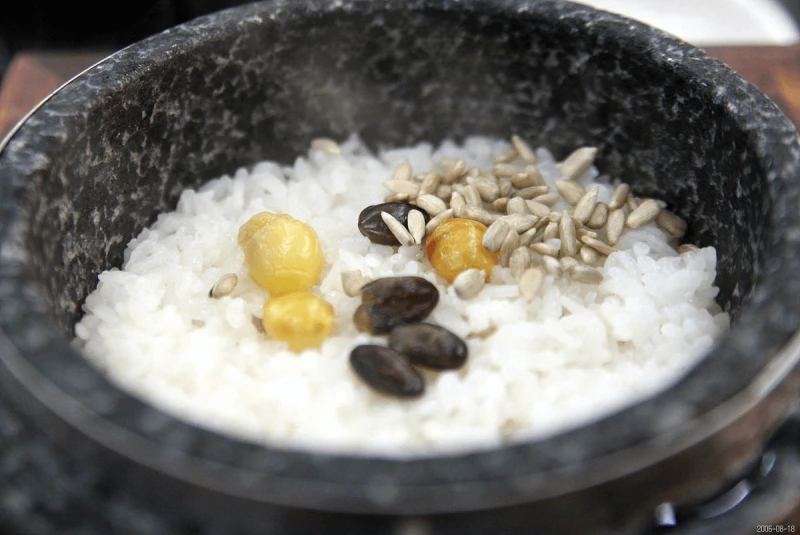
As sea levels rise as a result of climate change, more and more places around the world are struggling with seawater inundation — where salt water from the sea is flooding further inland and destroying crops which can’t cope with the increased salinity.
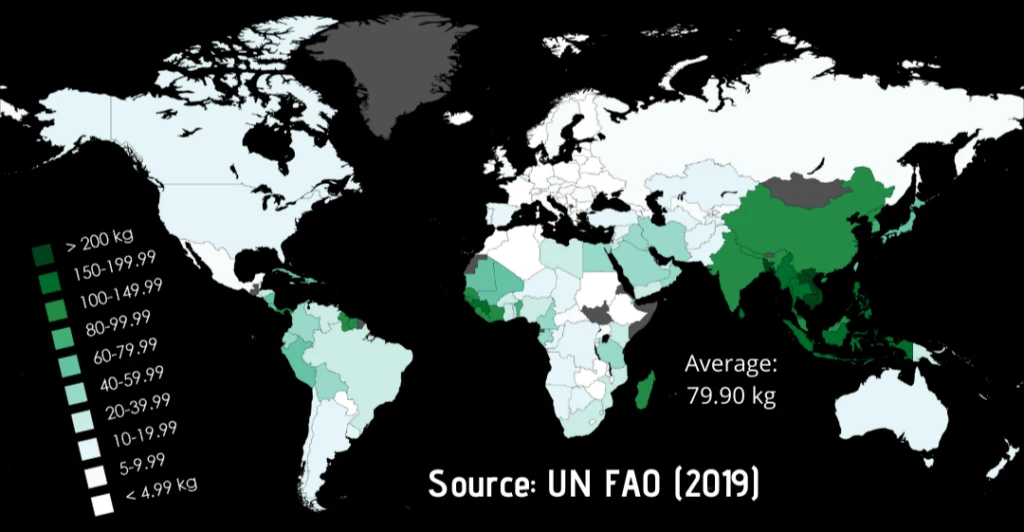
Rice is one of the worst affected crops — the most important carbohydrate on earth, it is relied on by 3.5 billion people every day, but in countries like Vietnam it is becoming harder and harder to grow due to increasing seawater interference.
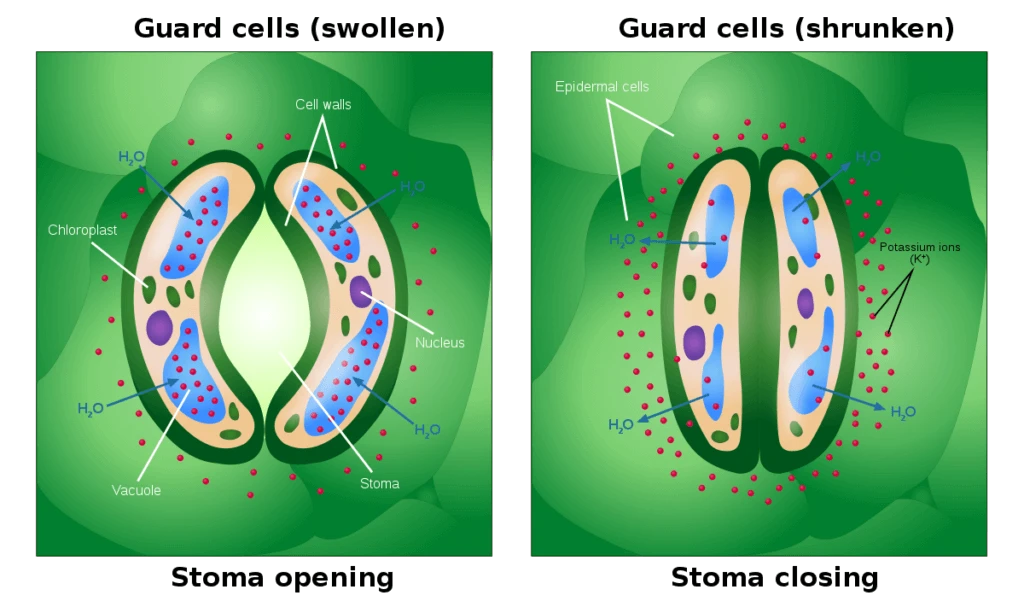
However, findings from the University of Sheffield’s Institute for Sustainable Food have revealed that genetically modifying rice to reduce the number of stomata is has — tiny openings used for water loss — makes it more salt-resistant.
Stomata are openings that most plants have which regulate carbon dioxide uptake for photosynthesis, along with the release of water vapour. Several years ago, Sheffield scientists revealed that reducing the number and size of stomata rice plants have allows them to use up to 60 per cent less water, making them hugely beneficial in places prone to drought.
Those findings, along with these new results, published in the New Phytologist, mean that rice can be adapted to survive in environments that are becoming harsher due to climate change, which will help in tackling food insecurity around the globe.
The researchers also discovered, however, that reducing the number and size of stomata could make rice harder to grow in extremely hot temperatures. As a result, to make sure that rice can grow as effectively as possible in different countries and environments, different modifications will need to be made. For example — rice with fewer, larger stomata, could be better suited to growing in extremely warm temperatures.
Dr Robert Caine, Lead Author of the study from the University of Sheffield’s School of Biosciences, said: “Rice is a hugely important food crop eaten by over half the world’s population on a daily basis. Ensuring that it can survive in harsher conditions caused by climate change will be integral to feeding a growing population that is projected to reach 10 billion in 60 years’ time.
“Our findings reveal how rice can be modified to grow as effectively as possible in different climates — varieties of rice that have less stomata can survive with less water and in places with salt water. Meanwhile, natural rice varieties with fewer, bigger stomata are able to thrive in hotter temperatures.”
The researchers from the University of Sheffield, working alongside the High Agricultural Technology Research Institute (HATRI) in Vietnam, studied 72 rice varieties, both natural and genetically modified. They are now planning to investigate whether they can make dwarf rice varieties, which produce the highest crop yields, more heat-resistant.
See the original post here

 | Videos | More... |

Video: Nuclear energy will destroy us? Global warming is an existential threat? Chemicals are massacring bees? Donate to the Green Industrial Complex!
 | Bees & Pollinators | More... |

GLP podcast: Science journalism is a mess. Here’s how to fix it

Mosquito massacre: Can we safely tackle malaria with a CRISPR gene drive?

Are we facing an ‘Insect Apocalypse’ caused by ‘intensive, industrial’ farming and agricultural chemicals? The media say yes; Science says ‘no’
 | Infographics | More... |
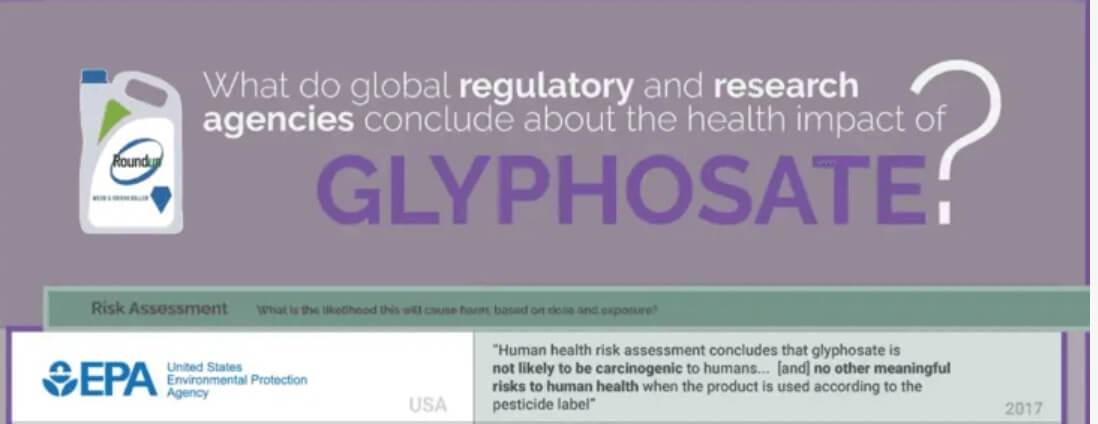
Infographic: Global regulatory and health research agencies on whether glyphosate causes cancer
 | GMO FAQs | More... |

Why is there controversy over GMO foods but not GMO drugs?

How are GMOs labeled around the world?
How does genetic engineering differ from conventional breeding?
 | GLP Profiles | More... |

Alex Jones: Right-wing conspiracy theorist stokes fear of GMOs, pesticides to sell ‘health supplements’

 Viewpoint — Fact checking MAHA mythmakers: How wellness influencers and RFK, Jr. undermine American science and health
 Viewpoint: Video — Big Solar is gobbling up productive agricultural land and hurting farmers yet providing little energy or sustainabilty gains
 Fighting deforestation with CO2: Biotechnology breakthrough creates sustainable palm oil alternative for cosmetics
 Trust issues: What happens when therapists use ChatGPT?
 California, Washington, Oregon forge immunization alliance to safeguard vaccine access against federal undermining
 30-year-old tomato line shows genetic resistance to devastating virus
 The free-range chicken dilemma: Better for birds, but with substantial costs
 ‘You have to treat the brain first’: Rethinking chronic pain with Sanjay Gupta