African scientists launch biodiversity genomics revolution

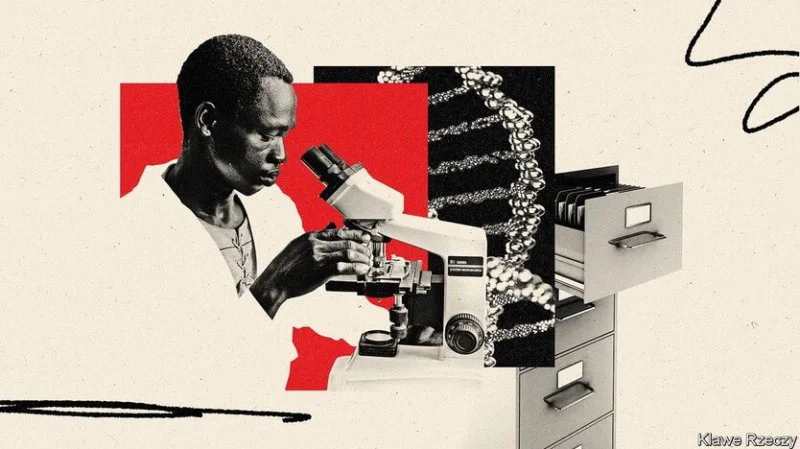
Tragically, very little is known about many these species — a dearth of knowledge that is depriving the world of innovations and solutions to pressing challenges in food, nutrition and health.
But that’s about to change. A group of African scientists — experts in genetics, genomics and bioinformatics — have set an ambitious goal to unlock the secrets of plant and animal diversity across the continent through a unique genome sequencing project.
Rich diversity, limited knowledge
The African BioGenome Project (AfricaBP), launched in 2021, seeks to sequence the genomes of 105,000 endemic plants, animals, fungi and other organisms that have economic, scientific and cultural significance.
The project, which currently involves more than 109 African scientists and 22 African organizations, will decode each organism to explore the rich biodiversity of 2,500 indigenous African species, including the Boyle’s beaked blind snake (Rhinotyphlops boylei) from southern Africa and the red mangrove tree (Rhizophora mangle) from Nigeria.
Genome sequencing will inform biodiversity conservation across Africa and strengthen the continent’s ability to meet the goals of the post-2020 global diversity framework of the Convention on Biodiversity (CBD), said Appolinaire Djikeng, a genomics scientist and director of the Center for Tropical Livestock Genetics and Health at the University of Edinburgh’s Roslin Institute. He’s one of the AfricaBP promoters.
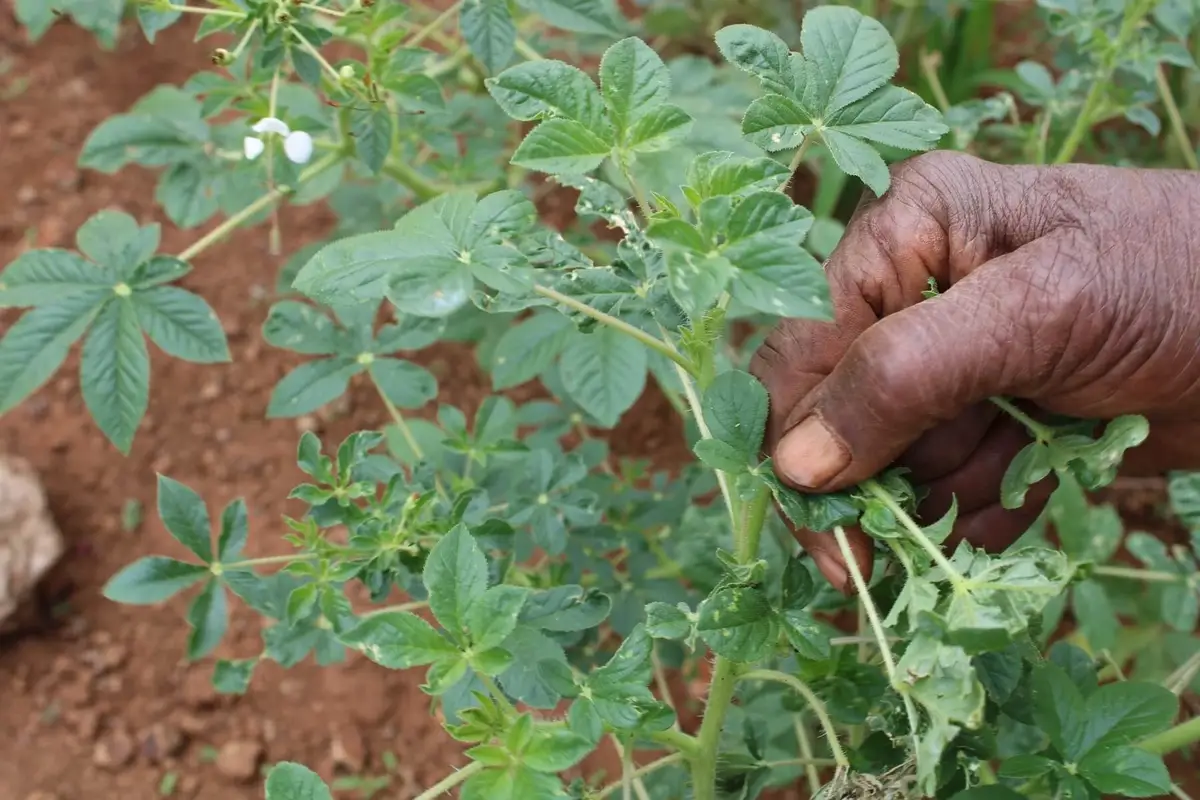
The need to understand Africa’s rich biodiversity is long overdue, says ThankGod Ebenezer, a bioinformatician at the European Bioinformatics Institute (EMBL-EBI) in the United Kingdom who is involved in the AfricaBP. To date, sequencing done in Africa by Africans has been miniscule, he said.
Africa can build capacity and expertise in genome sequencing analysis, as demonstrated by projects such as the Human Heredity and Health in Africa (H3Africa) consortium, Ebenezer said. However, Africa has lagged in sequencing its indigenous species for the benefit of its people.
The genome is the heart of any living organism, holding the codes that dictate its appearance and much of its behavior, for instance. Sequencing enables the decoding of each organism to explore biodiversity.
“The main driver here is the rich biodiversity that we have in Africa, either in the plant community or animal community and also in the microbes,” Djikeng said.
Biodiversity hotspots
Africa is home to eight of the world’s biodiversity hotspots and the Congo Basin rainforest, which alone accounts for 10 percent of the world’s biodiversity. Biodiversity hotspots are areas identified to have the most biologically rich places on earth, according to the Intergovernmental Platform on Biodiversity and Ecosystem Services (IPBES).
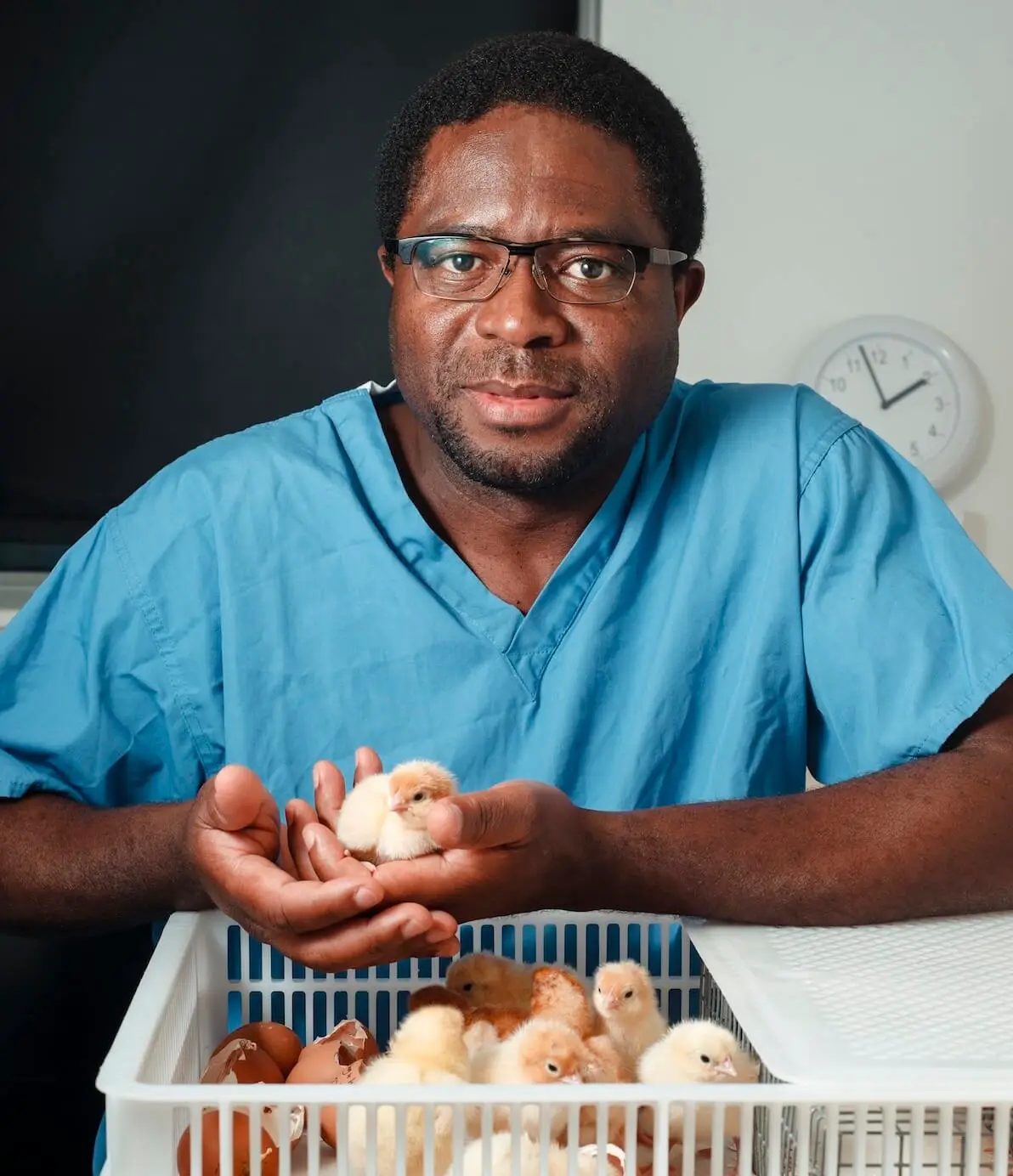
Climate change will exacerbate the effects of previous threats to biodiversity with Africa one of the regions likely to be among the most affected, according to the latest report of the Intergovernmental Panel on Climate Change (IPCC).
The project is driven by the urgency to widen access and benefit sharing of biological resources across Africa, Ebenezer said. Various international agencies and agreements share that objective.
The United Nations Nagoya Protocol on Access and Benefit-sharing advocates for the fair and equitable sharing of genetic resources, while the new Global Framework for Managing Nature through 2030 identifies safeguarding the genetic diversity of wild and domesticated species and saving at least 90 percent of their genetic diversity as one of 10 milestones.
Djikeng described the Africa Biogenome Project as a long-term ambitious vision for Africa to complete the genome sequencing of different species.
“It will not happen today or tomorrow. It’s a long-term vision but we hope that along the way we will build genomic education in Africa for us to appreciate the importance of this discipline,” Djikeng said.
The project will harness genomic information for diagnostics and accelerating plant and animal breeding, in addition to building the infrastructure and ecosystem for genomic science in Africa to benefit the local communities that are custodians of the unique species, he added.
Playing catch up
Globally, some 3,000 animal and 800 plant genomes have been sequenced. Yet only 20 of the plants are African species, even though the continent has 45,000 species of plants, second to South America. Of the 20, none were sequenced in Africa, Ebenezer noted. Similarly, only 300 of the animals are from Africa and just 11 were sequenced on the continent.
“We are not where we should be,” observed Djikeng, who has sequenced numerous genomes, including that of a pathogen that causes sleeping sickness in people and animals.
“Past genome projects have looked at plant species which are indigenous to Africa, but that sequencing was done in the USA or Europe,” Djikeng said. “We have some sequencing platforms and labs across the African continent but we have not built what comes next for the data to be analyzed within Africa. For other scientific questions to be posed and answered within Africa we still rely heavily on Europe, North America and other places to run our genomics ambition.”
“We have missed out, but recent examples show that we can catch up. If you look at COVID and Ebola, very well established genomic scientists in Africa have saved the day,” Djikeng said, citing the work of Prof. Túlio de Oliveira in South Africa, Dr. Samuel Oyola in Kenya and Prof. Christian Hapi in Nigeria. About 70 percent of Africa’s genomic sequencing capacity is concentrated in South Africa, Kenya, Nigeria, Morocco and Egypt.
A billion-dollar vision
The AfricaBP will be implemented over a decade and researchers calculate that it will require funding of about $100 million per year. It will convene 55 African researchers and policy makers from genomics, bioinformatics, biodiversity and agriculture — 11 for each of the Africa Union’s geographical region, according to a paper published in Nature in March 2022.
The $1 billion will come from governments, industry and bilateral funders, Djikeng explained. African universities already involved in genomic science are interested in the project.
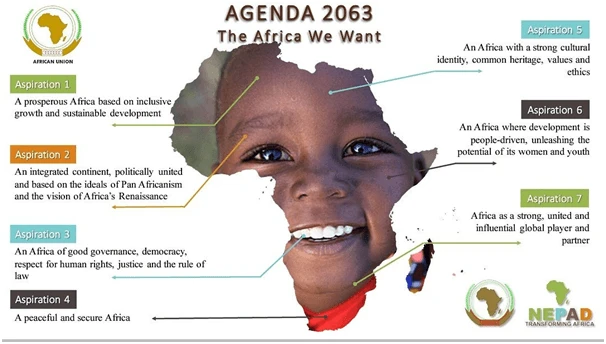
The Africa Union is also excited about the project, Djikeng said. The AU sees the project delivering on its Agenda 2063, which recognizes science, technology and innovation as the major drivers and enablers for achieving AU and member state development goals.
To further support the project, the AfricaBP Open Institute for Genomics and Bioinformatics has been created as a knowledge exchange platform for the delivery of capacity, training and for industry people who want to connect with genomics experts across Africa. The transfer of material is a key policy issue, Ebenezer noted.
Busani Bafana is a multiple award-winning correspondent based in Bulawayo, Zimbabwe with over 10 years of experience, specializing in environmental and business journalism and online reporting.
A version of this article was originally posted at the Cornell Alliance for Science and is reposted here with permission. The Cornell Alliance for Science can be found on Twitter @ScienceAlly
 | Videos | More... |
Video: Nuclear energy will destroy us? Global warming is an existential threat? Chemicals are massacring bees? Donate to the Green Industrial Complex!
 | Bees & Pollinators | More... |

GLP podcast: Science journalism is a mess. Here’s how to fix it

Mosquito massacre: Can we safely tackle malaria with a CRISPR gene drive?

Are we facing an ‘Insect Apocalypse’ caused by ‘intensive, industrial’ farming and agricultural chemicals? The media say yes; Science says ‘no’
 | Infographics | More... |
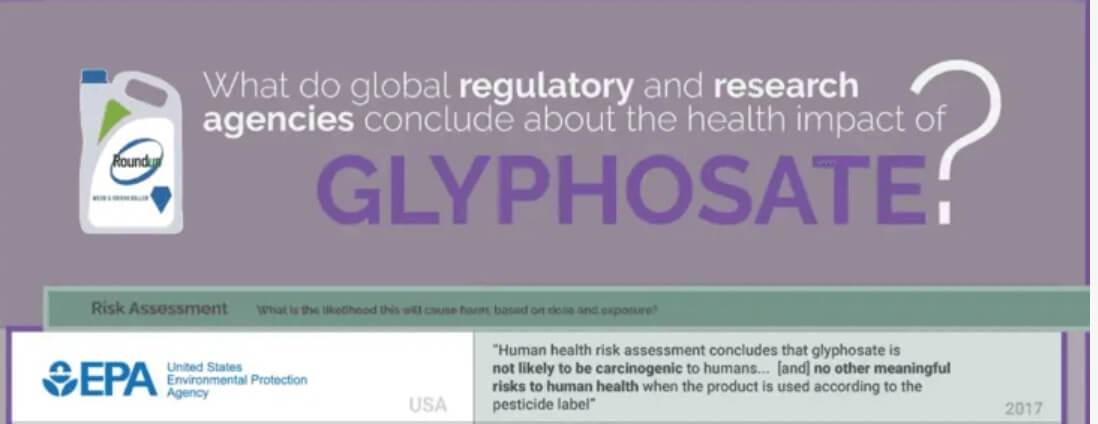
Infographic: Global regulatory and health research agencies on whether glyphosate causes cancer
 | GMO FAQs | More... |

Why is there controversy over GMO foods but not GMO drugs?

How are GMOs labeled around the world?
How does genetic engineering differ from conventional breeding?
 | GLP Profiles | More... |

Alex Jones: Right-wing conspiracy theorist stokes fear of GMOs, pesticides to sell ‘health supplements’

 Viewpoint — Fact checking MAHA mythmakers: How wellness influencers and RFK, Jr. undermine American science and health
 Viewpoint: Video — Big Solar is gobbling up productive agricultural land and hurting farmers yet providing little energy or sustainabilty gains
 Fighting deforestation with CO2: Biotechnology breakthrough creates sustainable palm oil alternative for cosmetics
 Trust issues: What happens when therapists use ChatGPT?
 California, Washington, Oregon forge immunization alliance to safeguard vaccine access against federal undermining
 30-year-old tomato line shows genetic resistance to devastating virus
 The free-range chicken dilemma: Better for birds, but with substantial costs
 ‘You have to treat the brain first’: Rethinking chronic pain with Sanjay Gupta