Anticipating the 2024 Hurricane Season: A Rice Study Investigates Potential Impacts
Anticipating the 2024 Hurricane Season: A Rice Study Investigates Potential Impacts
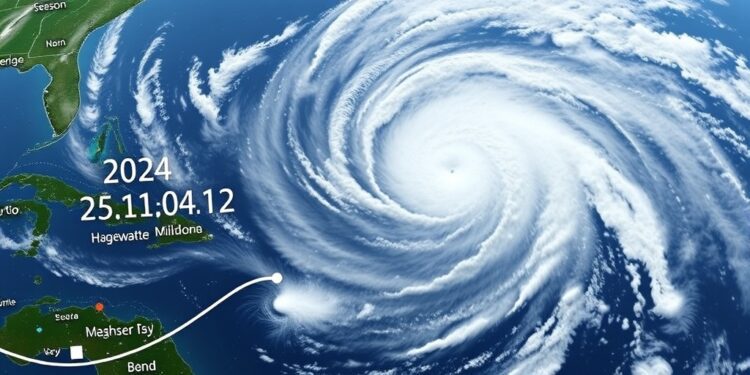
In the wake of catastrophic storms that swept through Houston during the last spring and summer, residents faced more than just the immediate chaos of power outages; they confronted a multidimensional financial crisis. A comprehensive report released by the Kinder Institute for Urban Research at Rice University highlighted the extent of this crisis, revealing that over half of Houston-area workers experienced significant income losses linked to storm-related disruptions. Such economic fallout was not solely due to property damage or utility failures, but also stemmed from the broader implications of lost wages, which exacerbated the turmoil experienced by households.
The enormity of these storms left more than 90% of Houston and Harris County residents without power for extended periods, some losing electricity for several days. This loss of power overwhelmed everyday life, upending routines and leading to severe food spoilage. An alarming statistic from the report indicates that nearly 80% of residents faced the distressing task of discarding spoiled food multiple times, an added financial burden that layered onto existing issues. For many families already living paycheck to paycheck, this was not merely a temporary inconvenience; it has sowed seeds of long-term financial instability.
Daniel Potter, director of the Houston Population Research Center at the Kinder Institute, commented on the grim revelations of the report, noting that the compounding financial effects of lost income and extensive food waste only serve to make recovery from such disasters increasingly difficult. He emphasized that, in a city where many residents already reported financial precarity—nearly half of whom previously indicated they would struggle to cover unexpected expenses—the impact of severe weather events dramatically amplifies existing vulnerabilities. The compounding nature of these crises illustrates a broader pattern of systemic inequity that places low-income families at an even greater disadvantage.
The report outlined several alarming statistics, including that about 60% of residents reported food loss estimated at approximately $500 due to the storms. This compounded economic impact is further augmented by the fact that over two-thirds of individuals surveyed indicated that their health had been negatively affected in some way, underscoring the far-reaching impacts of natural disasters on physical and mental well-being. In addition, the data revealed that approximately half of the survey respondents reported damages to their homes or property during these storms. Such damage was further exacerbated for about 14% of residents who faced vehicle damage, illustrating the cascading effects that storms can have on mobility and transportation.
While agencies like FEMA diligently track the physical damages from these storms, the Kinder Institute’s report takes an essential step toward understanding the cumulative implications of such disasters. Their work seeks to move beyond surface-level analyses and probe deeper into the lasting effects on residents’ health and financial conditions. Understanding these issues holistically is crucial for developing effective strategies for emergency preparedness and response.
Keenly aware of Texas’s vulnerability to natural disasters, officials are called to consider these findings by strategically deploying resources to communities with the greatest need. Increased attention to research on disparities among neighborhoods is vital for ensuring that future aid reaches those who may face the harshest consequences during and after such disasters. As Houston gears up for another storm season, these findings become not just data points, but urgent calls to action for local governments, policymakers, and community organizations seeking to mitigate future disasters’ impacts.
The storms’ immediate precursors may have passed, but the repercussions linger strongly, reinforcing the necessity for additional research. Any sustained analysis must take into account the diverse social and economic landscapes of neighborhoods across Houston and Harris County. Awareness of these disparities is fundamental for effective resource allocation in response to crises. The intersection of economic hardship and health challenges that arose from these storms exemplifies the complexities of disaster response and recovery in an urban context.
In summary, as communities in Houston and Harris County brace themselves for potential future weather challenges, understanding the multifaceted impacts of past storms is not only prudent but imperative. It illustrates the urgent need for inclusive preparedness strategies that are informed by collective lived experiences. The report serves as both a reminder and a warning: the ongoing threat of severe storms necessitates a proactive and informed approach to protect vulnerable populations from the cycle of disaster-induced financial hardship.
In conclusion, the findings from the Kinder Institute for Urban Research paint a stark picture of resilience challenged by natural calamities. Strengthening infrastructure, enhancing community support, and addressing underlying economic inequities are essential for fostering a robust defense against future storms. Indeed, investing in comprehensive disaster preparedness and recovery strategies today may prove pivotal in safeguarding the economic and health stability of Houston’s residents in the years to come.
—
Subject of Research: Impact of storms on Houston-area residents
Article Title: 2024 Storm Impacts and Harris County: A Descriptive Overview
News Publication Date: 13-Mar-2025
Web References: https://kinder.rice.edu/research/2024-storm-impacts-houston-and-harris-county-descriptive-overview
References: None
Image Credits: None
Keywords: Houston, storms, financial impacts, community resilience, disaster recovery, economic hardship, health implications, emergency preparedness, urban populations.
SETI Institute Unveils Winner of Beyond Silos STEAM Education Residency Program
Next PostInvesting in Prevention: A Single Dollar Spent on ACL Injury Prevention Outweighs Seven Dollars on Treatment
Related Posts

Pensoft to Co-Publish Problems of Dental Medicine in Partnership with Faculty of Dental Medicine, Medical University Sofia
Adolescent ADHD Impacts Adult Income Indirectly via Education and Mental Health
Johns Hopkins Researchers Develop Innovative Techniques for Creating Smaller Microchips
Major Study Finds Family-Based Intervention Programs Fall Short in Preventing Childhood Obesity
As Farm Jobs Decline, Food Industry Employment Remains Stable