Better than obesity drugs? Here’s how this flowering shrub can naturally block fat absorption

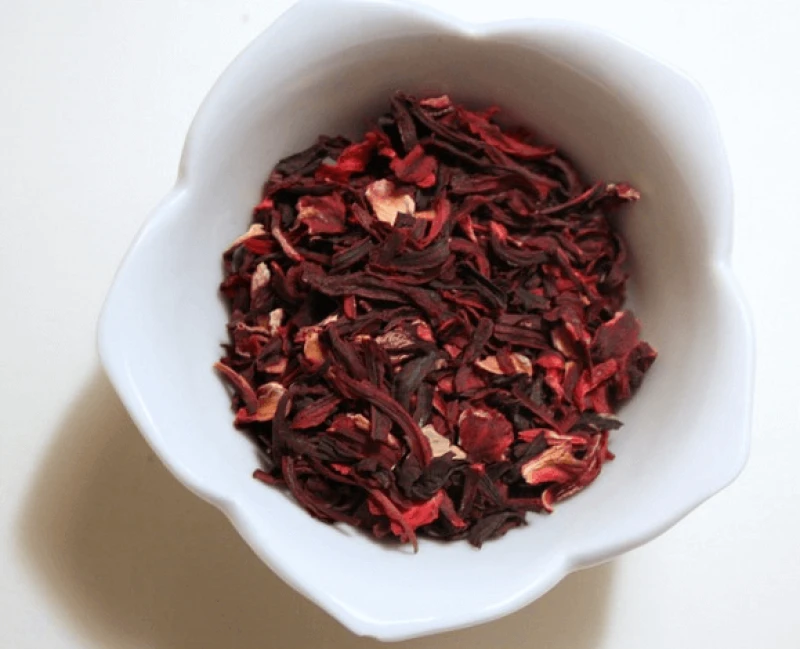
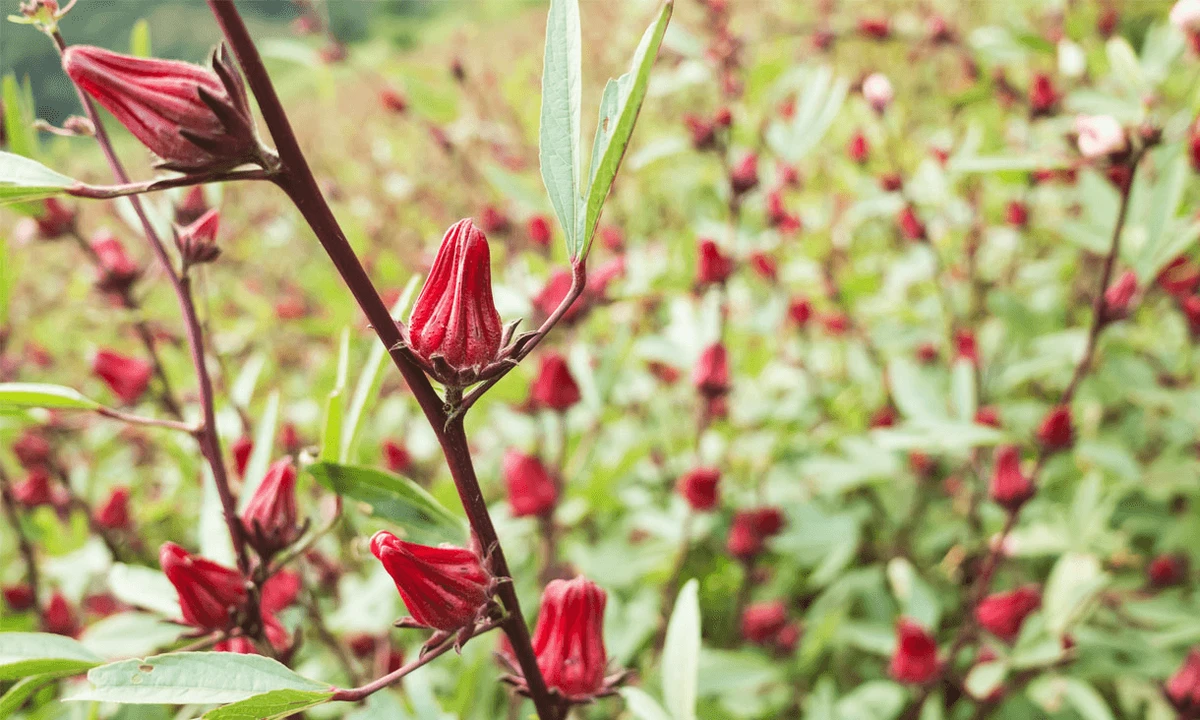
The RMIT study, led by PhD candidate Manisha Singh, investigated how antioxidant compounds (phenolic extracts) and organic acid (hydroxycitric acid) found in the Hibiscus Sabdariffa could inhibit the formation of fat cells.
When the body has an excess of fat intake, fat can be deposited in the cell, which turns them into fat cells called adipocytes.
Adipocytes are vital for regulating the body’s energy and sugar levels. However, when energy intake exceeds expenditure, it can cause the fat cells to grow in both size and number, contributing to obesity.
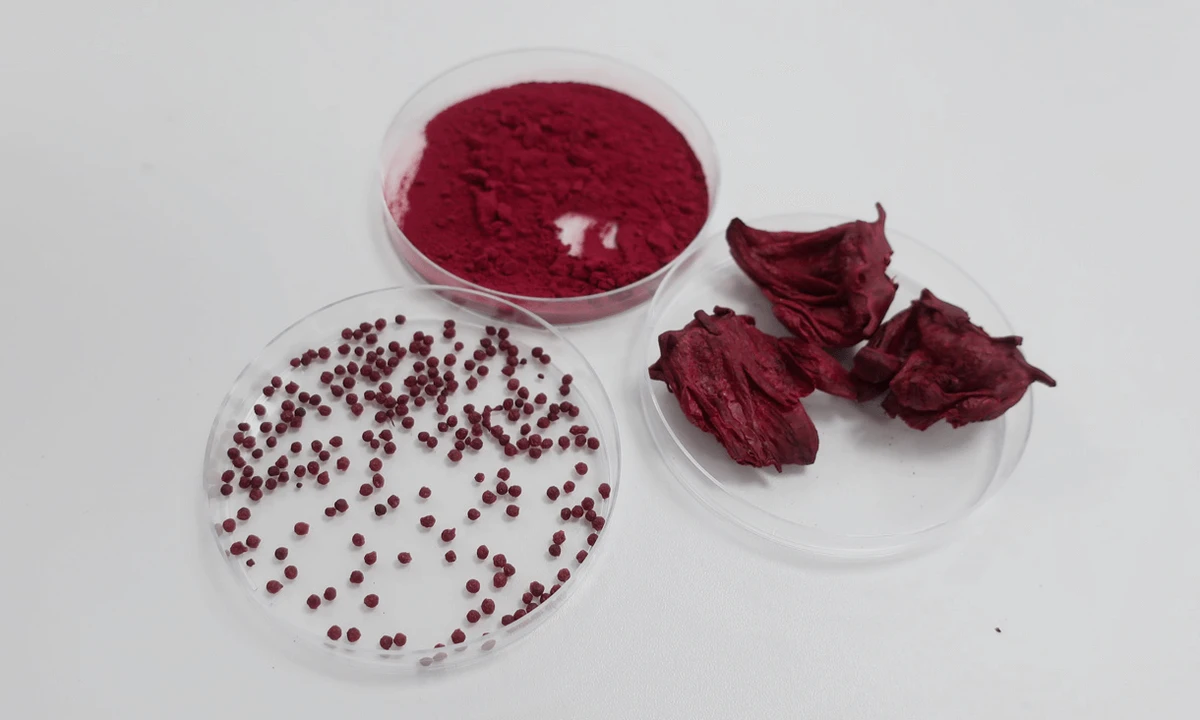
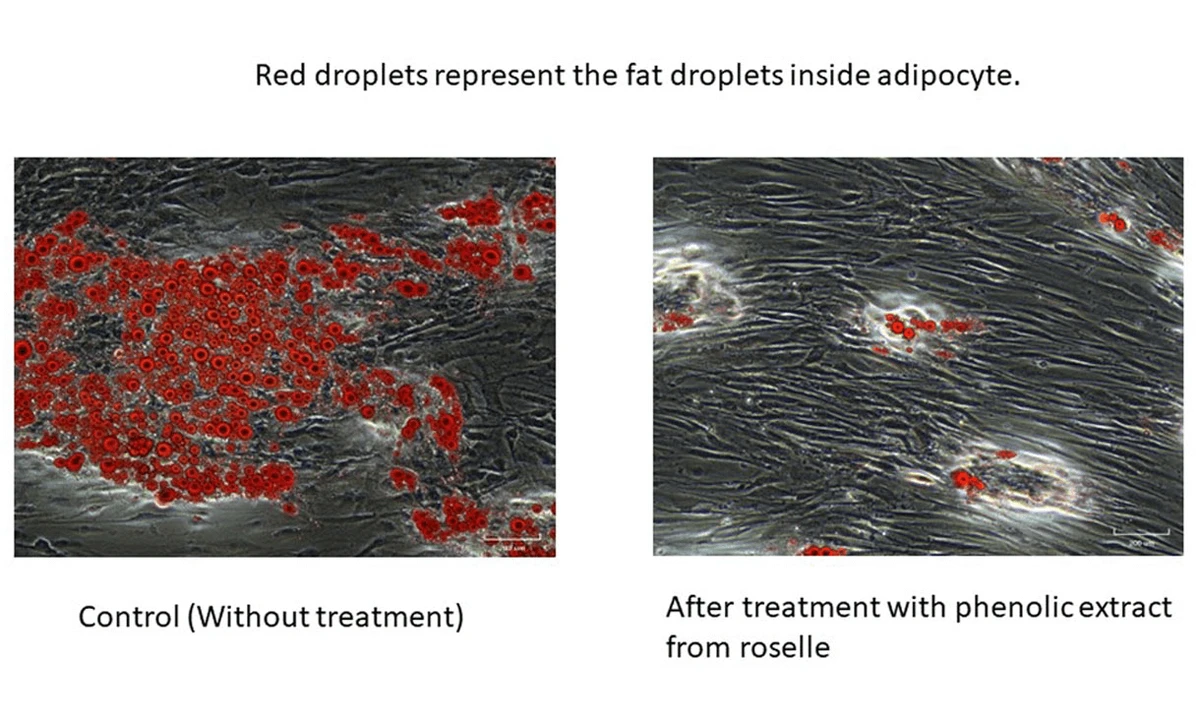
Human stem cells were separately treated with phenolic extracts and hydroxycitric acid before they were turned into fat cells.
While cells treated with hydroxycitric acid showed no change in the fat content of the adipocytes, cells treated with phenolic extracts had 95% less fat as compared to control cells.
Singh’s research is the first of its kind to use human fat cells to test the impacts of phenolic extracts and hydroxycitric acid from roselle.
Singh’s PhD supervisor Professor Benu Adhikari, from RMIT’s Food Research and Innovation Centre, said the results of the study could impact how we approach obesity management.
Current methods of obesity management focus on lifestyle changes and medication.
While medication is effective, they can also have negative side effects such as high blood pressure or impact the kidney and liver.
“The phenolic extracts from the roselle could help create a health food product that is effective in interfering with the formation of fat cells, but also bypass the bad side effects of some medications,” Adhikari said.
A natural enzyme blocker
Senior Lecturer Dr Thilini Thrimawithana, from the School of Health and Biomedical Sciences, said there is a growing interest in researching how antioxidant-rich compounds, called polyphenols, could one day help manage diseases like obesity to avoid side effects of medications such as Orlistat and Liraglutide.
Polyphenols are found in food sources such as vegetables and fruits. When consumed, antioxidants remove the oxidation that forms in our bodies, which can help slow down aging and prevent diseases.
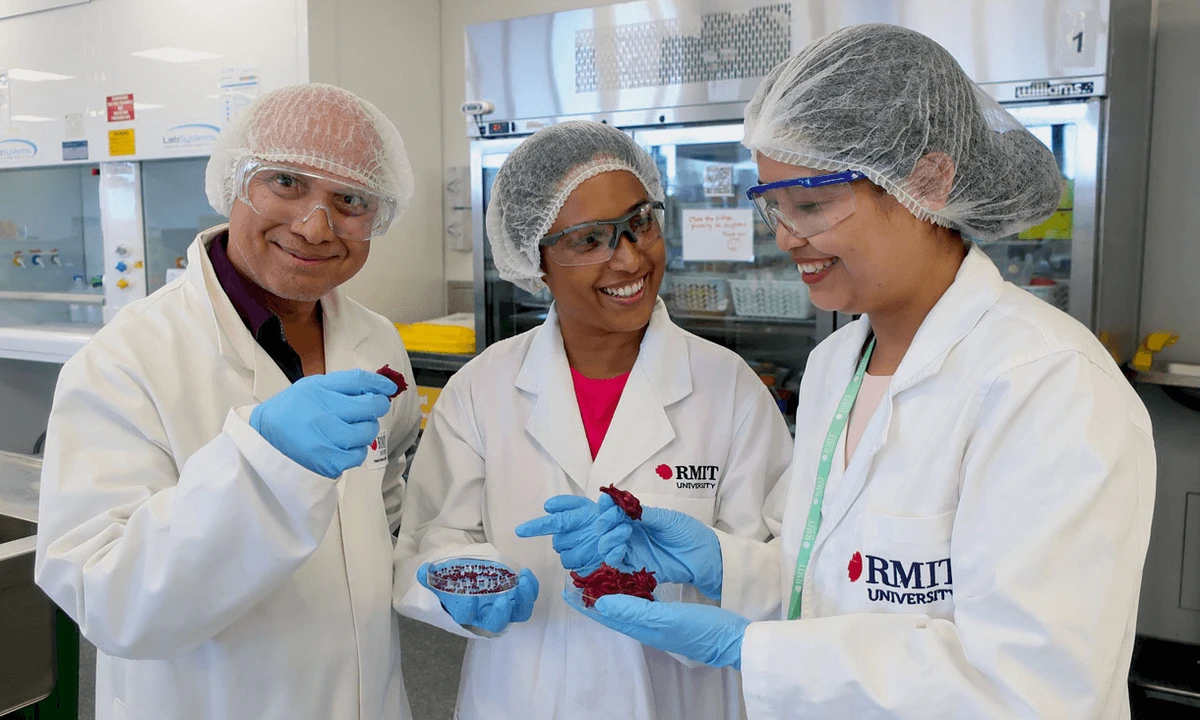
Singh’s research also found polyphenols in the roselle had similar digestive enzyme-inhibiting properties as some obesity management medications.
The polyphenols inhibit the digestive enzyme called lipase. This enzyme helps break down fats into small fractions so they are absorbed by the body through the intestine. The excess fats are turned into fat cells.
By inhibiting the lipase enzyme, the fat cannot be absorbed so it is passed through the colon as waste.
“Because these polyphenolic compounds are plant-derived and can be consumed, there should be fewer or no side effects,” Singh said.
Next steps
Adhikari, a leading food researcher whose interest began as a farmer back in Nepal, predicts the roselle will play a bigger role in Australia’s health food industry.
“Australia has the perfect climate for farming the roselle. The plant is hardy, disease resistant and it doesn’t need a lot of space or water to grow,” he said.
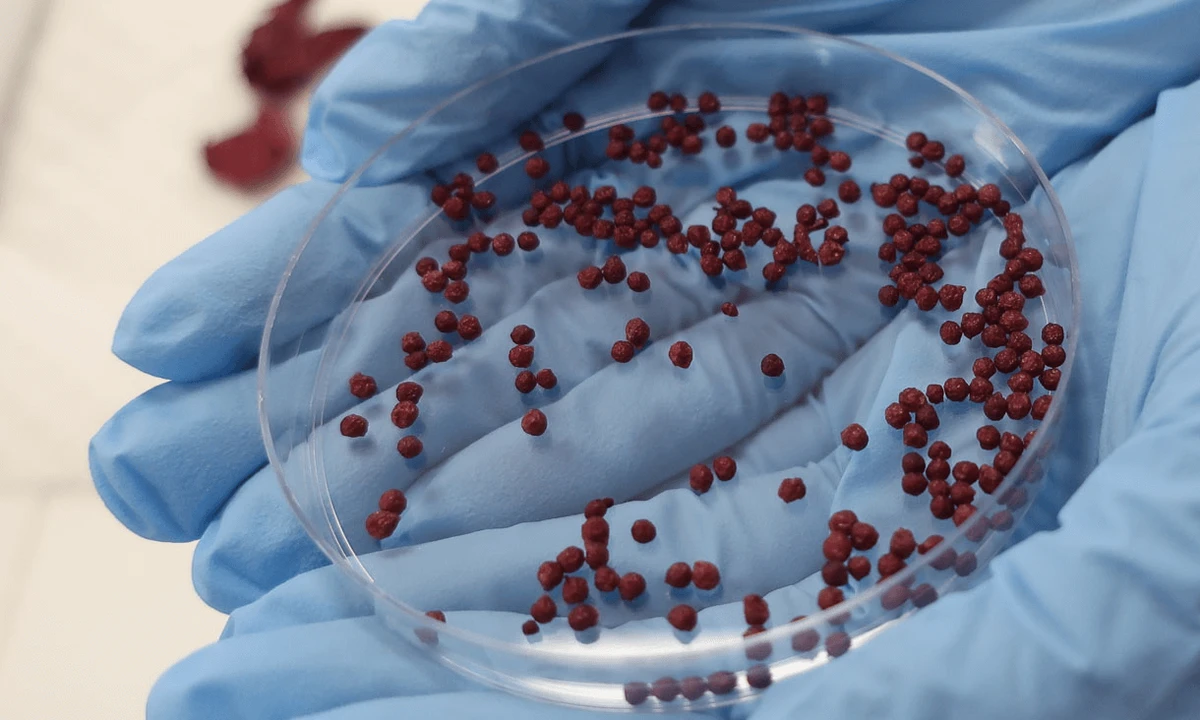
The team plans to encapsulate the phenolic extracts for use in health food products. They say the extracts could be turned into little beads and used to make a refreshing drink.
“Phenolic extracts oxidise easily, so not only does encapsulation extend its shelf life, but it lets us control how they are released and absorbed by the body,” Adhikari said.
“If we don’t encapsulate the extract, it could break down in the stomach before we can reap its benefits.”
Read the original post here
 | Videos | More... |

Video: Nuclear energy will destroy us? Global warming is an existential threat? Chemicals are massacring bees? Donate to the Green Industrial Complex!
 | Bees & Pollinators | More... |

GLP podcast: Science journalism is a mess. Here’s how to fix it

Mosquito massacre: Can we safely tackle malaria with a CRISPR gene drive?

Are we facing an ‘Insect Apocalypse’ caused by ‘intensive, industrial’ farming and agricultural chemicals? The media say yes; Science says ‘no’
 | Infographics | More... |
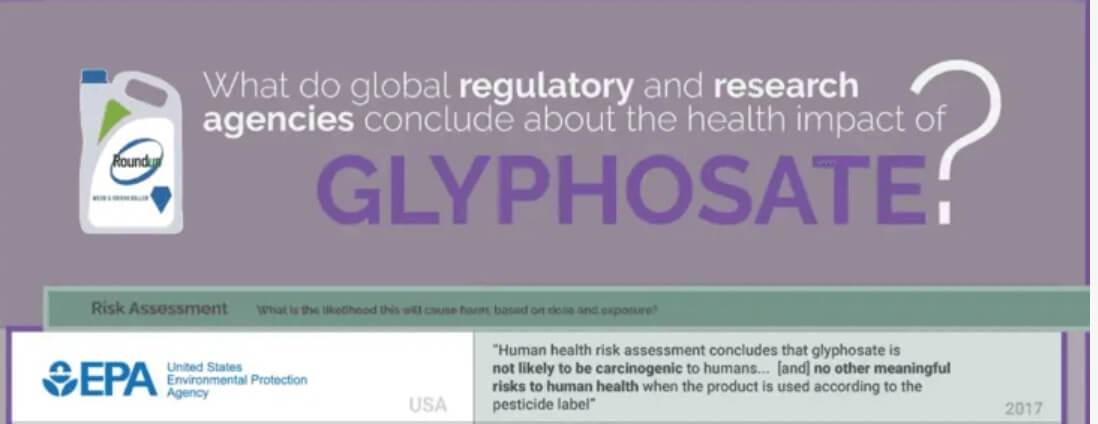
Infographic: Global regulatory and health research agencies on whether glyphosate causes cancer
 | GMO FAQs | More... |

Why is there controversy over GMO foods but not GMO drugs?

How are GMOs labeled around the world?

How does genetic engineering differ from conventional breeding?
 | GLP Profiles | More... |

Alex Jones: Right-wing conspiracy theorist stokes fear of GMOs, pesticides to sell ‘health supplements’

 Viewpoint — Fact checking MAHA mythmakers: How wellness influencers and RFK, Jr. undermine American science and health
 Viewpoint: Video — Big Solar is gobbling up productive agricultural land and hurting farmers yet providing little energy or sustainabilty gains
 Fighting deforestation with CO2: Biotechnology breakthrough creates sustainable palm oil alternative for cosmetics
 Trust issues: What happens when therapists use ChatGPT?
 California, Washington, Oregon forge immunization alliance to safeguard vaccine access against federal undermining
 30-year-old tomato line shows genetic resistance to devastating virus
 The free-range chicken dilemma: Better for birds, but with substantial costs
 ‘You have to treat the brain first’: Rethinking chronic pain with Sanjay Gupta