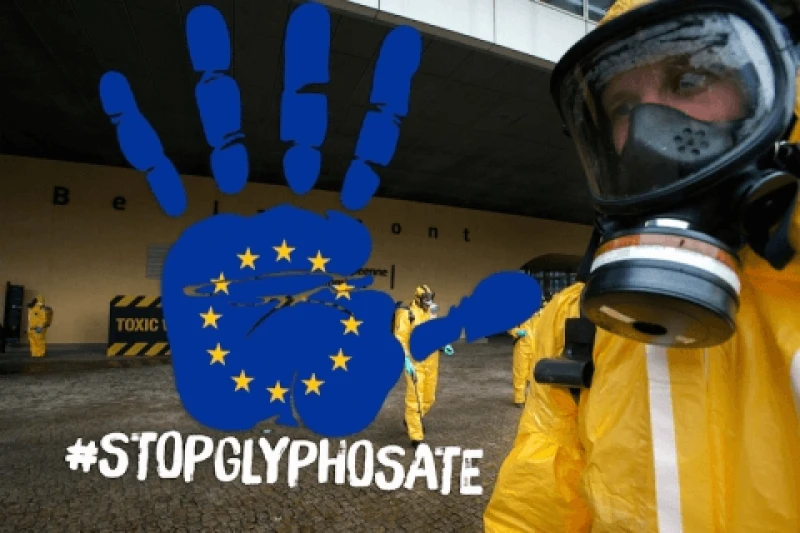
Withdrawal of glyphosate would result in an increase in soil tillage, damaging the environment through soil structure degradation, increased risk of soil erosion, reduced soil biodiversity, and increased greenhouse gas emissions of 1.4–3.8 Mt CO2e per year across the EU through oxidation of organic matter. Increased machinery usage would require 15–44 L more fuel per hectare. Alternative weed control strategies are both less effective and more costly, often requiring additional labour at times of peak demand. They are also less effective at providing lasting control across a broad range of species and are inapplicable to conservation tillage practices.














 Viewpoint — Fact checking MAHA mythmakers: How wellness influencers and RFK, Jr. undermine American science and health
 Viewpoint: Video — Big Solar is gobbling up productive agricultural land and hurting farmers yet providing little energy or sustainabilty gains
 Fighting deforestation with CO2: Biotechnology breakthrough creates sustainable palm oil alternative for cosmetics
 Trust issues: What happens when therapists use ChatGPT?
 California, Washington, Oregon forge immunization alliance to safeguard vaccine access against federal undermining
 30-year-old tomato line shows genetic resistance to devastating virus
 The free-range chicken dilemma: Better for birds, but with substantial costs
 ‘You have to treat the brain first’: Rethinking chronic pain with Sanjay Gupta