
Colombian conflict survivors turn forest heroes in search of climate change solutions | UN News
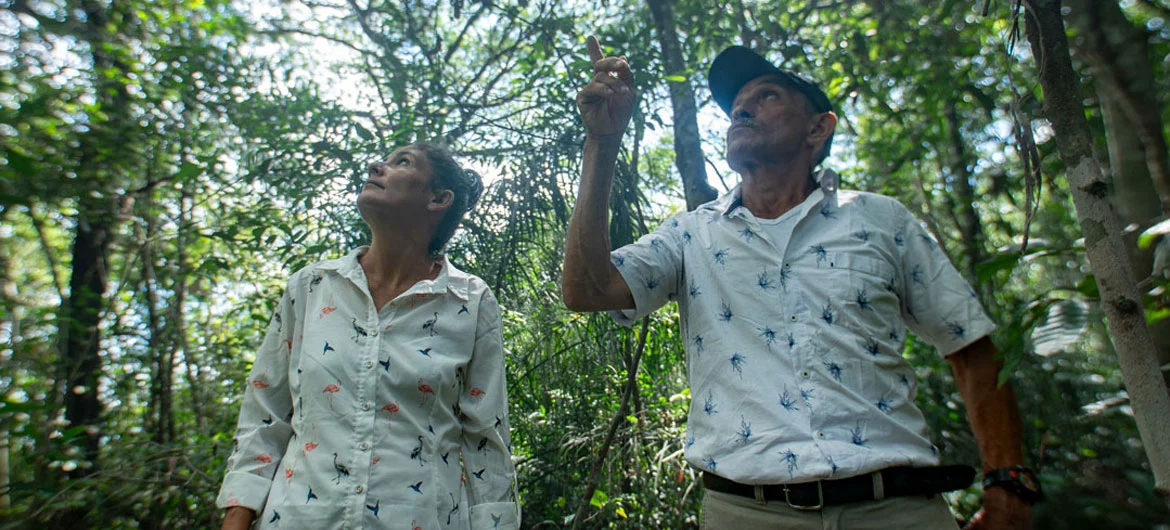
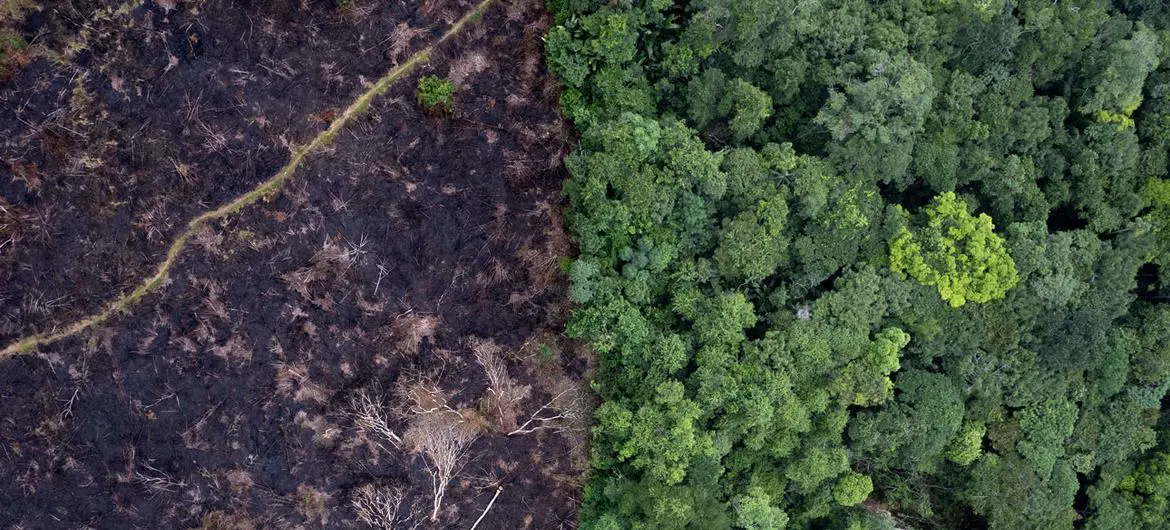
"What do I want the river to carry away? The deforestation," Sandra Donado says, her voice competing with the sudden storm lashing her canoe as it floats down the Guaviare River in Colombia’s Amazon biome region.
Led by the UN’s Food and Agriculture Organization (FAO), Vision Amazonia promotes conservation and sustainable land management in rapid deforestation areas like Mapiripán.

‘We, the community’
In coordination with the Colombian government and local communities, the FAO project which runs until the end of 2026, protects the Amazon biome through forest monitoring and sustainable management practices, benefitting smallholders, farmer associations and local authorities alike.
“We, the community, are already aware of the problem caused by climate change. Now when we go out into the field to do work, the sun is so strong that we cannot resist the heat anymore. We have truly begun to develop an awareness of the need for preservation of these beautiful ecosystems that we have in the territory,” says Marco.
“If the forest thrives and we thrive, the animals thrive,” Sandra adds.
"With this project," explains Sandra Vanegas, FAO local markets coordinator, "we are ensuring forest conservation while families generate resources through associative projects.
“We are promoting agroforestry gardens where they can produce for their own consumption and conserve seeds and endemic plants."
Indeed, Marco and Sandra's communities have now gained a deep understanding of agroforestry, a sustainable land use practice that combines agriculture and forestry. Through educational visits, they've witnessed firsthand how to revitalize their soils with organic fertilizer and grow their own food.
Marco recounts a gradual awakening regarding their livestock. "We didn’t know at the time," he admits, "that we didn’t need a huge extension of pastures for our cows to have good nourishment."
The initiative, he says, opened their eyes through a series of training sessions. Now they have started to implement silvopastoral systems by planting trees on their family farms.
"They gave us a broader perspective, helping us realize the damage and consequences of continued deforestation. That's when we, as leaders, took a stronger stance to protect the forest."
This newfound awareness led them to form the AGROCIARE association to pursue sustainable projects. For instance, they have been actively working to plant and commercialize the cacay tree, a native Amazonian species known for its nutritious fruit.
With training in legal and organizational skills, they've strengthened their association's capacity to advocate for environmental protection and better livelihoods.
"Our vision is to ensure that the treasure of our environment and rainforest is protected by those of us who live here," Marco declares.
By working with the rural communities, the programme is finding climate solutions that are effective, equitable and offer a different future for the Amazon.
Agrifood systems solutions are climate, biodiversity and land solutions
This story is part of a three-part series from FAO on climate, biodiversity and land solutions in Colombia. These stories take you from the arid landscapes of La Guajira, where the SCALA programme is supporting climate resilience and food security, to the Pacific coast, where a Global Environmental Facility-supported project is working to conserve rich biodiversity while also contributing to the pursuit of peace.

