CRISPR crops: Can carbon-sucking gene edited crops help address climate change? Jennifer Doudna thinks so

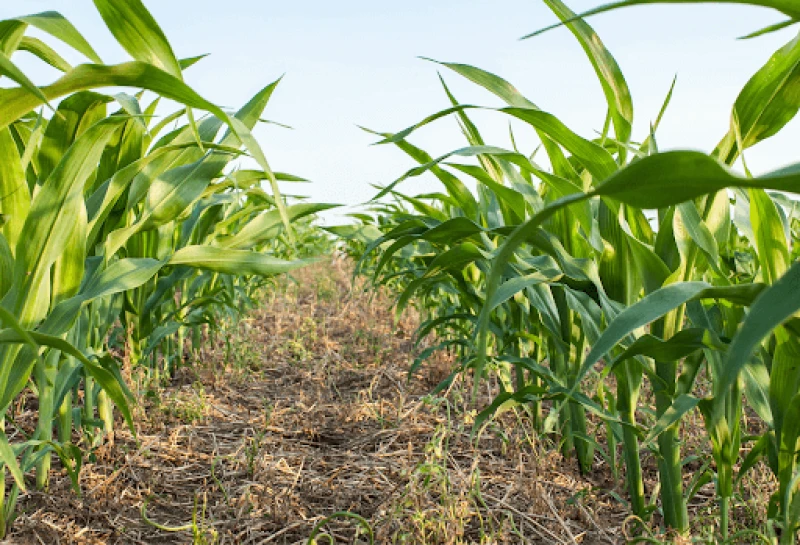

The Innovative Genomics Institute (IGI), a research group in Berkeley, California, founded by CRISPR co-inventor Jennifer Doudna, has announced a new program to use the revolutionary gene-editing tool on plants to boost their aptitude for carbon storage. The initial program will last three years and is funded by an $11 million grant from Mark Zuckerberg and Priscilla Chan’s foundation.
…
While many people associate carbon capture with trees, the IGI research is focusing on agricultural crops. The decision is mainly a matter of timing, says Brad Ringeisen, executive director of IGI. Trees may have long lifetimes that allow them to lock away carbon for decades or even centuries, but most crops grow faster, allowing researchers to speed up the testing process.
Most of the IGI’s initial research on photosynthesis and root systems will focus on rice, Ringeisen says. At the same time, the institute will also work on developing better gene-editing techniques for sorghum, a staple crop that has been particularly tough for researchers to crack. The team hopes to eventually understand and potentially alter soil microbes as well.
“This is not easy, but we’re embracing the complexity,” Ringeisen says. Ultimately, he hopes that when it comes to climate change, “plants and microbes and agriculture can actually be part of the solution, rather than part of the problem.”
This is an excerpt. Read the original post here
 | Videos | More... |

Video: Nuclear energy will destroy us? Global warming is an existential threat? Chemicals are massacring bees? Donate to the Green Industrial Complex!
 | Bees & Pollinators | More... |

GLP podcast: Science journalism is a mess. Here’s how to fix it

Mosquito massacre: Can we safely tackle malaria with a CRISPR gene drive?

Are we facing an ‘Insect Apocalypse’ caused by ‘intensive, industrial’ farming and agricultural chemicals? The media say yes; Science says ‘no’
 | Infographics | More... |
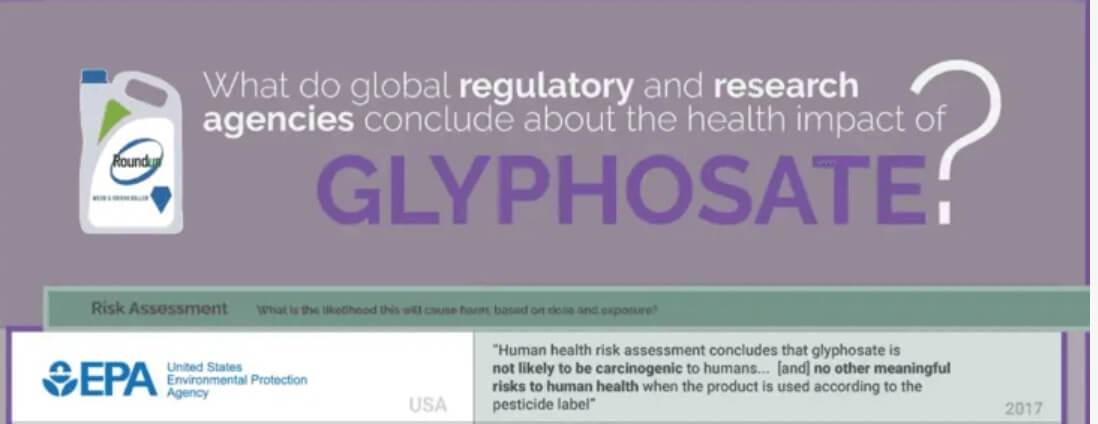
Infographic: Global regulatory and health research agencies on whether glyphosate causes cancer
 | GMO FAQs | More... |

Why is there controversy over GMO foods but not GMO drugs?

How are GMOs labeled around the world?
How does genetic engineering differ from conventional breeding?
 | GLP Profiles | More... |

Alex Jones: Right-wing conspiracy theorist stokes fear of GMOs, pesticides to sell ‘health supplements’

 Viewpoint — Fact checking MAHA mythmakers: How wellness influencers and RFK, Jr. undermine American science and health
 Viewpoint: Video — Big Solar is gobbling up productive agricultural land and hurting farmers yet providing little energy or sustainabilty gains
 Fighting deforestation with CO2: Biotechnology breakthrough creates sustainable palm oil alternative for cosmetics
 Trust issues: What happens when therapists use ChatGPT?
 California, Washington, Oregon forge immunization alliance to safeguard vaccine access against federal undermining
 30-year-old tomato line shows genetic resistance to devastating virus
 The free-range chicken dilemma: Better for birds, but with substantial costs
 ‘You have to treat the brain first’: Rethinking chronic pain with Sanjay Gupta