Do conventional crops reduce biodiversity as advocacy groups claim? Is modern plant breeding necessary? Examining populist views on modern agriculture

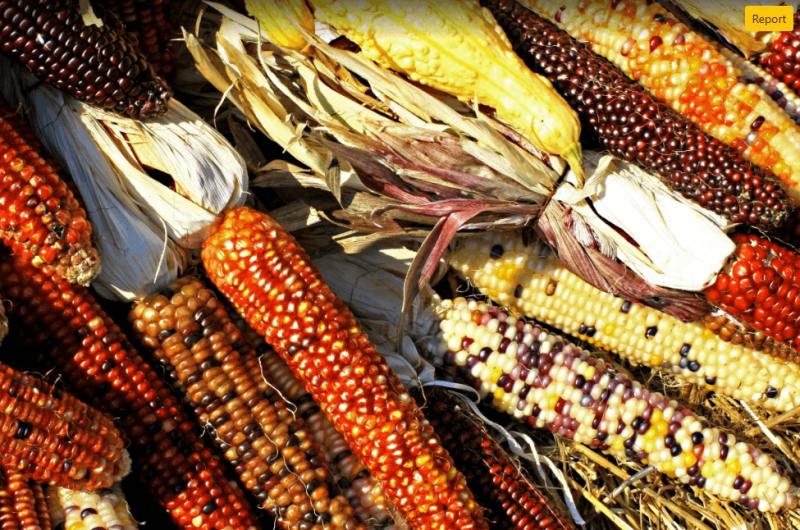
Myth: Modern varieties have decreased the diversity within crops
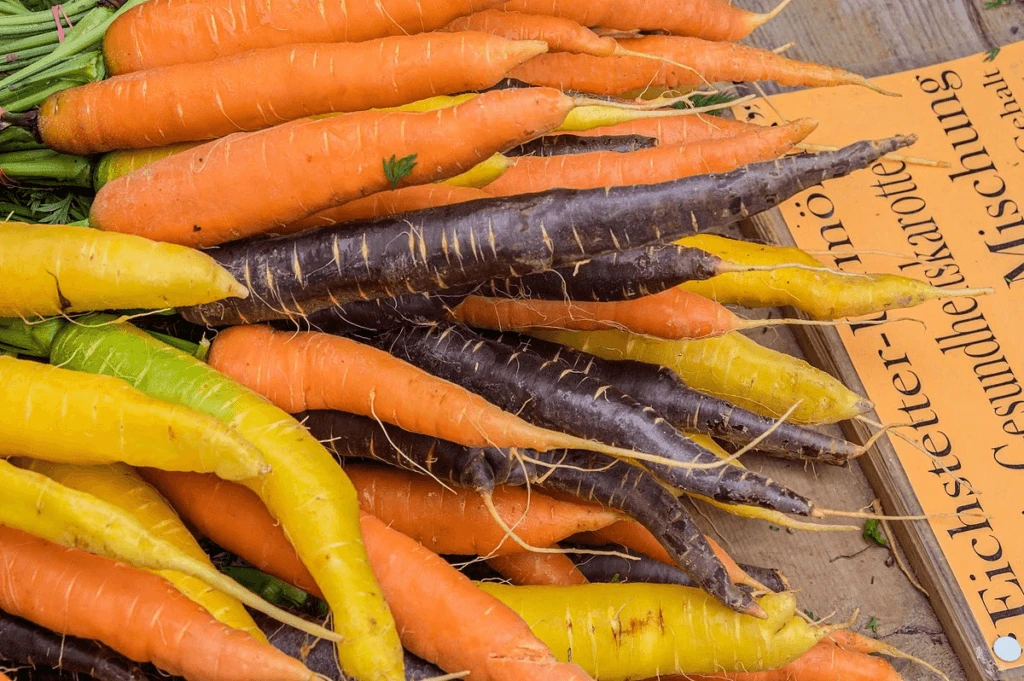
Fact: It depends on what you measure. If one decides to look at the number landraces at a country level, then one can see a decrease. But this is not the right way to measure diversity. There are several developments which lead to a greater diversity within crops. One is that pathogens keep mutating, breaking through genetic resistances. So, breeders need to include more and more diverse resistance genes. This is combined with always changing wishes of consumers towards a more diverse palate. Just look at the diversity in cherry tomatoes in your local supermarket for example. We can now find a lot of different varieties, from yellow, orange, red, brown and purple, to round and elliptic varieties. Or look at carrots: we now see not only orange carrots, but also white, yellow, red and purple varieties. This was not the case a few decades ago.
Many recent studies, using DNA markers, show the same: a comparison of the main varieties of the past 50 to 60 years shows that genetic diversity was quantitatively unchanged and even showing more diversity among modern varieties. This increase was found in many crops. The successful incorporation and re-mixing of genetic diversity from crop relatives has created varieties containing more variation than has ever been available to farmers.
Myth: Contemporary plant varieties are not suitable for low-input farming
Fact: Most scientific studies, both in developed and developing nations, demonstrate that this is untrue. In fact, because they utilise nitrogen more effectively than their forebears, modern varieties generally outperformed local kinds. Additionally, they are more disease resistant. The benefits of modern varieties are not linked to any certain application or subject. Instead, they represent ongoing efforts in breeding for traits like drought tolerance, superior farming techniques, and resistance to disease and pests, just to name a few. Scientists have significantly contributed to the appeal, accessibility, and benefits of contemporary crop technology for farmers and consumers worldwide by lowering the volatility in maize and wheat grain yields.
Myth: We don’t need plant breeding, improving agricultural practices is enough
Fact: With an increasing population, climatic change, a changing diet and a strong push towards more sustainability, we will need to produce more on less acreage. We know that yield increase is broadly based on two components: genetic improvement (better varieties) and agronomic improvement (fertilizer, crop protection products, machinery, cold chain etc.). Several research projects have shown that up to a certain optimum level the agronomic improvements can contribute to about 50 per cent of the yield increase, with the other half caused by genetic improvement. But at a certain point the optimum for agronomic improvements is reached and adding more fertilizer or crop protection products would work counterproductive. From that point onwards, the genetic improvements will be more and more important in causing a yield increase and other improvements.
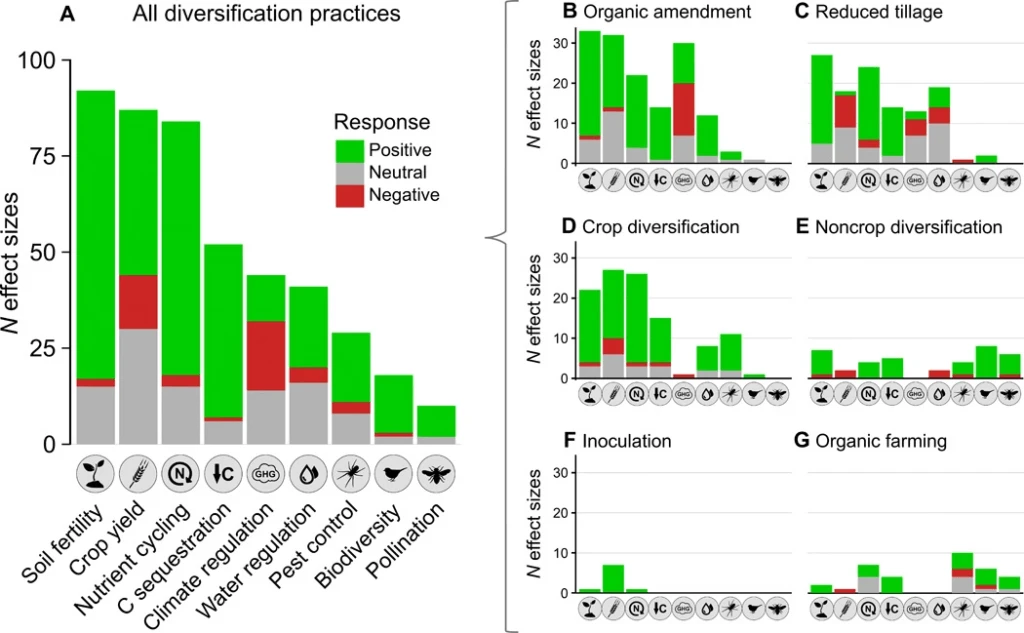
A NIAB study from 2008 looked at yield for wheat, barley, oats in the past six decades. They examined the yield data of 300 varieties, from 3,600 trials, and collected 53,000 data points. In the period from 1947-1986 around 50 per cent of yield increase could be attributed to plant breeding. And the rest to fertilizers, crop protection products, crop husbandry and machinery. But since 1982 around 90 per cent of all yield increase was due to introduction of new varieties causing yield to rise from 5t/ha to 8t/ha.
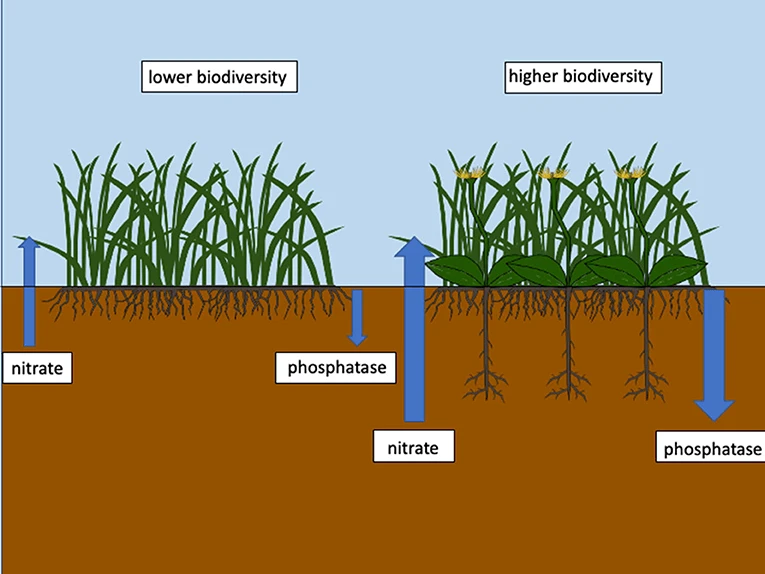
Plant breeding allows us to adapt plants and develop new plant varieties so that we can maintain and increase productivity while also improving product quality in the face of changing climatic, agricultural, and market conditions. Plant breeding has significantly contributed to reducing the environmental footprint of plant production, increasing product diversity, and improving agriculture’s economic situation.
It is critical to continue developing new varieties in order to meet farmer needs, market demands, and consumer demands. Mankind has developed fruit and vegetables with desired characteristics such as colour, shape, size, and taste by domesticating wild species. Finally, plant breeding contributes to the feeding of future generations by ensuring a sustainable, nutritious food supply. Without plant breeding, there would be no variety or quality in today’s marketplace.
Marcel Bruins passion is plant breeding. He studied plant breeding at Wageningen University, followed by a PhD on Fusarium resistance in wheat. Marcel has been managing global IP portfolios, and more specifically plant breeders’ rights. Follow Marcel on Twitter @MBruins123
A version of this article was posted at European Seed and is used here with permission. Check out European Seed on Twitter @EuropeanSeed

 | Videos | More... |
Video: Nuclear energy will destroy us? Global warming is an existential threat? Chemicals are massacring bees? Donate to the Green Industrial Complex!
 | Bees & Pollinators | More... |

GLP podcast: Science journalism is a mess. Here’s how to fix it

Mosquito massacre: Can we safely tackle malaria with a CRISPR gene drive?

Are we facing an ‘Insect Apocalypse’ caused by ‘intensive, industrial’ farming and agricultural chemicals? The media say yes; Science says ‘no’
 | Infographics | More... |

Infographic: Global regulatory and health research agencies on whether glyphosate causes cancer
 | GMO FAQs | More... |

Why is there controversy over GMO foods but not GMO drugs?

How are GMOs labeled around the world?
How does genetic engineering differ from conventional breeding?
 | GLP Profiles | More... |

Alex Jones: Right-wing conspiracy theorist stokes fear of GMOs, pesticides to sell ‘health supplements’

 Viewpoint — Fact checking MAHA mythmakers: How wellness influencers and RFK, Jr. undermine American science and health
 Viewpoint: Video — Big Solar is gobbling up productive agricultural land and hurting farmers yet providing little energy or sustainabilty gains
 Fighting deforestation with CO2: Biotechnology breakthrough creates sustainable palm oil alternative for cosmetics
 Trust issues: What happens when therapists use ChatGPT?
 California, Washington, Oregon forge immunization alliance to safeguard vaccine access against federal undermining
 30-year-old tomato line shows genetic resistance to devastating virus
 The free-range chicken dilemma: Better for birds, but with substantial costs
 ‘You have to treat the brain first’: Rethinking chronic pain with Sanjay Gupta