East African Community member states urged to harmonize policies on waste management

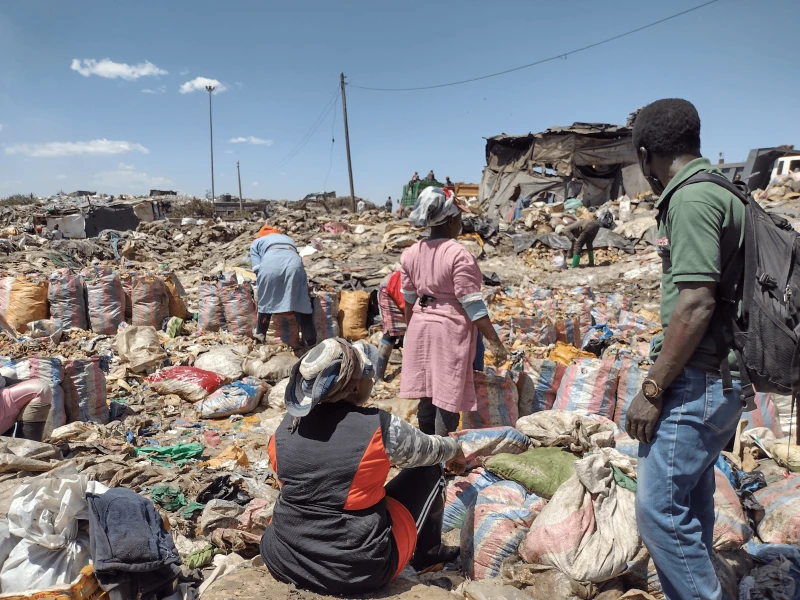
This emerged on the second day of the Africa Waste is Wealth Series (AWWS) Conference in Nairobi.
The conference was organized by the non-profit Taka Taka Ni Mali in partnership with Alliance for Science and East African Business Council (EABC).
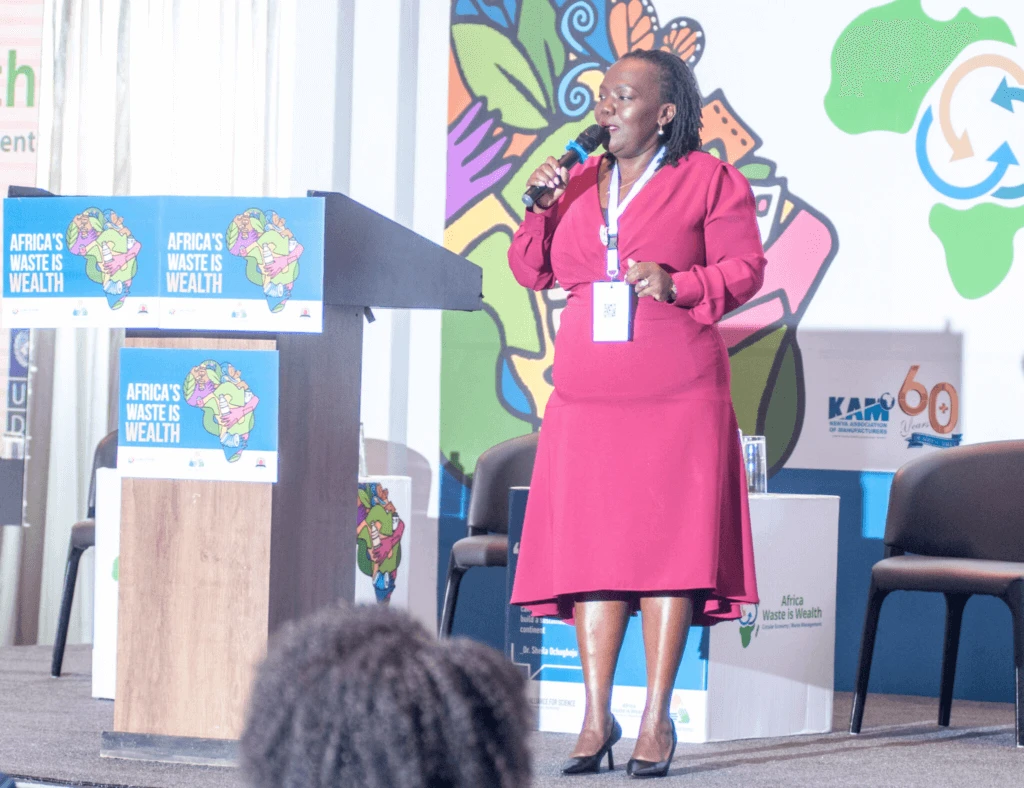
On the second day of the three-day conference that ran from June 6 to 8, 2023, Taka Taka Ni Mali patron Mary Ngechu said Africans need to adopt local solutions in terms of policy and innovations and learn from each other before they can check what the Global North is doing.
“Kenya, for example, can emulate what Uganda is doing before they adopt policies from the Global North. So, as we start where we are and with what we have, we also know where we can go and how best we can get,” Mary said.

Phyllis Wakiaga, Senior Advisor on Commerce and Industry at Tony Blair Institute for Global Change, said policies try to address six challenges in waste management.
The challenges include financial constraints and limited resources for waste management, which hinder the development of crucial infrastructure.
“Funding is a big part that policy should address. There is also an inadequate budgetary allocation for waste management, so as we discuss our finance Bills we must interrogate how much is allocated for this role,” Wakiaga said.
The other challenges are inadequate waste collection and transportation systems, including limited access to vehicles and infrastructure for waste transfer; poor sorting and collection of waste; and poor disposal methods and recycling.
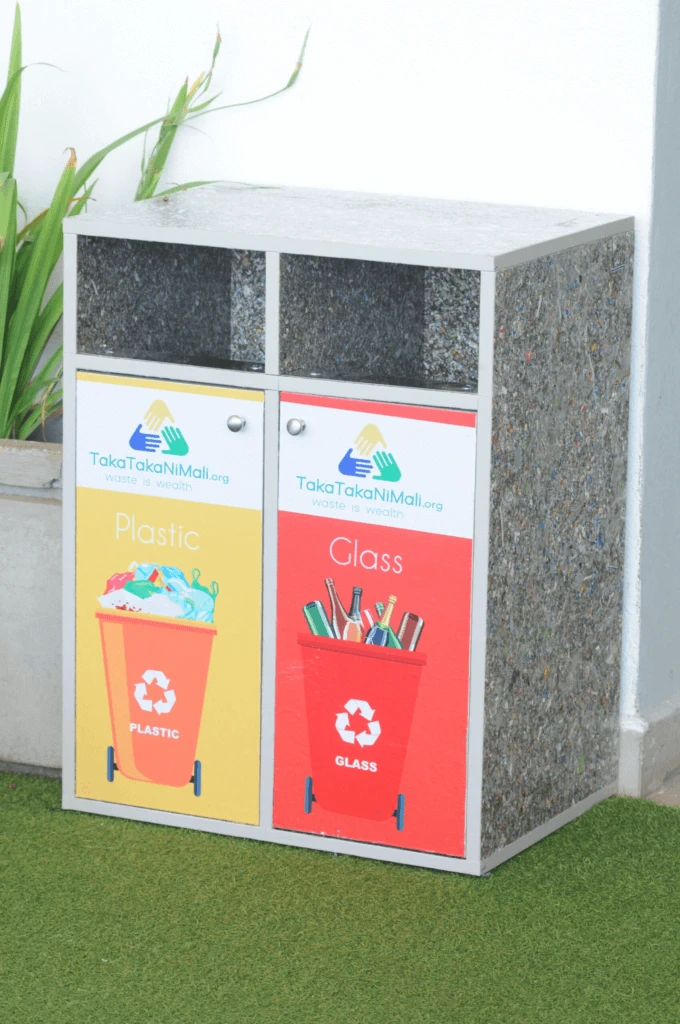
“Research has shown that East African Community (EAC) countries have solid waste in unsustainable landfills or dumpsites and what remains is thrown in inappropriate places with only a small percentage getting recycled,” she said.
“This is an area where policy can come in to set the tone on how we can have better disposal and recycling of our waste.”
The last two challenges are a lack of continuous public awareness and participation, and capacity building and training needs.
Apart from member states having their national policies on waste management, the EAC has a regional policy called the East Africa Community Waste Management Strategy and Action Plan, which focuses on waste reduction, recycling and disposal, collaboration, capacity building, and sharing of best practices.
During a panel discussion on the status of waste management policies across East Africa, Felgona Ochieng, the Corporate Social Responsibility and Sustainability Framework Lead at the Kenya Revenue Authority (KRA), said the taxman is partnering with the United Nations Environment Program (UNEP) to implement the Green Customs Initiative.
The initiative, which was launched by UNEP in 2004, is an informal partnership of international organizations cooperating to prevent illegal trade in environmentally-sensitive commodities and substances and to facilitate legal trade.
“This partnership is key because it enables us to check both local and foreign manufacturers to be aware of what comes in and what leaves the country,” Felgona said.
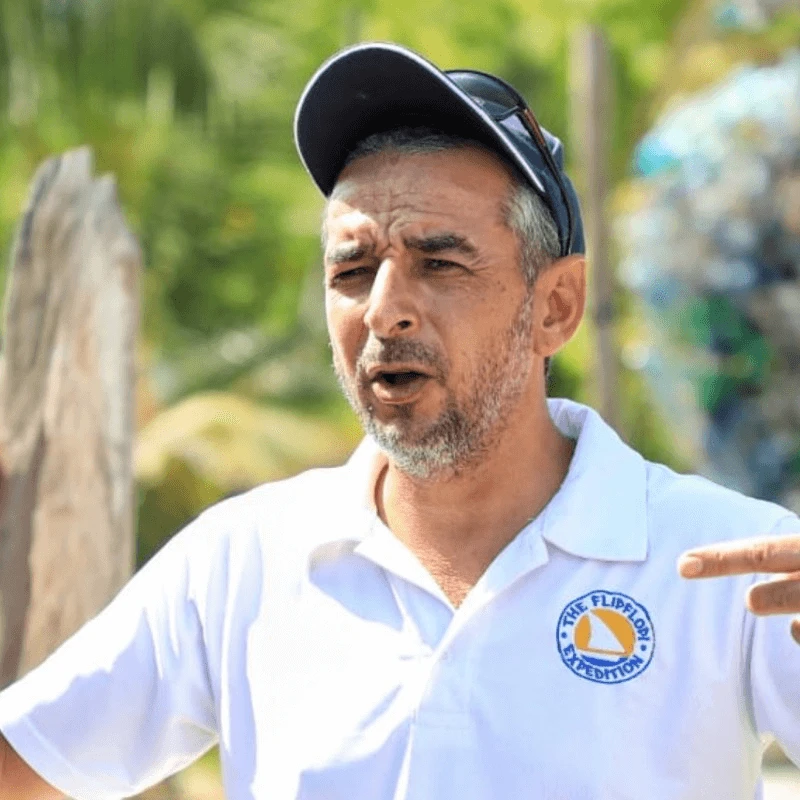
Dipesh Pabari, Project Leader at The Flipflopi – a project that runs a waste recovery, recycling, and training center for plastics in the Lamu Archipelago, Coastal Kenya – said they have drafted a Bill in partnership with the Africa Legal Network to enforce a complete ban on single-use plastics at the regional level.
“We have been engaging from the grassroots to parliamentarians and government stakeholders on whether this Bill is realistic and how we can get it passed,” Pabari said.
“The approach is not just managing waste but trying to reduce it in the first place.”
He said there are many policies on single-use plastics in East Africa, but there are many differences in their enactment and enforcement in the countries.
“As we all know, Rwanda is leading in enforcing a complete ban on single-use plastics. Uganda, on the other hand, has been struggling to enforce the plastic ban for several years,” Pabari said.
“The question we asked ourselves is, will we be able to tackle this problem on a national level? When we spoke to parliamentarians, government stakeholders, and citizens, the consensus was that we need a regional approach to tackling this issue.”
He said the region can learn from other models around the world such as that of the European Union which recently imposed a ban on unnecessary single-use plastics.

Beatrice Nyabira, Partner in charge of the Projects and Infrastructure Practice at DLA Piper Africa, said countries in the region need to incentivize solutions to the waste problem in their laws, such as introducing lower tax rates for investments in waste management.
“Procurement laws need not be bureaucratic. One of the hindrances to efficient waste management is lack of financing, so do we consider this in our private-public partnership laws, and do the land laws make the acquisition of land for such projects easier?” Beatrice posed.
She said countries in East Africa need collaboration because they are at different stages in the implementation of their laws.
“We live in one ecosystem, so when one country is left behind it affects the rest,” she said.

Victor Ogalo, Deputy Chief Executive at the Kenya Private Sector Alliance (KEPSA) said there is a lot of waste around but people might not see the wealth in it if the right policies are not in place.
“We need to see the wealth and if the available policies can’t let us do so, what can we do about it?” posed Ogalo.
The panel session was moderated by Ebenezer Amadi, Program Director at KEPSA.
Godfrey Ombogo is a journalist and communications specialist. Follow Godfrey on LinkedIn
A version of this article was originally posted at Alliance for Science and has been reposted here with permission. Any reposting should credit the original author and provide links to both the GLP and the original article. Find Alliance for Science on Twitter @ScienceAlly
 | Videos | More... |
Video: Nuclear energy will destroy us? Global warming is an existential threat? Chemicals are massacring bees? Donate to the Green Industrial Complex!
 | Bees & Pollinators | More... |
GLP podcast: Science journalism is a mess. Here’s how to fix it

Mosquito massacre: Can we safely tackle malaria with a CRISPR gene drive?

Are we facing an ‘Insect Apocalypse’ caused by ‘intensive, industrial’ farming and agricultural chemicals? The media say yes; Science says ‘no’
 | Infographics | More... |
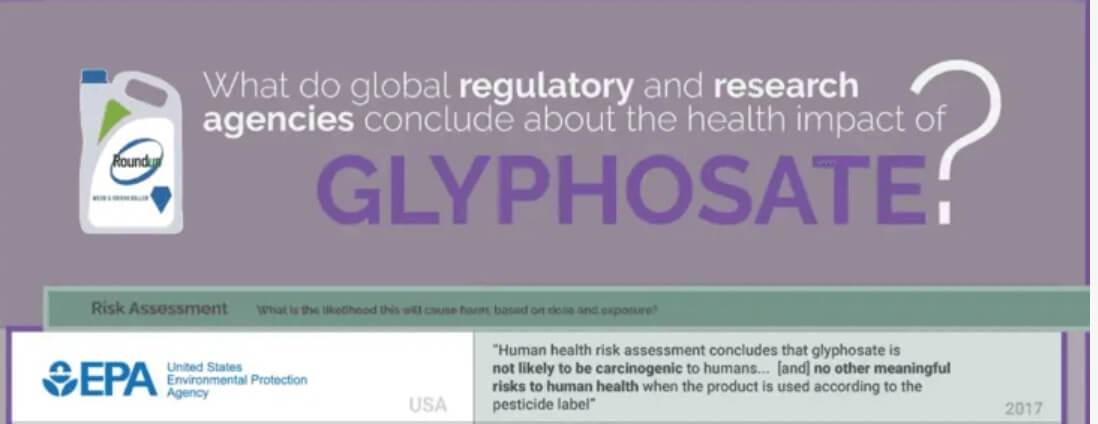
Infographic: Global regulatory and health research agencies on whether glyphosate causes cancer
 | GMO FAQs | More... |

Why is there controversy over GMO foods but not GMO drugs?

How are GMOs labeled around the world?

How does genetic engineering differ from conventional breeding?
 | GLP Profiles | More... |

Alex Jones: Right-wing conspiracy theorist stokes fear of GMOs, pesticides to sell ‘health supplements’

 Viewpoint — Fact checking MAHA mythmakers: How wellness influencers and RFK, Jr. undermine American science and health
 Viewpoint: Video — Big Solar is gobbling up productive agricultural land and hurting farmers yet providing little energy or sustainabilty gains
 Fighting deforestation with CO2: Biotechnology breakthrough creates sustainable palm oil alternative for cosmetics
 Trust issues: What happens when therapists use ChatGPT?
 California, Washington, Oregon forge immunization alliance to safeguard vaccine access against federal undermining
 30-year-old tomato line shows genetic resistance to devastating virus
 The free-range chicken dilemma: Better for birds, but with substantial costs
 ‘You have to treat the brain first’: Rethinking chronic pain with Sanjay Gupta