Fact: Genetically modified crops safe for the environment, farmers and the consumers

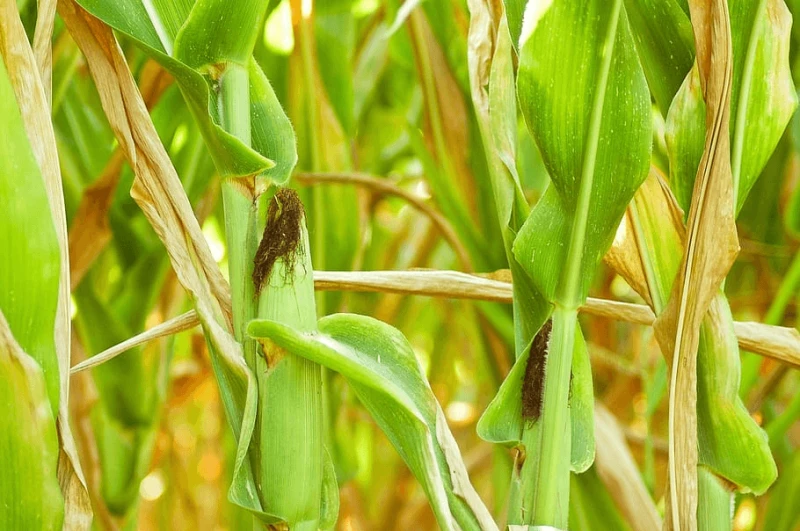
Reading today’s statements from non-governmental organizations that oppose GE crop technology, time appears to have stopped in 1999.
This technology has been very successful in many countries for almost 30 years.
Today over 450 million acres of GE crops are planted each year.
The data is very clear on increased yields, reduced pesticide use, and increased income, particularly for developing world farmers.
These are definitely “pros” of the technology.
Food security is a significant problem in East Africa.
With population increases expected in the coming decades, it will only get worst unless food production systems are improved.
One of the biggest challenges is food spoilage before it can be eaten.
Without effect controls, disease and rot can destroy most crops.
Genetically engineered crops are designed to deal with specific pest/disease issues.
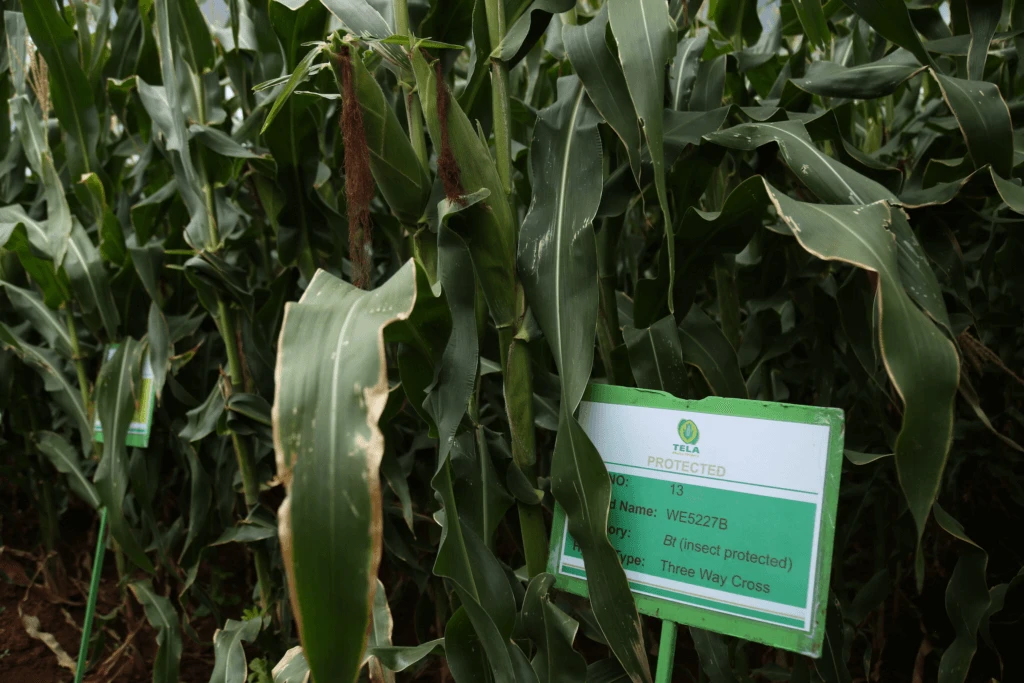
This GE crop has genes from soil bacteria (the same soil bacteria used in organic agriculture) incorporated into its genome to protect the corn from attacks of pests like the Fall Army Worm.
Fall Army Worm pest not only destroys the leaves of the maize but feeds on the grain cobs as well.
The pest introduces fungal pathogens which produce carcinogenic compounds.
Together, the loss of some kernels and the fungal toxin contamination of maize cobs lead to huge losses from this pest across sub-Saharan Africa.
Bt crops are very effective in reducing crop damage from Fall Army Worm and other caterpillar pests.
A bonus is a built-in resistance to pests means the farmer can spend far less on insecticide sprays while increasing yields.
The reduction in pesticide spraying also reduces risks to non-target insect populations (biodiversity increases).
Nigeria and Kenya began to allow GE crops in 2018 and 2019 respectively, ending decades of restriction.
The critics claim this was “whimsical” and without consultation.
This is completely false.
Decades of research and development by both countries have generated huge caches of safety and yield improvement data.
Only when these governments eliminated valid concerns of critics were the restrictions lifted.
The alleged issues put forward by today’s critics of GM crops are the same ones they put forward in 1999.
The difference is decades of data show the fears are unfounded and the technology is safe for the environment, for farmers to grow, and for the public to consume.

Food safety authorities around the world agree on the safe consumption of GE crops on the market.
Even the European Union imports 30 to 40 million tons of GE crops each year.
Food production is a global endeavor.
Potatoes and cassava are both from South America and cotton is from Central America.
The movement of crops from places of origin to places of large-scale production is the story of global agriculture’s success.
The biggest impact on biodiversity is agriculture, all agriculture.
By producing more food on less land, biotechnology helps protect even more wilderness from falling under the plow.
Simply put, biotechnology will help protect biodiversity by protecting the remaining wilderness. A win-win situation.
What has changed over the past three decades is who is producing GE crops.
Today, over 70 countries have active research and development programs in agricultural biotechnology.
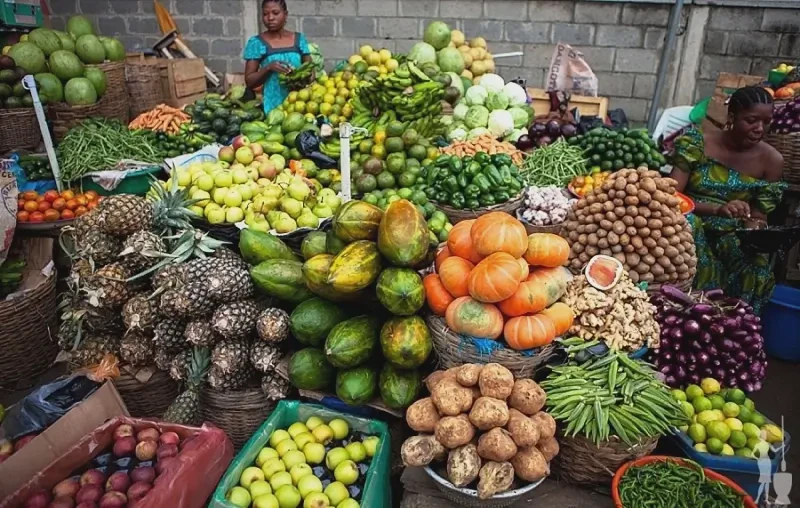
These (often decades-long) research programs are beginning to bear fruit.
In Africa, scientists from 13 countries are producing GE crops to deal with their issues with no multinational corporations involved.
Science has truly gone global.
The fear that multinational corporations will control local crops is no longer an issue.
Kenyan scientists did use “indigenous science” to produce GE crops for Kenyans to grow.
Whenever GE crops are authorized to be grown, local farmers flock to get the seeds and continue to grow those same varieties each year.
Giving farmers the choice will quickly determine if the GE crop is a good fit for local farmers.
Farmers are smart and when given the choice, they overwhelmingly choose to plant improved GE seeds around the world.
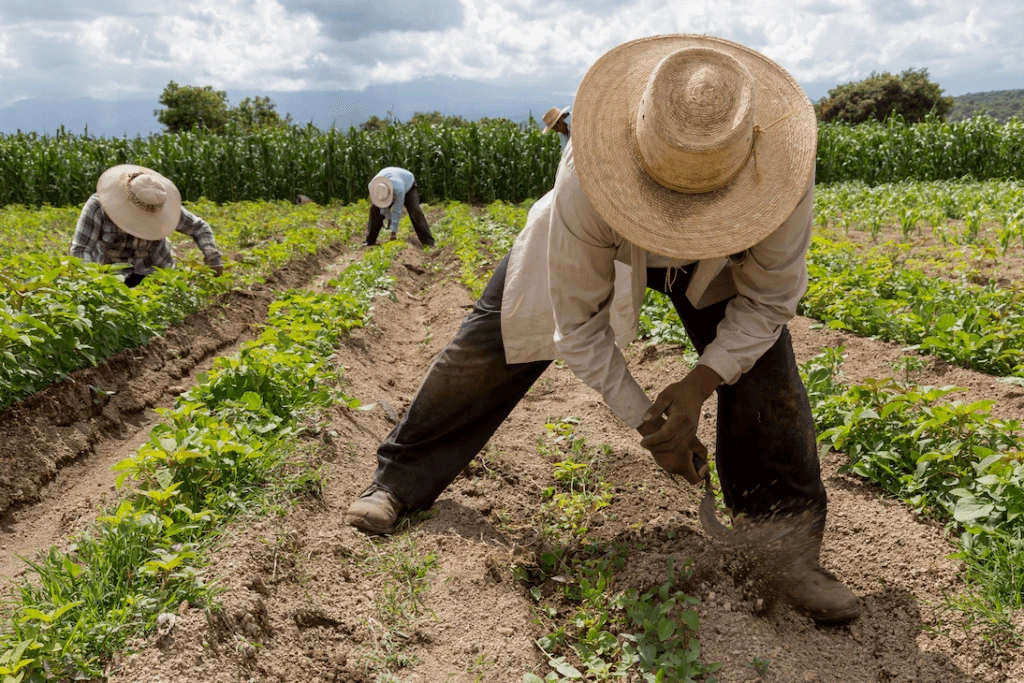
Almost 17 million farmers in the developing world chose to plant GE crops.
Over half of the global acres (450 million acres) of GE crops are planted in the developing world.
There are no “silver bullets” in agriculture.
GE crops are not a panacea.
But they do help deal with pests, disease, drought, and spoilage very effectively with reduced environmental impact.
The world needs to allow the best of every type of agriculture to produce more food on less land sustainably.
Robert Wager is an independent scientist trained in biochemistry and molecular biology. In addition to a university teaching role at Vancouver Island University, Robert seeks to bring the realities of agriculture and food production to light as a science communicator. Follow Robert on Twitter @RobertWager1
A version of this article was originally posted at Alliance for Science and has been reposted here with permission. Any reposting should credit the original author and provide links to both the GLP and the original article. Find Alliance for Science on Twitter @ScienceAlly
 | Videos | More... |
Video: Nuclear energy will destroy us? Global warming is an existential threat? Chemicals are massacring bees? Donate to the Green Industrial Complex!
 | Bees & Pollinators | More... |

GLP podcast: Science journalism is a mess. Here’s how to fix it

Mosquito massacre: Can we safely tackle malaria with a CRISPR gene drive?

Are we facing an ‘Insect Apocalypse’ caused by ‘intensive, industrial’ farming and agricultural chemicals? The media say yes; Science says ‘no’
 | Infographics | More... |

Infographic: Global regulatory and health research agencies on whether glyphosate causes cancer
 | GMO FAQs | More... |

Why is there controversy over GMO foods but not GMO drugs?

How are GMOs labeled around the world?
How does genetic engineering differ from conventional breeding?
 | GLP Profiles | More... |

Alex Jones: Right-wing conspiracy theorist stokes fear of GMOs, pesticides to sell ‘health supplements’

 Viewpoint — Fact checking MAHA mythmakers: How wellness influencers and RFK, Jr. undermine American science and health
 Viewpoint: Video — Big Solar is gobbling up productive agricultural land and hurting farmers yet providing little energy or sustainabilty gains
 Fighting deforestation with CO2: Biotechnology breakthrough creates sustainable palm oil alternative for cosmetics
 Trust issues: What happens when therapists use ChatGPT?
 California, Washington, Oregon forge immunization alliance to safeguard vaccine access against federal undermining
 30-year-old tomato line shows genetic resistance to devastating virus
 The free-range chicken dilemma: Better for birds, but with substantial costs
 ‘You have to treat the brain first’: Rethinking chronic pain with Sanjay Gupta