Genetically modified crops are key to resisting climate change, US embassy in Pakistan says

Soybeans are one GE crop that Pakistan imports from the United States. We are confident that the GE soybean varieties used in the U.S. are safe and pose no environmental risks. The rigorous U.S. regulatory approval system assures that. These are the same soybeans that Americans consume. In 2022, the U.S. soybean crop was 95 percent GE varieties.
Since 2015, the United States has exported 6.6 million tons of GE soybeans to Pakistan. Pakistani companies then convert the soybeans into cooking oil for human consumption or use them for animal feed, among other uses. Thus, the imported GE soybeans are important to Pakistan’s food security.
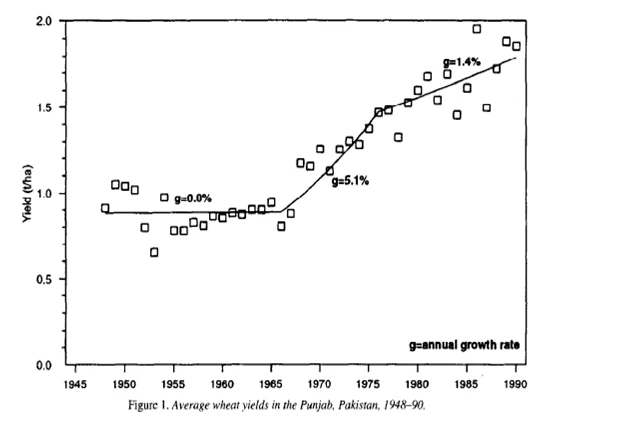
The successful agricultural trade we enjoy today has deep roots in history. The U.S.-Pakistan agriculture relationship really took off in the 1960s with the U.S.-Pakistan Green Revolution, which leveraged U.S. scientific advancements to vastly improve Pakistan’s crop yields, feeding billions in the process. Today, we are entering a U.S.-Pakistan Green Alliance, which will leverage our relationship to improve energy, water, agriculture, and other environmental issues of concern. This will simultaneously improve Pakistan’s climate resilience and strengthen inclusive economic growth.
Genetically engineered crops have been and continue to be a key component of our relationship. In fact, the GE crops the United States exports abroad are the same crops that Americans put on their tables and consume every day. However, misinformation about GE crops persists, despite their clearly demonstrated benefits. The science is clear; GE crops are safe, can withstand drought, survive floods, resist insects, and slow climate change.
Genetically engineered crops are important now more than ever, especially as Pakistan struggles with food insecurity and recovery from devastating floods. Unless we act, climate change will continue to threaten our ecosystems and cause extreme weather events, like floods. The U.S.-Pakistan Green Alliance is one way to take action, and the United States is proud to assist Pakistan in this endeavor that affects us all.
Genetically engineered crops: Learn more and understand how they help
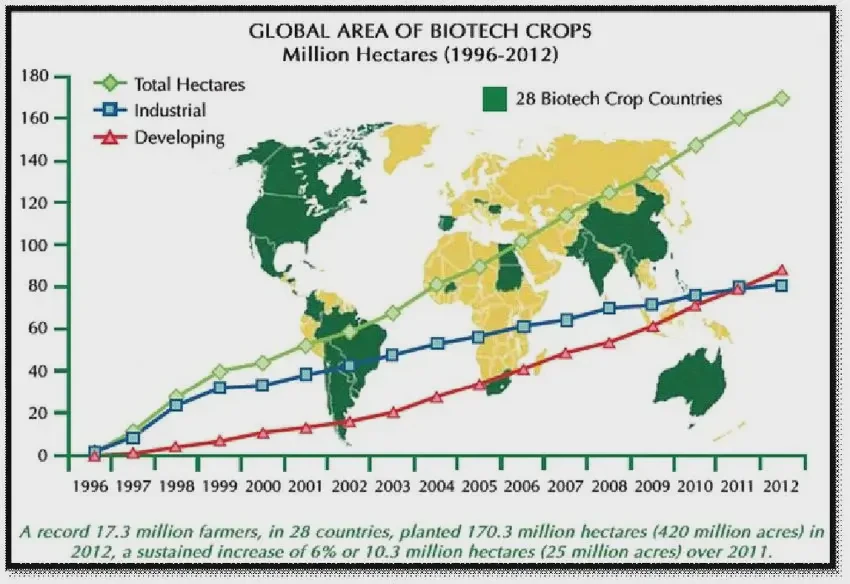
Genetic engineering is when scientists use recombinant DNA technology to alter an organism’s genetic makeup. In 2019, it was the fastest-adopted crop technology in the history of modern agriculture. During that year, the most recent for which data is available, farmers in 29 countries planted 190 million hectares of genetically engineered crops, according to the International Service for the Acquisition of Agri-biotech Applications (ISAAA).
Common genetically modified crops are varieties of corn, soybeans, cotton, and canola. Their traits can address agricultural challenges and, while doing so, help to slow climate change. The two most notable traits are herbicide tolerance and insect resistance.
These traits allowed farmers to reduce pesticide spraying by 8.6% between 1996 and 2018, according to the Cornell Alliance for Science.
Herbicide tolerance means fewer weeds, less tilling
Herbicide-tolerant crops do not die or wilt when they’re treated with herbicides that kill unwanted vegetation.
Planting herbicide-tolerant crops “allows optimal production — the ability to manage crops for other variables, knowing that they’re not going to be overwhelmed by weeds,” said David Baltensperger, head of the department of soil and crop sciences at Texas A&M University.
What’s more, these tolerant crops result in fewer herbicide applications and less tilling.
Tilling breaks up weeds’ destructive root systems. But it also releases greenhouse gases from the turned soil into the atmosphere, as do the tractors used for tilling. Herbicide-tolerant crops require less tilling, so there’s less greenhouse gas. And farmers can reduce soil erosion and get better harvests.
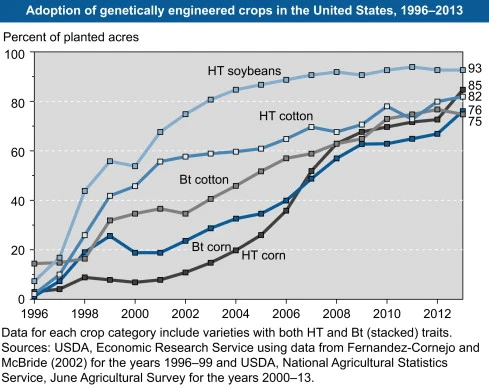
Scientists introduced herbicide-tolerant crops to the United States in 1996. By 2020, 90% of the domestic corn area used these kinds of seeds, according to ISAAA. Other examples of herbicide-tolerant crops in the U.S. are cotton, canola, and soybeans.
Insect resistance means less pesticide, emissions, and waste
Meanwhile, crops can be genetically engineered to resist harmful insects by incorporating a protein from insect-killing bacteria. These are commonly referred to as “Bt crops,” because proteins from Bacillus thuringiensis (Bt), a soil bacterium, have been added to them. About 405 million hectares of farmland around the world grow crops that incorporate Bt, according to the Cornell Alliance for Science.
Farmers who plant insect-resistant crops control pests without spraying harmful chemicals. This in turn reduces greenhouse gas emissions from the machines that deliver insecticides.
Read the original post here

 | Videos | More... |
Video: Nuclear energy will destroy us? Global warming is an existential threat? Chemicals are massacring bees? Donate to the Green Industrial Complex!
 | Bees & Pollinators | More... |

GLP podcast: Science journalism is a mess. Here’s how to fix it

Mosquito massacre: Can we safely tackle malaria with a CRISPR gene drive?

Are we facing an ‘Insect Apocalypse’ caused by ‘intensive, industrial’ farming and agricultural chemicals? The media say yes; Science says ‘no’
 | Infographics | More... |
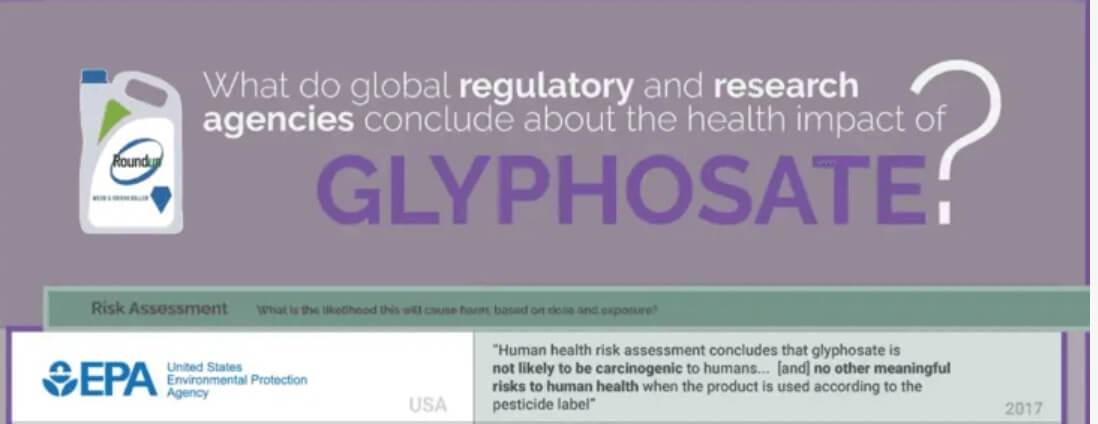
Infographic: Global regulatory and health research agencies on whether glyphosate causes cancer
 | GMO FAQs | More... |

Why is there controversy over GMO foods but not GMO drugs?

How are GMOs labeled around the world?

How does genetic engineering differ from conventional breeding?
 | GLP Profiles | More... |

Alex Jones: Right-wing conspiracy theorist stokes fear of GMOs, pesticides to sell ‘health supplements’

 Viewpoint — Fact checking MAHA mythmakers: How wellness influencers and RFK, Jr. undermine American science and health
 Viewpoint: Video — Big Solar is gobbling up productive agricultural land and hurting farmers yet providing little energy or sustainabilty gains
 Fighting deforestation with CO2: Biotechnology breakthrough creates sustainable palm oil alternative for cosmetics
 Trust issues: What happens when therapists use ChatGPT?
 California, Washington, Oregon forge immunization alliance to safeguard vaccine access against federal undermining
 30-year-old tomato line shows genetic resistance to devastating virus
 The free-range chicken dilemma: Better for birds, but with substantial costs
 ‘You have to treat the brain first’: Rethinking chronic pain with Sanjay Gupta