Growing and producing food, fiber, and biofuels generates about one-quarter of all human-caused greenhouse-gas emissions. At the same time, yields of the world’s major food crops are projected to decline in the coming decades as the climate warms, causing droughts, heat waves, or heavier-than-normal rains. In some areas it is already happening.
So the team plans to reduce the carbon footprint of fertilizer by genetically engineering plants and soil microbes to, in effect, make their own.
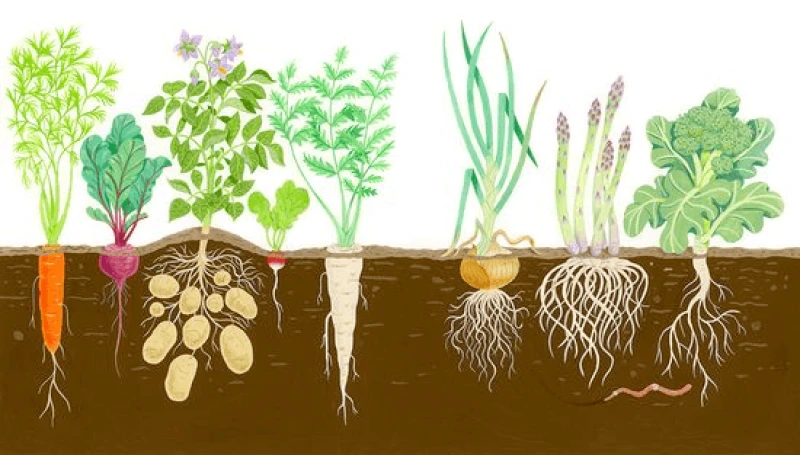
The symbiotic relationship between rhizobia, a type of soil bacteria, and some legumes may offer a blueprint for developing these “self-fertilizing” plants. Rhizobia infect legumes, which provide them a home in the form of nodules in their roots. The rhizobia return the favor by converting nitrogen in the atmosphere into ammonia that is used by the plant. As a result, the plants require far less applied nitrogen fertilizer than other staple crops.
This is an excerpt. Read the original post here

















 Viewpoint — Fact checking MAHA mythmakers: How wellness influencers and RFK, Jr. undermine American science and health
 Viewpoint: Video — Big Solar is gobbling up productive agricultural land and hurting farmers yet providing little energy or sustainabilty gains
 Fighting deforestation with CO2: Biotechnology breakthrough creates sustainable palm oil alternative for cosmetics
 Trust issues: What happens when therapists use ChatGPT?
 California, Washington, Oregon forge immunization alliance to safeguard vaccine access against federal undermining
 30-year-old tomato line shows genetic resistance to devastating virus
 The free-range chicken dilemma: Better for birds, but with substantial costs
 ‘You have to treat the brain first’: Rethinking chronic pain with Sanjay Gupta