GM crops safe and viable option for Africa, say African science academy experts


The experts also assured the public that GM crops in the market today have the same or better nutrition and composition as non-GM.
“GM crops have been grown commercially since 1996 and are proven to be a highly successful farm tool improving production and environmental safety benefits. Foods from biotech crops have been eaten for twenty-five years with no verified health problems reported,” a statement from the Annual Meeting of African Science Academies (AMASA) 2022 reads.
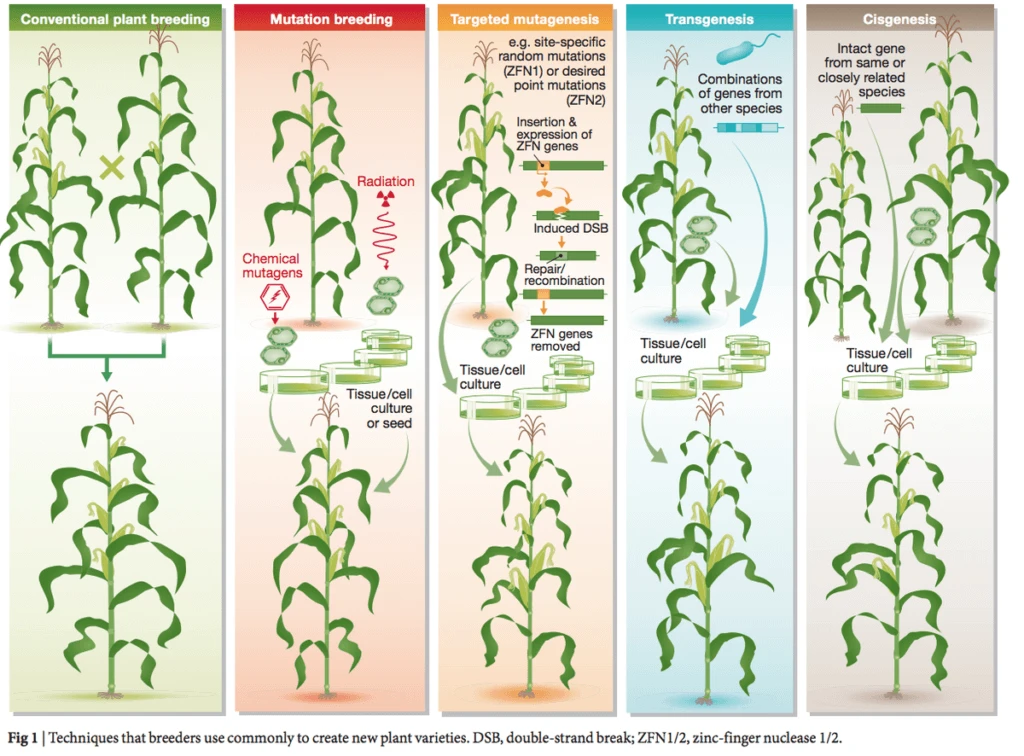
Scientists are essentially the apex voices of authority on GMO safety, so this declaration serves to clear any doubts that the general public across the continent might have been harbouring on safety of GM crops.
Over 90 experts from 25 National Science Academies converged in a three-day forum that took place in Nairobi, Kenya, from 28 to 30 November, 2022, under the auspices of the Network of African Science Academies (NASAC), to discuss and draw recommendations on how the continent can strengthen its capacity for sustainable agriculture and food systems.
Among the key takeaways of the convention, the experts urged African countries to embrace and tap into the huge potential of modern agricultural biotechnology in improving agricultural productivity.
The scientists note that GMOs undergo stringent safety assessment before approval and that research on GM crops has to be reviewed and approved in accordance with national and international science protocols.
“Thus, biotech crops under research are subjected to different levels of risk assessment (on a case by case basis) before they are approved for commercial cultivation.”
Responding to concerns over the nutrition and composition of GM crops, the experts stated that food from GM crops is digested in the body in the same manner as food from non-GM crops. For example, GM maize is nutritionally the same and digested in the same way as non-GM varieties.
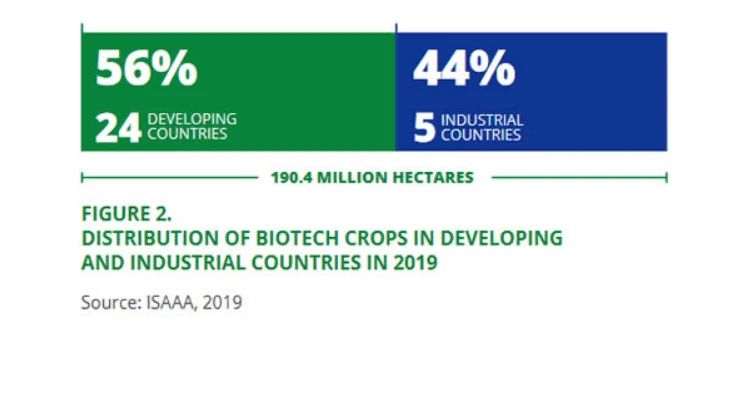
The safety and value of GM crops are further vouched by the extensive cultivation and consumption in other parts of the globe. More than 70 countries have adopted biotech crops, noted the African scientists, adding that more than 190 million hectares of biotech crops are grown globally.
They noted that developing countries grew 56% of the global biotech crop area compared to 44% for industrialised countries.
GM crops have also been approved by leading scientific authorities around the world, including U.S. National Academy of Sciences, United Nations Food and Agriculture Organization, World Health Organization, European Food Safety Authority, American Medical Association and the American Association for the Advancement of Science, with the assurance that GM food crops do not pose any risks to people, animals or the environment.
To dispel any fears over regulatory and research capacity, the experts stated that most African countries have the requisite scientific infrastructure and human capacity needed for research and development of biotech crops, as well as enough biosafety capacity to regulate GM research and products.
The statement by the scientists comes as a timely intervention to a debate that has lately been steeped in controversy and misinformation, the latter advanced by anti-GMO activists mostly positioned in political and civil society spaces.
The scientists took particular exception to the Kenyan case, where misinformation and fearmongering have been rife in both conventional and social media after the country lifted its 10-year ban on GMO cultivation and imports in October 2022.
“We note that the continent has been embroiled in polarized debate around genetically modified organisms (GMOs) – which are products of modern biotechnology. The debate is even hotter here in Kenya following the lifting of a decade-long ban on importation and use of genetically modified foods in Kenya. The debate has even played out in the law courts, and most recently the High Court has issued orders suspending importation and distribution of GMOs,” reads the statement from the conference.
Established in 2001, NASAC is driven by the belief that science is essential to the economic, social and cultural development of Africa and seeks assist its membership make the voice of African science heard by African decision-makers and decision-makers worldwide.
The association also supports its membership to contribute to science and technology capacity enhancement in all African countries.
The AMASA 2022 conference was aptly themed: “Strengthening Capacity for Sustainable Agriculture and Food Systems in Africa.” This reflected on the challenges of declining agricultural productivity and increased food insecurity that many countries in Africa are facing.
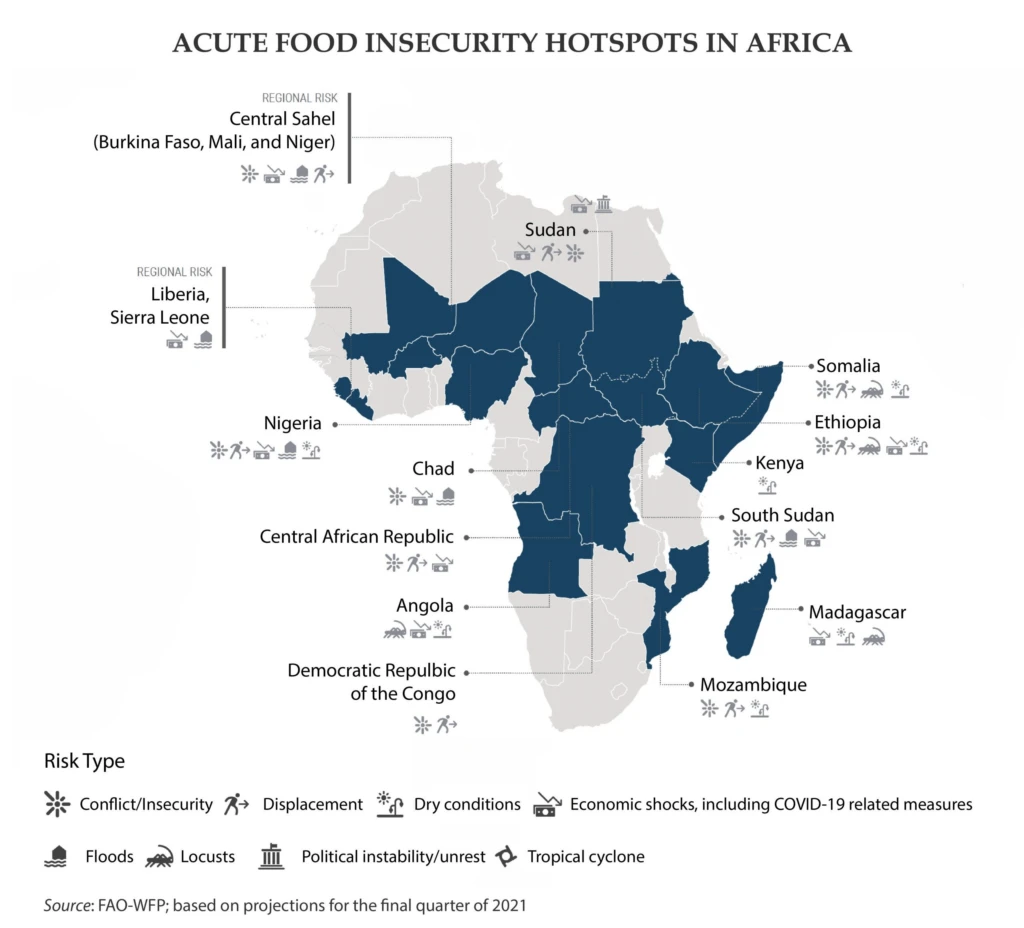
A devastating drought has rocked the Horn of Africa, condemning millions to famine while aggravating an already bad food security situation.
In Kenya, over 4 million people are in dire need of humanitarian assistance and the situation is worsening in the livestock sector with more than 50 feed manufacturers closing and farmers downsizing their animals.
“As we debate about GMOs, the drought situation continues to worsen in twenty of the 23 ASAL counties in Kenya. The situation is replicated in most parts of Africa. Shockingly, more than 100 million Africans face acute food insecurity”, reads the statement.
To help mitigate the situation, the experts made recommendations that would enhance acceptance and adoption of GM crops in African countries. To start with, they proposed that scientists and the media should take more proactive steps that would help in sensitizing the public and combating widespread misinformation, misperceptions and myths about GMOs.
They further expressed the need for sound political leadership that appreciates the vital place of science in addressing climatic challenges and food insecurity. To this end, the experts expressed concern at the unfortunate turn of events that saw the GMO debate in Kenya take an overly political angle.
The experts also recommended that overlaps in biosafety regulatory and policy frameworks in Africa need to be addressed to enhance approval process of GM products.
“It’s important that we recognise this inflection point in how science supports society to address global challenges. The time is now to create more inclusive spaces for pro-science voices and to use every channel to bring diverse perspectives into every debate,” said Dr Sheila Ochugboju, Executive Director, Alliance for Science.
Dr. Joseph Maina is a Senior Lecturer in the Department of Earth and Environmental Sciences at Macquarie University. Joseph’s ultimate goals are to understand and predict the impacts of environmental variability and change on social and ecological systems at local and global scales to support spatial planning & management.
A version of this article was posted at Cornell Alliance for Science and is used here with permission. Check out Cornell Alliance for Science on Twitter @ScienceAlly
 | Videos | More... |

Video: Nuclear energy will destroy us? Global warming is an existential threat? Chemicals are massacring bees? Donate to the Green Industrial Complex!
 | Bees & Pollinators | More... |

GLP podcast: Science journalism is a mess. Here’s how to fix it

Mosquito massacre: Can we safely tackle malaria with a CRISPR gene drive?

Are we facing an ‘Insect Apocalypse’ caused by ‘intensive, industrial’ farming and agricultural chemicals? The media say yes; Science says ‘no’
 | Infographics | More... |
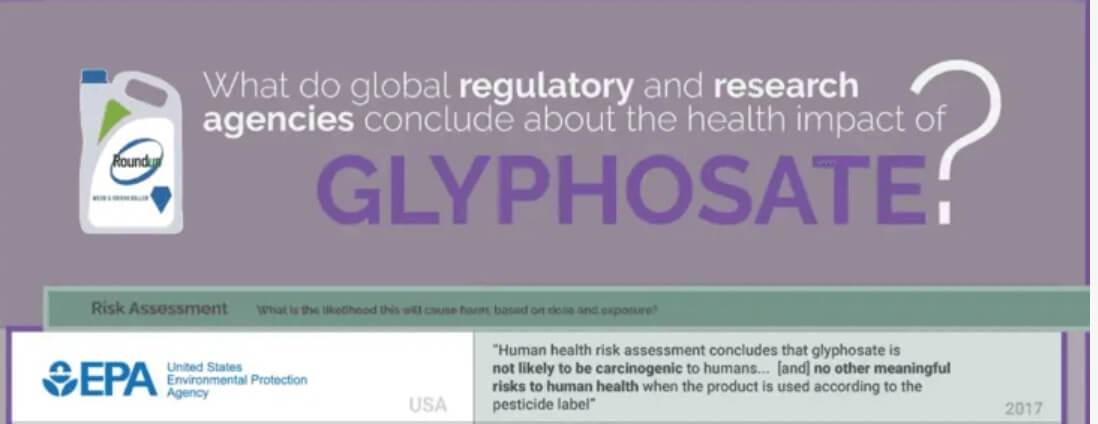
Infographic: Global regulatory and health research agencies on whether glyphosate causes cancer
 | GMO FAQs | More... |

Why is there controversy over GMO foods but not GMO drugs?

How are GMOs labeled around the world?
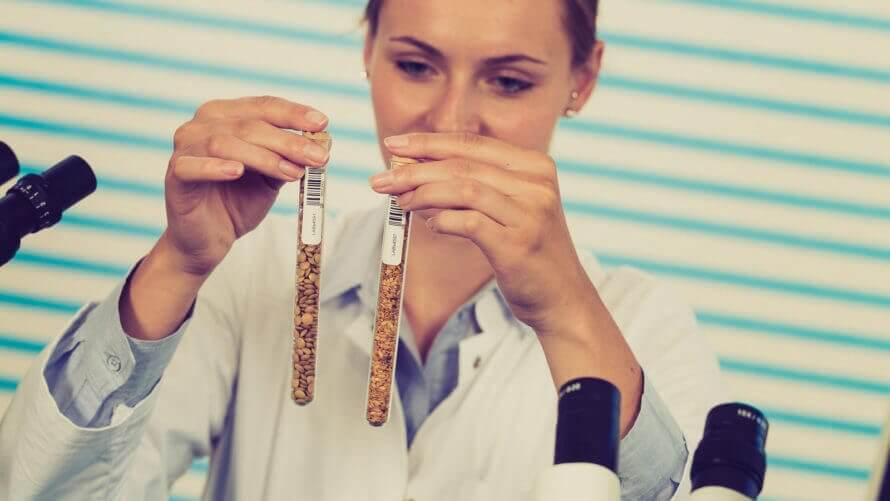
How does genetic engineering differ from conventional breeding?
 | GLP Profiles | More... |

Alex Jones: Right-wing conspiracy theorist stokes fear of GMOs, pesticides to sell ‘health supplements’

 Viewpoint — Fact checking MAHA mythmakers: How wellness influencers and RFK, Jr. undermine American science and health
 Viewpoint: Video — Big Solar is gobbling up productive agricultural land and hurting farmers yet providing little energy or sustainabilty gains
 Fighting deforestation with CO2: Biotechnology breakthrough creates sustainable palm oil alternative for cosmetics
 Trust issues: What happens when therapists use ChatGPT?
 California, Washington, Oregon forge immunization alliance to safeguard vaccine access against federal undermining
 30-year-old tomato line shows genetic resistance to devastating virus
 The free-range chicken dilemma: Better for birds, but with substantial costs
 ‘You have to treat the brain first’: Rethinking chronic pain with Sanjay Gupta