Claude Ménara was an icon in the early 2000s. The icon of the pro-GMO fight in New Aquitaine, who regularly suffered the wrath of the antis. At his home in Grézet-Cavagnan (two short kilometers from the Marmande motorway exit), José Bové, accompanied by 300 mowers, uprooted 12 hectares of GMO corn on September 2, 2006. “I was in Canada that day…”, recalls Claude Ménara who has not moved since.
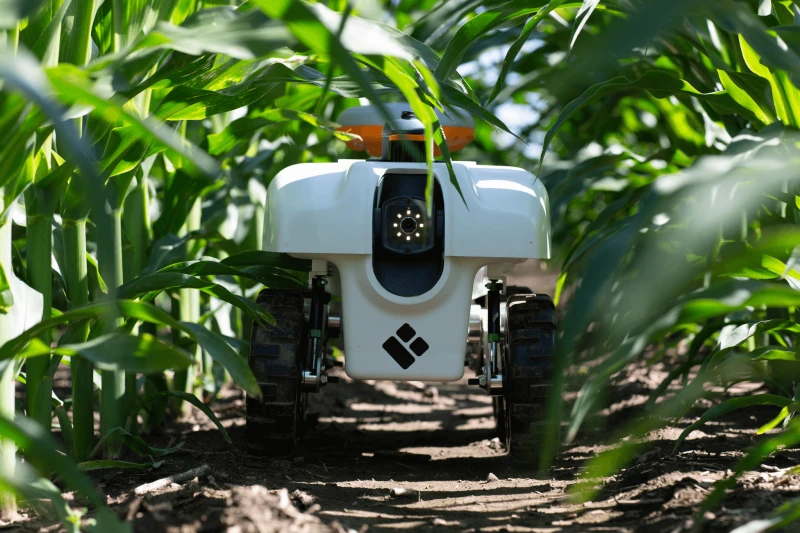
Both geographically and ideologically, he remains the pope of corn in Lot-et-Garonne, with his 500 hectares of surface distributed in the Landes of Gascogne (also dedicated to peas, wheat, green beans) and he militates to fight against drought by water storage, digitization, robotics and genetics.
“Irrigation is attacked in the ax by the promoters of the desert. Water is life, it is quality, it is quantity, it is sustainable development. Some say that we water the roads (sighs). We manage irrigation as real technicians. We put the water that must be, when it is necessary, where it is necessary, during the hours which are imposed on us by the prefecture during periods of restrictions, respecting the cubic meters which are allocated to us. We practice reasoned irrigation, with capacitive probes. And all thanks to computerized systems. Digital and robotics are fundamental for the future of our profession. They allow me to control the slightest hectare of my farm. And then, I remind all of these detractors that we pay for water. And this to feed the whole planet,” [Ménara says.]

















 Viewpoint — Fact checking MAHA mythmakers: How wellness influencers and RFK, Jr. undermine American science and health
 Viewpoint: Video — Big Solar is gobbling up productive agricultural land and hurting farmers yet providing little energy or sustainabilty gains
 Fighting deforestation with CO2: Biotechnology breakthrough creates sustainable palm oil alternative for cosmetics
 Trust issues: What happens when therapists use ChatGPT?
 California, Washington, Oregon forge immunization alliance to safeguard vaccine access against federal undermining
 30-year-old tomato line shows genetic resistance to devastating virus
 The free-range chicken dilemma: Better for birds, but with substantial costs
 ‘You have to treat the brain first’: Rethinking chronic pain with Sanjay Gupta