Inflation and the Blue Dollar: How much does it really cost to travel in Argentina?
Last Updated on March 1, 2024
We often say, half-jokingly, “We make mistakes so you don’t have to.” This is a story about a major travel mistake we made that, had we been better prepared, we could have saved thousands of dollars. In this article, we’re sharing everything you need to know about the Blue Dollar (Dolar Azul) in Argentina, how you can get the Blue Dollar rate in Argentina, and some things to know about the exchange of Blue Dollar vs the official government rate.
What to know about the Blue Dollar rate in Argentina
A huge mistake when visiting Argentina: not bringing cash (USD)
On our first trip to Argentina, our biggest mistake was to not bring any cash. US Dollar bills, to be precise. To be fair, we did research, but because we were going to spend the first six weeks in Buenos Aires, there were some things we left for after our arrival. We read fellow travel blogs about trips taken only a mere twelve months before we arrived, and relied on an older version of the Lonely Planet. But so much had changed since that was printed, and since these blogs were written!
Prices seemed low, more comparable to Central America than Europe or the United States. Accommodation seemed to fit in the range of US$30 a night for a private room, overnight buses around US$70 and meals at restaurants around US$5 – $7.
Our first mistake was thinking that currency exchange information from 2010 or 2011 would be correct in 2013. With inflation running at 25 percent during our first visit to Argentina, prices weren’t even the same month to month, let alone from the previous year.
2024 Update:I returned to Argentina to find that inflation was now even higher than it was when I visited the country for the first time. (It was over 200% in January 2024!) And while the Blue Dolar still excited, there were some changes to it, as well. I updated this article after my latest visit.
The second lesson we learned was that the official US Dollar – Argentine Peso rate that you get withdrawing cash at ATMs and banks is worth half the Blue Dollar rate, a parallel currency exchange that is unofficial and technically illegal.
The Blue Dollar rate vs. Official Dollar rate
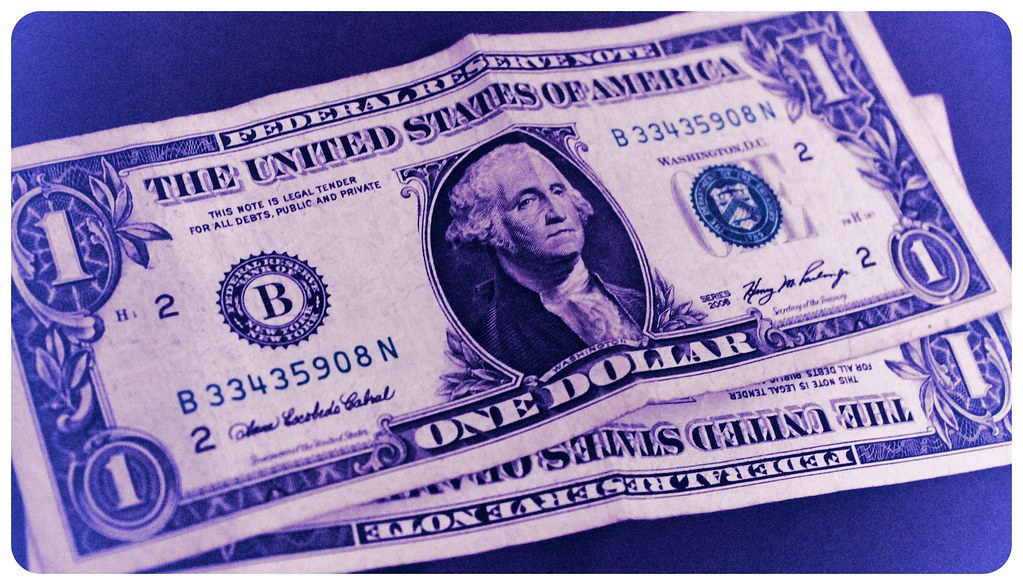
The biggest travel mistake we have ever made was not bringing cash in US dollars. We had been housesitting in Costa Rica and then flew to Buenos Aires via Mexico, and if we had just gotten some US Dollars before traveling to Argentina, we could have saved an incredible percentage of our overall spending.
ATM’s in Argentina should be avoided
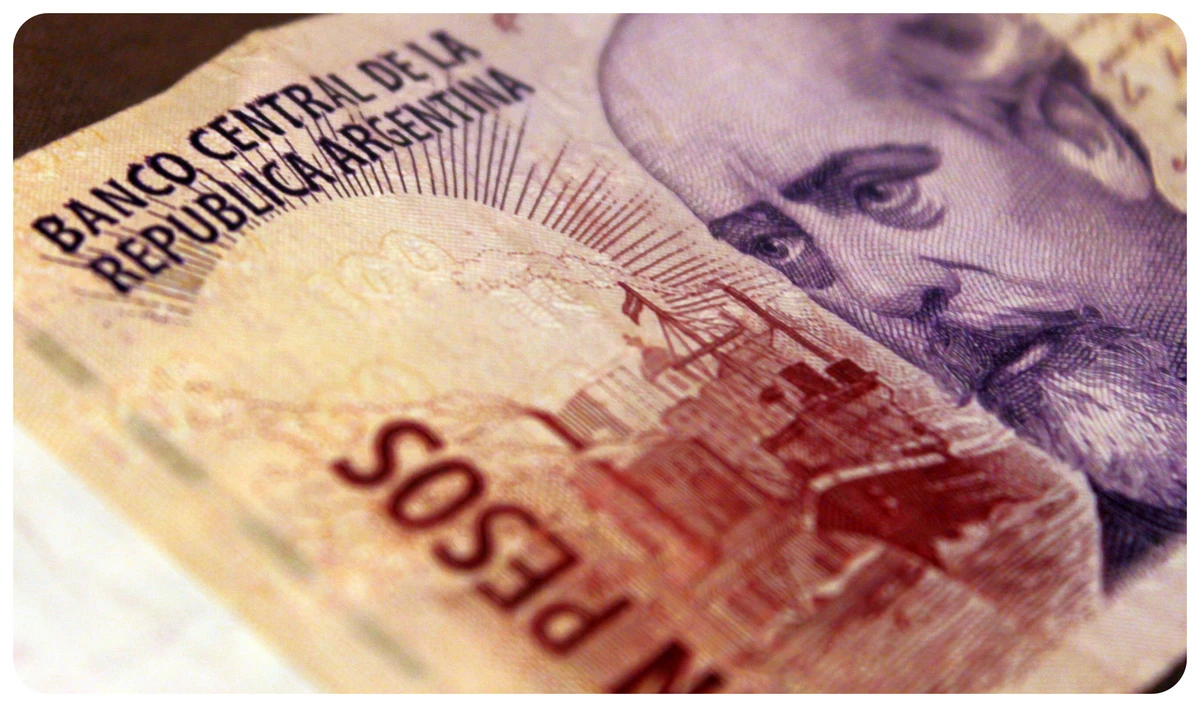
ATMs in Argentina limit withdrawals to 1000 pesos, which at the official exchange rate of (around) 5 pesos to the US$1, was US$200. Due to the high prices, we had to withdraw very often, and pay the US$10-15 ATM fee on top every time. (Had we opened a Charles Schwab account before our time in Argentina, we would have had all those $$ reimbursed at the end of every month. Yet another lesson learned.)
Note:I am not sure what the current maximum withdrawal limit, is – even the Banco Central website still states 1000 Pesos, but with the current inflation that’s unlikely to be correct. (As of February 2024, 1000 Pesos equal about 1 USD).
The peso, and the entire Argentine economy, is extremely unstable. Argentina has a history of financial crashes and when the last crash happened in 2002, US Dollars kept in bank accounts were simply converted into Pesos (at much lower value). In 2011 the government of Argentina made it impossible to buy US Dollars at all in an attempt to keep their own currency afloat. But this doesn’t stop the flow of US Dollars, it just relegated dollars to an unofficial black market, or parallel economy, which is referred to as the Blue Dollar Rate.
How we could have saved loads of cash (and how you can avoid our mistake)
At this point it should go without saying that Argentinians don’t trust their own currency. They are willing to buy dollars at a weaker rate just to have them and most people stuff them in suitcases or boxes under the bed. This is better for them than having pesos even though they lose a big chunk buying dollars on the black market. For foreigners traveling with dollars to Argentina, however, this is a great advantage and a way to cut costs in half.
The first time we were in Argentina (in late 2012 / early 2013), the official rate was 5 pesos to $1 and the Blue Dollar Rate was 7-8 pesos per $1. With inflation running at 25 percent, the Blue Dollar rate was up to 10 Pesos per $1. This frustrating number (for Argentines looking to secure their net worth in dollars) was back then even referred to as the Dollar Messi, after Argentina’s top soccer player Lionel Messi, who wears the number 10 jersey.
In 2024, with massive inflation, the difference wasn’t quite as stark, but still palpable: 100 US Dollars bought me over 100,000 Argentine Pesos, while per official rate, I’d only gotten 80,000 Pesos for that amount (February 2024).
What does the difference Blue Dollar / official exchange rate difference look like in actual numbers?
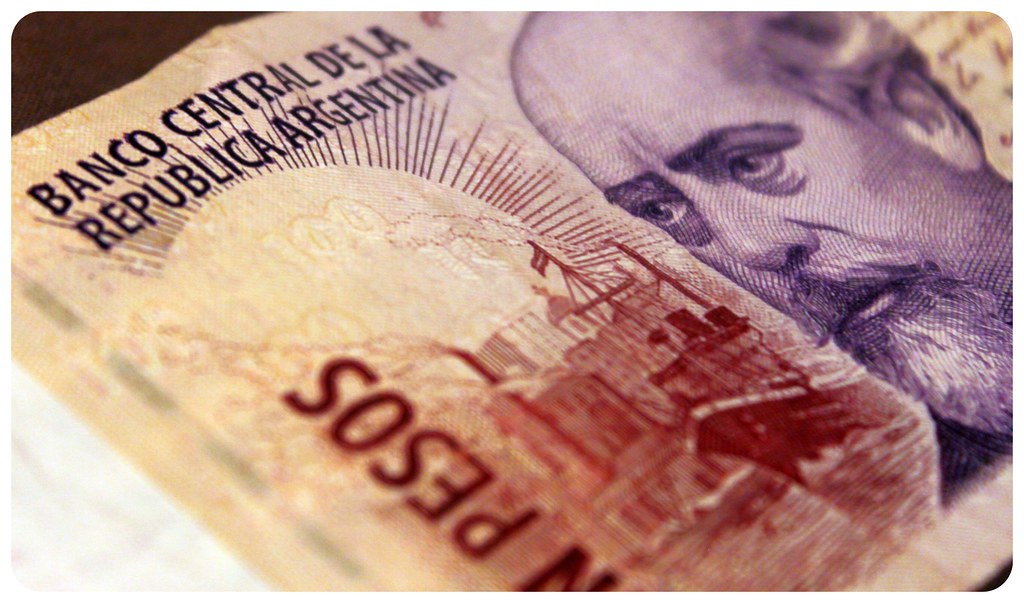 This is where things get really painful for us to look back on. We did not start taking advantage of the Blue Dollar rate at all until the third time we entered the country.
The total amount we spent in Argentina comes up to 44,018 Argentine Pesos. In US Dollars, that is $8,910 (at the official exchange rate of around 5.0 we got during our stay).
Had we gotten the Blue Dollar rate, we would have spent roughly US$6,290 at 7 Pesos or even only US$5,500 at a rate of 8 Pesos to the Dollar. We essentially donated over $2,600 to the government of Argentina.
2024 update
If you are traveling to Argentina today, you can save a lot of money by exchanging your money (cash) at the Blue Dollar rate of 1100 pesos per $1 instead of 800 pesos per $1 at the bank, plus you’ll save on all those ATM fees.
So if you’re exchanging US$1,000 at the official exchange rate, you’d get 800,000 ARS – but if you exchange cash, you’ll get a minimum of 1 million Argentine Pesos (and up to 1.1 million depending on where you’re exchanging your money).
How to get the rate of the Blue dollar Argentina
If you’re traveling to Argentina from the U.S., definitely bring a giant stack of US Dollars, in cash, with you (maybe not as giant if you’re only going on a short vacation – but definitely more if you’re planning to spend some time in the country).
If you have this cash, what to do with it?
In Buenos Aires, you could find an ‘arbolito’, or little tree. These are the men with ‘green leaves’ or dollar bills, most of whom stand on Calle Florida and will take you to a ‘cueva’ (cave) to exchange your money. Sound shady? It is. These are illegal places, often looking like completely legit stores, in nearby shopping arcades.
A local Argentine friend told us to stay away from them since they often give the wrong change or even fake bills, but enough people seem to use them for them to be still around in 2024, and judging from the amount of ‘arbolitos’ I’ve encountered on my most recent trip.
You’ll recognize them easily since they are yelling out “cambio, cambio” (exchange, exchange) constantly, especially when foreigners walk by. You can read more about the arbolitos and the underground dollar market in this Business Insider article.
Send money via Xoom or Western Union
If you don’t want to travel with handfuls of cash and exchange them in caves with little trees or aren’t able to stock up on US dollars at your previous destination, there is another way to get Argentine Pesos at the Blue Dollar rate: Xoom as well as Western Union, digital money wiring services, will give you not quite the Blue Dolar rate if you wire yourself money from your U.S. account to Argentina, but a much better rate than the official rate (and the fee is much less than the ATM fees that you pay when you get cash out). 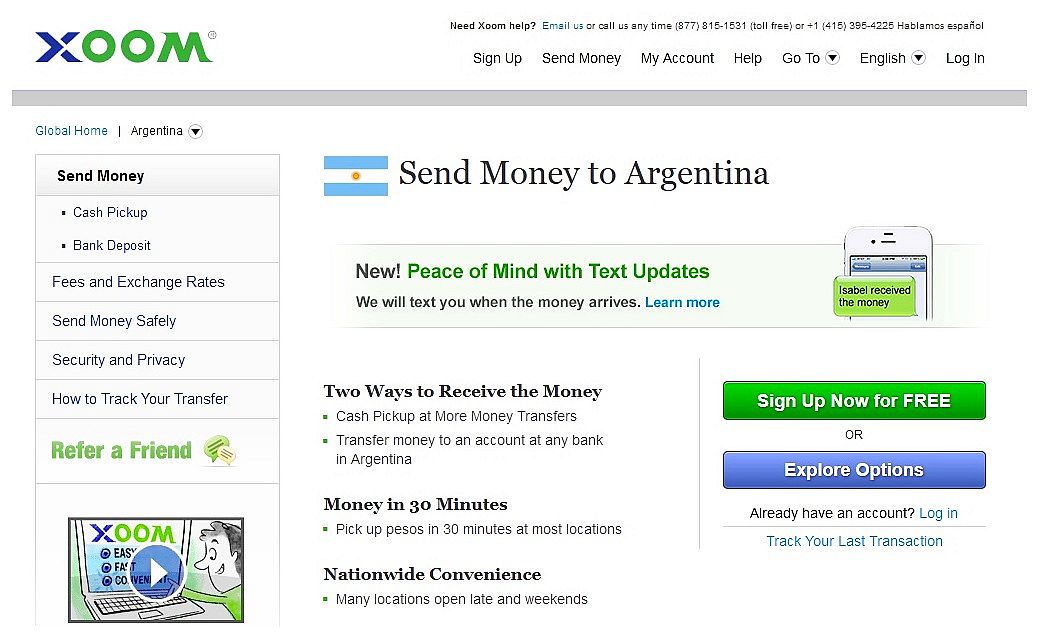 A lot of foreigners based in Argentina us these methods. You sign up for Xoom or Western Union online and wire money into the account from any bank account or even just a debit card and then pick it up in cash at one of their affiliated offices. In Buenos Aires, the most convenient located office for Xoom is More Money at Libertad 1057. The only requirement for opening a Xoom account: you need a U.S address.
In order to pick up your Western Union / Xoom cash, you need to show documents that prove you are the same person who wired the money. In other words, this isn’t a service for US residents (or people using a US address) to wire money to Argentine residents. This is a way to wire yourself cash. The transaction fee Xoom / Western Union charges is minimal and the service will end up saving you bundles of cash in the long run.
Apparently it takes only 30 minutes to wire the money, but in reality you should allow 24 hours for the transaction. If you are using Xoom or Western Union in other cities in Argentina, make sure these towns have a place where you can pick up the cash – not all cities have a Xoom affiliate, Western Union is more ubiquitous.
Western Union vs Xoom
Western Union seems to have better rates, ie. you’ll get more Pesos per dollar. The other Western Union advantage is that there are a lot more physical branches throughout the country than offices affiliated with Xoom.
Is the Blue Dollar rate legal?
With Blue Dollar caves and companies like Xoom, how illegal is this all, really? Even though the rate is technically illegal, it is official enough to be printed in Argentina’s major newspapers and websites. Some shops and restaurants put signs with the blue dollar rate they trade for on their door and windows. The Blue Dollar rate even has a Facebook Page with 20,000 likes and Valor Dolar Blue tweets the updated rate several times per day!
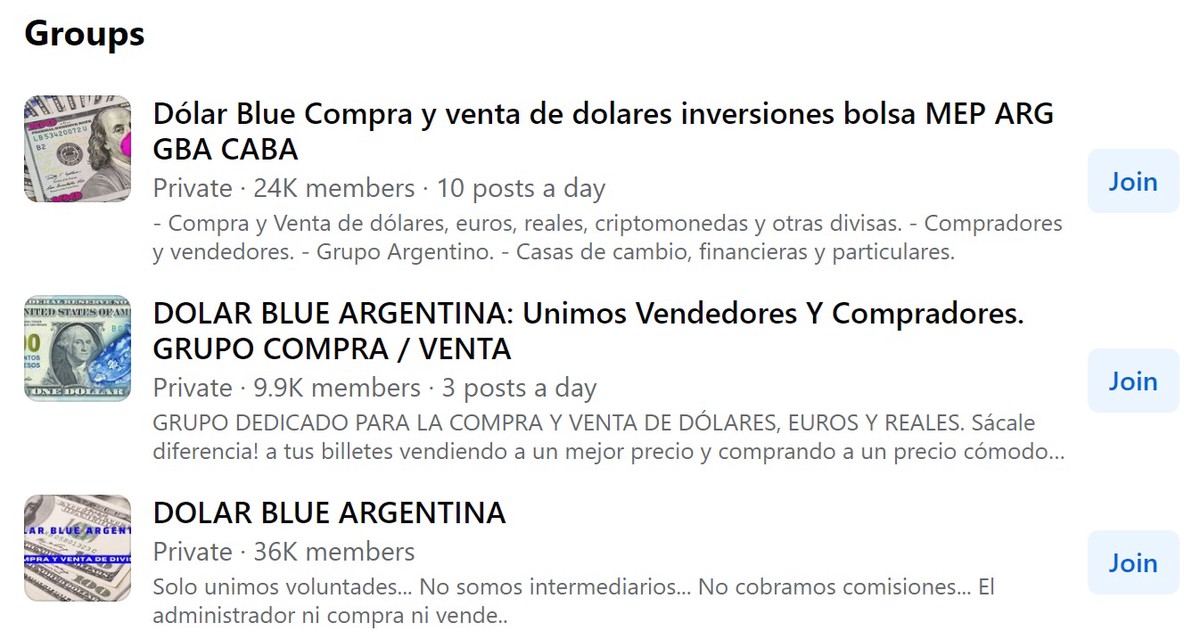
However, you can look up trustworthy exchange offices on websites like the Buenos Aires expat forum or the many Buenos Aires expat Facebook groups or ask the receptionist at your hotel, your taxi driver at the airport or the guy at the newsstand – they’ll most likely know where you can get the Blue Dollar rate or refer you to someone who knows someone. My Airbnb hosts were keen on getting their hands on some crisp U.S. dollar bills, and while I was in town, I joined a Whatsapp Group Chat in which people were offering to buy Pesos all day long, along with the rate they were willing to accept and what part of town they were in. (Just ask in one of the Facebook groups about the Whatsapp chats and you’ll get added to one of them).
The Blue Dollar in Argentina: Final Thoughts
Our time in Argentina cost us more than we had expected, but it can be done on the cheap once again. Use Western Union, Facebook groups, or visit the ‘arbolitos’. See if you can exchange directly with your hostel/hotel or with local friends who will likely be happy to give you the blue dollar rate. And if you do use an ATM, make sure to have an account that reimburses all international ATM fees.
Related posts:
 Polaroid of the week: The Berlin Wall
 The Five Best Places To Visit In Chile
 The day we hitchhiked to the end of the world
 She Said, She Said in Buenos Aires, Argentina: Is El Caminito / La Boca worth visiting?