Foods / Tuesday, 09-Sep-2025

Letter to the US Department of Agriculture: Look to biotechnology for innovation

Letter to the US Department of Agriculture: Look to biotechnology for innovation
XLinkedInFacebookRedditBlueskyThreads
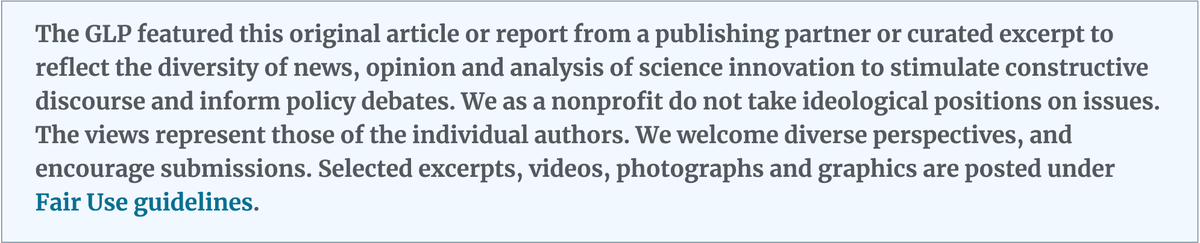
Credit: Preston Keres and USDA via CC0-1.0

To provide input to the federal government as USDA submits its report in March on how to use biotechnology and biomanufacturing for food and agriculture innovation, the Breakthrough Institute sent a letter to the Office of Science and Technology Policy on February 17th.

The letter followed U.S. President Joe Biden’s September issuance of Executive Order 14081 on “Advancing Biotechnology and Biomanufacturing Innovation for a Sustainable, Safe, and Secure American Bioeconomy.” The order prioritizes Federal government support for food and agriculture innovation using biotechnology, including efforts that can “[improve] sustainability and land conservation; [increase] and [protect] agricultural yields; [protect] against plant and animal pests and diseases; and [cultivate] alternative food sources.”

One of the order’s requirements is for the United States Department of Agriculture (USDA), in consultation with relevant agencies, to develop a report assessing the research and development (R&D) needs for biotechnology and biomanufacturing to spur agriculture innovation and then work with the White House’s Office of Science and Technology Policy (OSTP) to develop a subsequent implementation plan.

Last month, the Breakthrough Institute sent a letter to OSTP that identified areas for federal investments in food and agriculture R&D that would utilize promising biotechnologies to support a sustainable bioeconomy and to achieve the Biden administration’s goals around agriculture, food, and climate. The letter highlights Breakthrough’s recent analyses showing how investments in public sector agriculture research and development (including research with biotechnologies) have historically increased productivity, limited land use, reduced emissions, and otherwise improved agriculture’s environmental impacts—and will continue to do so.

Follow the latest news and policy debates on sustainable agriculture, biomedicine, and other ‘disruptive’ innovations. Subscribe to our newsletter.

Between 1949 and 2012, for example, the total acreage used for agriculture in the United States (cropland and pasture) declined by about a fifth, even as agricultural output increased by over twofold. In fact, Breakthrough research has shown that every dollar spent on public agricultural R&D has, on average, generated $20 in benefits for consumers and the broader U.S. economy.

Looking forward, the are several specific biotechnology areas that warrant the Biden administration’s focus in its efforts to drive agricultural innovation, increase yields, and reduce greenhouse gas emissions:

  • Continuing to use biotechnology in conventional breeding to develop crop and animal varieties with improved genetics;

  • Using modern biotechnology techniques such as genetic engineering, gene-editing, and genomics to create varieties with traits that are hard (or impossible) to achieve with conventional breeding methods;

  • Using biotechnology to improve animal agriculture’s sustainability by reducing methane emissions such as with novel biological feed additives or animal vaccines that reduce enteric methane;

  • Developing crop varieties with enhanced root structures to sequester carbon (such as the research supported by the ARPA-E ROOTS program);

  • Supporting R&D for innovative, biological fertilizers such as nitrogen fixing bacteria; and

  • Supporting research for alternative proteins such as cell-cultured and plant-based meat, establishing an Interagency Alternative Protein Initiative, and increasing the biomanufacturing capacity and infrastructure to facilitate the adoption of these new technologies and help products come to the market.

This is an excerpt. Read the original post here

combined disclaimer outlined@ x
donation plea outlined@ x
XLinkedInFacebookRedditBlueskyThreads
podcastsGLP Podcasts & Podcast VideosMore...
Video: Nuclear energy will destroy us? Global warming is an existential threat? Chemicals are massacring bees? Donate to the Green Industrial Complex!

Video: Nuclear energy will destroy us? Global warming is an existential threat? Chemicals are massacring bees? Donate to the Green Industrial Complex!

v facts and fallacies cameron and liza default featured image outlined

GLP podcast: Science journalism is a mess. Here’s how to fix it

Mosquito massacre: Can we safely tackle malaria with a CRISPR gene drive?

Mosquito massacre: Can we safely tackle malaria with a CRISPR gene drive?

dead bee desolate city

Are we facing an ‘Insect Apocalypse’ caused by ‘intensive, industrial’ farming and agricultural chemicals? The media say yes; Science says ‘no’

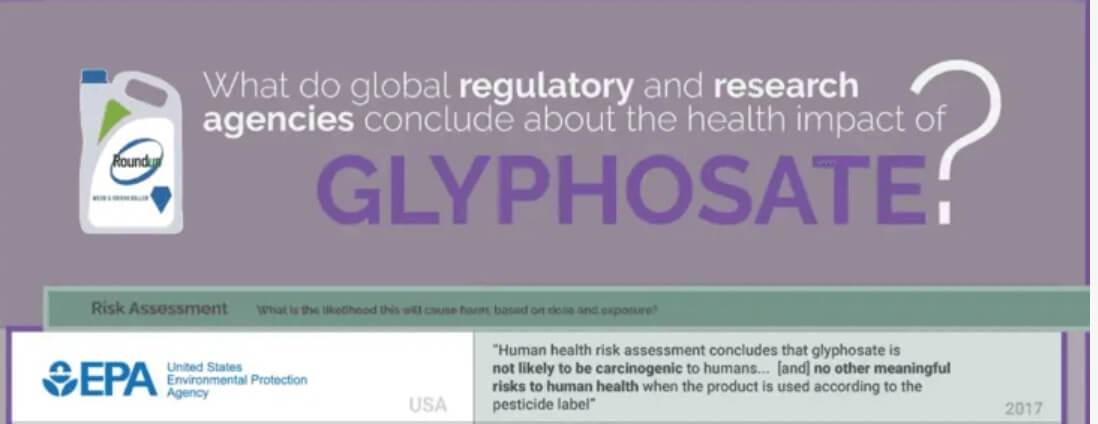
Infographic: Global regulatory and health research agencies on whether glyphosate causes cancer

Infographic: Global regulatory and health research agencies on whether glyphosate causes cancer

Does glyphosate—the world's most heavily-used herbicide—pose serious harm to humans? Is it carcinogenic? Those issues are of both legal and ...
science hand testtube x

Why is there controversy over GMO foods but not GMO drugs?

Genetic Literacy Project
international law x

How are GMOs labeled around the world?
Genetic Literacy Project
two types of breeding x

How does genetic engineering differ from conventional breeding?

Genetic Literacy Project
Screen Shot at AM

Alex Jones: Right-wing conspiracy theorist stokes fear of GMOs, pesticides to sell ‘health supplements’

T H LO

IARC (International Agency for Research on Cancer): Glyphosate cancer determination challenged by world consensus

Most Popular

  • Viewpoint — Fact checking MAHA mythmakers: How wellness influencers and RFK, Jr. undermine American science and health

  • Viewpoint: Video — Big Solar is gobbling up productive agricultural land and hurting farmers yet providing little energy or sustainabilty gains

  • Fighting deforestation with CO2: Biotechnology breakthrough creates sustainable palm oil alternative for cosmetics

  • Trust issues: What happens when therapists use ChatGPT?

  • California, Washington, Oregon forge immunization alliance to safeguard vaccine access against federal undermining

  • 30-year-old tomato line shows genetic resistance to devastating virus

  • The free-range chicken dilemma: Better for birds, but with substantial costs

  • ‘You have to treat the brain first’: Rethinking chronic pain with Sanjay Gupta

Follow Us

Newsletter

Be the first to know about new products and promotions.

Subscribe with your email

Tranding

Tags

trendglee

Fresh, fast, and fun — all the entertainment you need in one place.

© Trendglee. All Rights Reserved. Designed by trendglee