The last issue of
European Seed looked at how different activist groups were spreading ‘
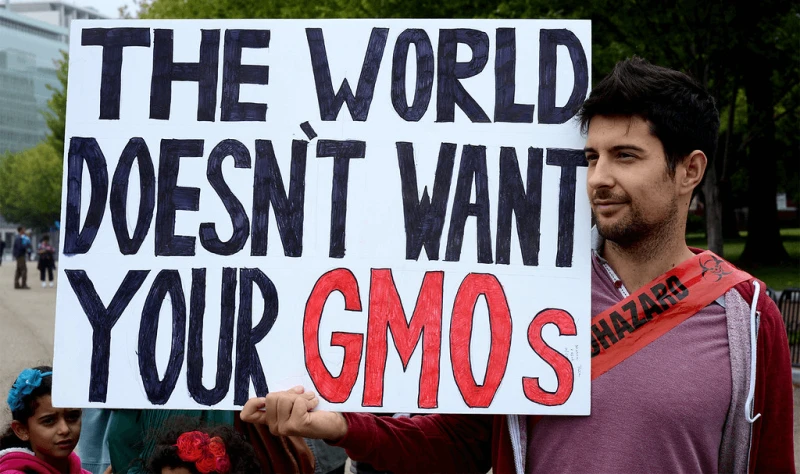
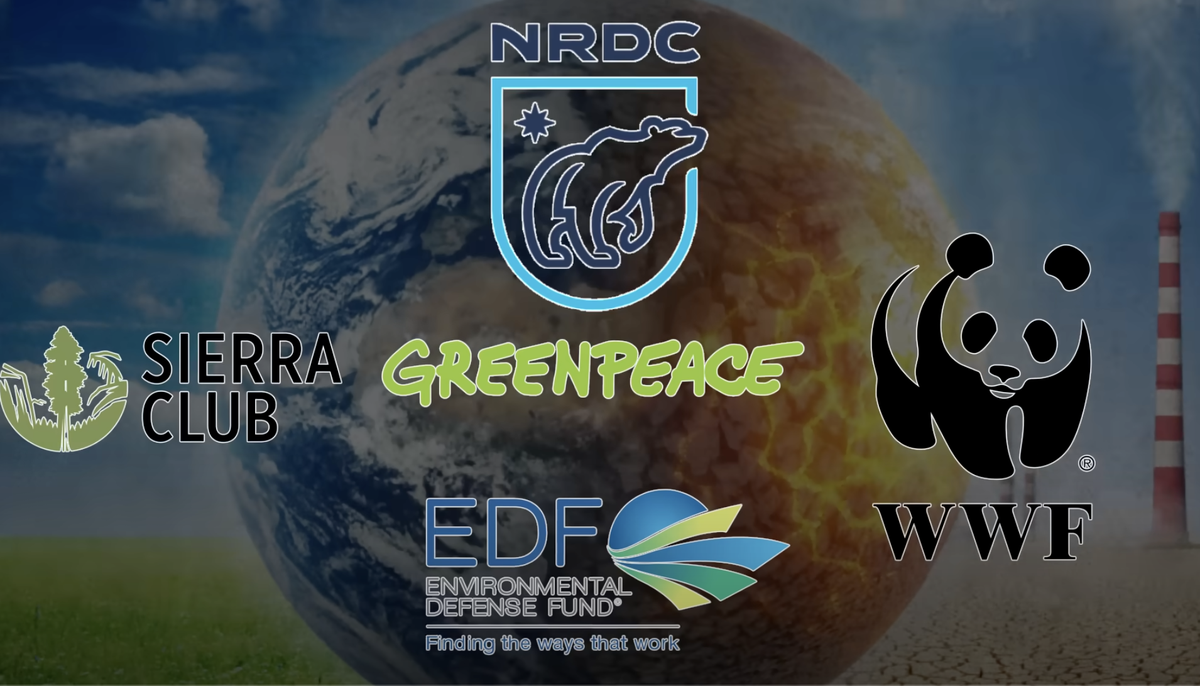
mythinformation’ about seed breeding and conventional agriculture. With so many well-funded anti-ag-tech NGOs running fear campaigns against innovations and industry, it is becoming a challenge to even keep products on the market let alone introduce new technologies.
Research developments (will continue to) solve important problems facing humanity. Technological innovations in plant breeding can address serious issues from climate resilience to biodiversity decline to sustainable intensification to feed a growing (and increasingly affluent) global population. But scientists are facing an activist community that feels a better solution lies in letting the planet heal itself. In reality, they are campaigning to abandon innovative research solutions.
With the world polarised between “wizards and prophets”, there is a need for a positive, science-based, pro-human development approach on environmental issues. The research community needs to get their position heard in an increasingly noisy policy arena by taking on environmental activists at their game: storytelling, benefits and communications campaigns.
Who has been doing the outreach? Companies, universities, individual scientists have all tried, with varying degrees of (limited) success. Should the scientific community form communications organisations to present the technology research message within the policy arena? Should they engage with groups who only want to spread fear and uncertainty?
The challenge is that NGO campaigns often present simplistic, black or white solutions in slogan form. They personally attack people they disagree with, rename technologies with fear-laden, emotional rhetoric and create enemy strawmen out of research-driven companies. Most research organisations and companies have ethical codes of conduct that would forbid such tactics.
From ecomodernism to technology NGOs
It used to be called “ecomodernism”: promoting technologies to protect nature and improve well-being. But now several groups of young, independent scientists have formed NGOs to try to counter the disinformation spread by well-funded environmental activist campaigns. I know many of these individuals from within my networks and I completely understand their frustration with the way scientific solutions have been downplayed or rejected in policy debates.
Their science-based NGOs are seeking a different approach to solving the key environmental challenges humanity faces by running activist-style campaigns to promote innovative technologies (particularly in food and energy production).
I learned about several groups when I was recommended to go to a March event in Brussels called: “Give Genes a Chance”.
The Eco-Progressive Network (ÖkoProg) is an organisation based in Germany that sees the future needs of humanity being met only through the “progression of society, economy and technology under evidence-based sustainability criteria”. Eco-progressivism contrasts with the eco-reactionary approach (taken by most environmental NGOs) who argue the only way to have a sustainable lifestyle is to revert back to some past way of doing things.
The GeneSprout Initiative aims to engage in open dialogue on the future of agriculture and new plant breeding techniques (NPBTs). Following the 2018 decision by the European Court of Justice that NPBTs were to be regulated under the 2001 GMO Directive, a group of young plant scientists came forward to campaign for better understanding of the safety and benefits of plant breeding technologies.
RePlanet presents itself as “new kind of environmental movement with a radical, science-backed plan to repair the damage to our precious starship Earth”. With a focus on the urgency to find solutions to address climate change, RePlanet concentrates their messaging on the best technologies to improve agriculture, development, energy sources and biodiversity. Their ambition is to save the planet through science.
Tactics or tactility
There are, however, some risks with this approach. I worry about some in these pro-science groups falling into their own campaign rhetoric traps. Activists alienate publics when they aggressively or impatiently push their solutions on others without dialogue or compromise.
Few will deny the urgent need for sustainable intensification of agriculture, and I have made many arguments in these columns over the years on how seed breeders must be at the forefront of this challenge. But when RePlanet, for example, launched their Reboot Food campaign jumping to the conclusion that we must simply stop livestock farming (while paying homage to George Monbiot), I expect it will alienate people working on less radical solutions to lower CO2 emissions without forcing radical lifestyle changes.
For campaigns to be successful, they need to have simple answers to solve well-identified problems. But complex problems rarely have simple, immediate solutions. The science on food security is anything but simple and I fear that a group of pro-science activists, however well-intentioned, who call to ban widely accepted cultural practices will not be adding value to the science and technology dialogue process. Intolerant activist campaigns cannot be dispelled with intolerant scientism.
What is needed is less impertinence and more patience, fewer campaigns and more comprehension, less idealism and more realism.
More information:
https://oekoprog.org/en/startseite-english/
https://www.genesproutinitiative.com/
https://www.replanet.ngo/
View the flipbook here.
David Zaruk has been an EU risk and science communications specialist since 2000, active in EU policy events from REACH and SCALE to the Pesticides Directive, from Science in Society questions to the use of the Precautionary Principle. Follow him on Twitter @zaruk
A version of this article was originally posted at European Seed and has been reposted here with permission. Any reposting should credit the original author and provide links to both the GLP and the original article. Find European Seed on Twitter @EuropeanSeed















 Viewpoint — Fact checking MAHA mythmakers: How wellness influencers and RFK, Jr. undermine American science and health
 Viewpoint: Video — Big Solar is gobbling up productive agricultural land and hurting farmers yet providing little energy or sustainabilty gains
 Fighting deforestation with CO2: Biotechnology breakthrough creates sustainable palm oil alternative for cosmetics
 Trust issues: What happens when therapists use ChatGPT?
 California, Washington, Oregon forge immunization alliance to safeguard vaccine access against federal undermining
 30-year-old tomato line shows genetic resistance to devastating virus
 The free-range chicken dilemma: Better for birds, but with substantial costs
 ‘You have to treat the brain first’: Rethinking chronic pain with Sanjay Gupta