Nigeria is ready to meet strong farmer demand for GMO cowpea seeds

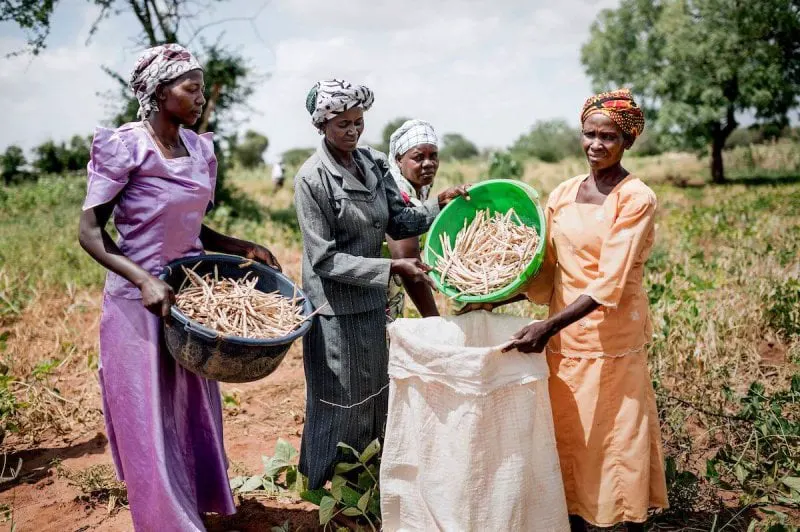
Though last year’s demand outstripped the supply, the public sector scientists who developed Nigeria’s first GM food crop — the pod borer-resistant (PBR) cowpea, or SAMPEA 20T — say they have gone to great measures to make sure farmers can obtain certified seeds this season.
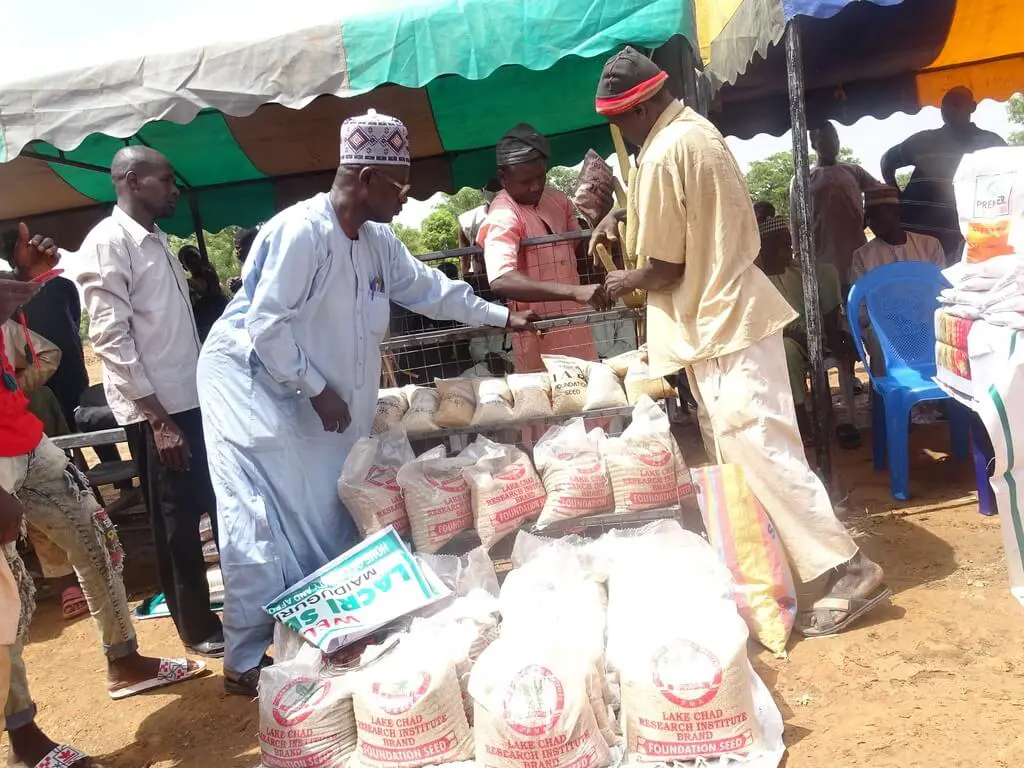
Some 2,000 farmers planted the improved seeds in 2021 — a number expected to triple this year, said Prof. Mohammad Ishiyaku, executive director of Institute for Agricultural Research (IAR) and principal investigator of the PBR project in Nigeria. In response, researchers are expanding seed production eight-fold from the 10,000 tonnes available last year.
Farmers last year reported they were able to achieve higher yields and significantly reduce their use of pesticides by growing GM cowpea, which provides inherent protection from the destructive pod borer pest.
Dr. Rose Gidado, country coordinator for the Nigeria chapter of the Open Forum on Agricultural Biotechnology, said farmers who want to grow the crop this year should be able to obtain seeds.
“The demand was so high and is getting higher and higher because those farmers that planted last year had very overwhelming, exciting stories and more people want to get involved,” she said. “Even people who are not regular farmers — civil servants, public servants, etc. — now want to plant PBR cowpea.”
Dr. Onyekachi Nwankwo, West Africa representative for the Africa Agricultural Technology Foundation (AATF), said Nigeria had initially planned for 10,000 tonnes of certified seeds last year but was only able to produce 3,000 — resulting in a shortfall. He attributed the deficit to poor management of seed multiplication by contract farmers, drought and insecurity problems.
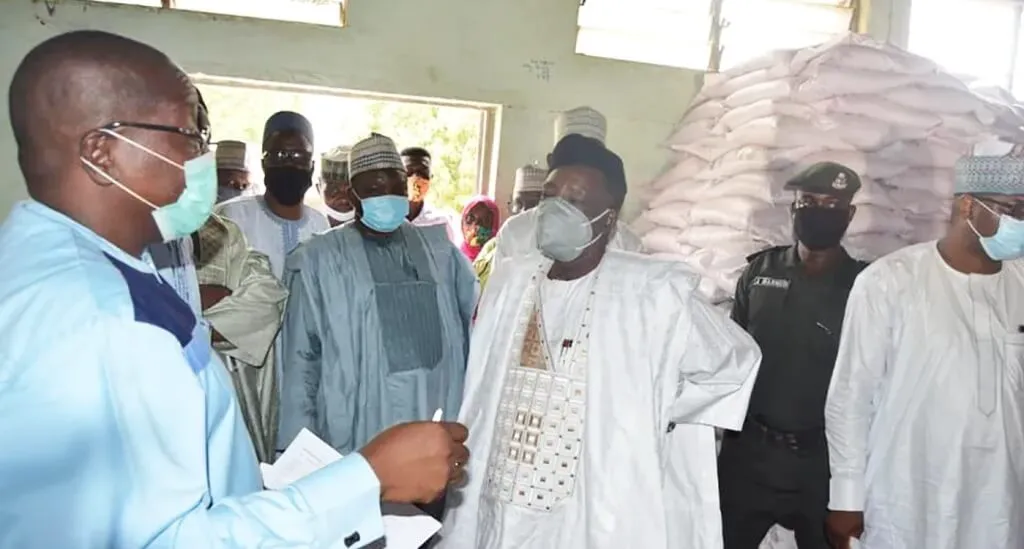
In response, scientists and farmers planted seed stock during the normal cropping season and used irrigation to grow during the dry season in hopes of meeting farmer demand this year, Nwankwo said.
Researchers also trained more seed companies and seed certification officers on production guides and certification-related issues to ensure the availability of quality seed. Additionally, the IAR, as well as Maina Seeds, Tecni Seeds and SARO Agrosciences, produced more seeds during the off-season to ensure seed supply meets demand in the coming season.
“To be conservative, we are expecting between 60,000 to 80,000 tonnes of seed for the next cropping season, and it is going to increase progressively as the years go by,” Nwankwo said.
Farmers are growing GM cowpea in all in 36 states of the Federation, including the Federal Capital Territory (FCT), Ishiyaku said.
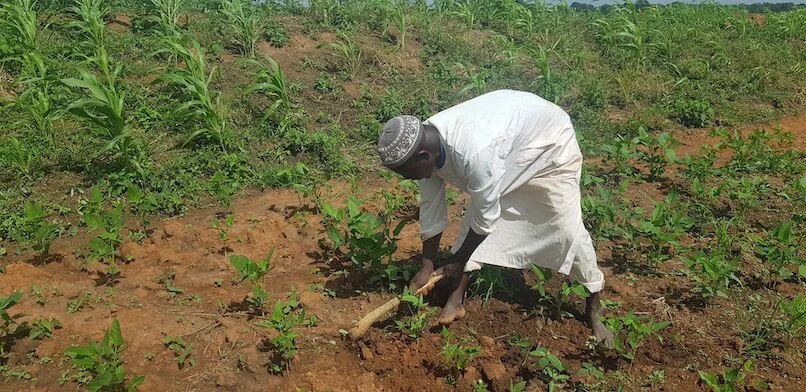
Gidado noted that the administration of President Muhammadu Buhari “has directed that we grow what we eat and eat what we grow.” Researchers improved the cowpea variety preferred by Nigerian farmers to add traits that can help growers overcome the serious problem of crop loss due to pod borer infestation and reduce the need to import the popular food, known as beans.
Even though the start of the planting season varies — it begins in June in the north-western region and in August in the northeast and north-central regions — farmers across the country will have enough sufficient seed supply because seed production is higher, she assured.
Nkechi Isaac is a deputy editor with Leadership Newspaper, a national publication headquartered in Abuja, Nigeria. She frequently covers biotechnology and biosafety issues. Follow her on Twitter @enkaybc
A version of this article was originally posted at the Cornell Alliance for Science and has been reposted here with permission. The Cornell Alliance for Science can be found on Twitter @ScienceAlly

 | Videos | More... |
Video: Nuclear energy will destroy us? Global warming is an existential threat? Chemicals are massacring bees? Donate to the Green Industrial Complex!
 | Bees & Pollinators | More... |

GLP podcast: Science journalism is a mess. Here’s how to fix it

Mosquito massacre: Can we safely tackle malaria with a CRISPR gene drive?

Are we facing an ‘Insect Apocalypse’ caused by ‘intensive, industrial’ farming and agricultural chemicals? The media say yes; Science says ‘no’
 | Infographics | More... |

Infographic: Global regulatory and health research agencies on whether glyphosate causes cancer
 | GMO FAQs | More... |

Why is there controversy over GMO foods but not GMO drugs?

How are GMOs labeled around the world?

How does genetic engineering differ from conventional breeding?
 | GLP Profiles | More... |

Alex Jones: Right-wing conspiracy theorist stokes fear of GMOs, pesticides to sell ‘health supplements’

 Viewpoint — Fact checking MAHA mythmakers: How wellness influencers and RFK, Jr. undermine American science and health
 Viewpoint: Video — Big Solar is gobbling up productive agricultural land and hurting farmers yet providing little energy or sustainabilty gains
 Fighting deforestation with CO2: Biotechnology breakthrough creates sustainable palm oil alternative for cosmetics
 Trust issues: What happens when therapists use ChatGPT?
 California, Washington, Oregon forge immunization alliance to safeguard vaccine access against federal undermining
 30-year-old tomato line shows genetic resistance to devastating virus
 The free-range chicken dilemma: Better for birds, but with substantial costs
 ‘You have to treat the brain first’: Rethinking chronic pain with Sanjay Gupta