Nigeria moves to import GM wheat to lower local food prices

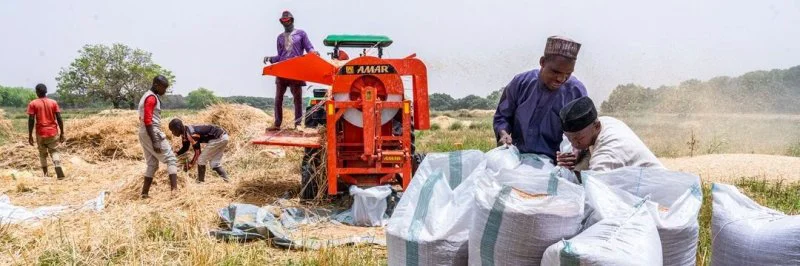
Imports of the GM wheat — patented by Argentina’s Bioceres Crop Solutions — could help augment production by Nigeria’s wheat industry, which is in dire straits, said Dr. Rufus Ebegba, director-general of the. National Biosafety Management Agency.
Wheat is the third most consumed grain in Nigeria after corn and rice. The country’s 200 million citizens use it to produce flour, pasta, semolina, noodles, wheat meal and biscuits.
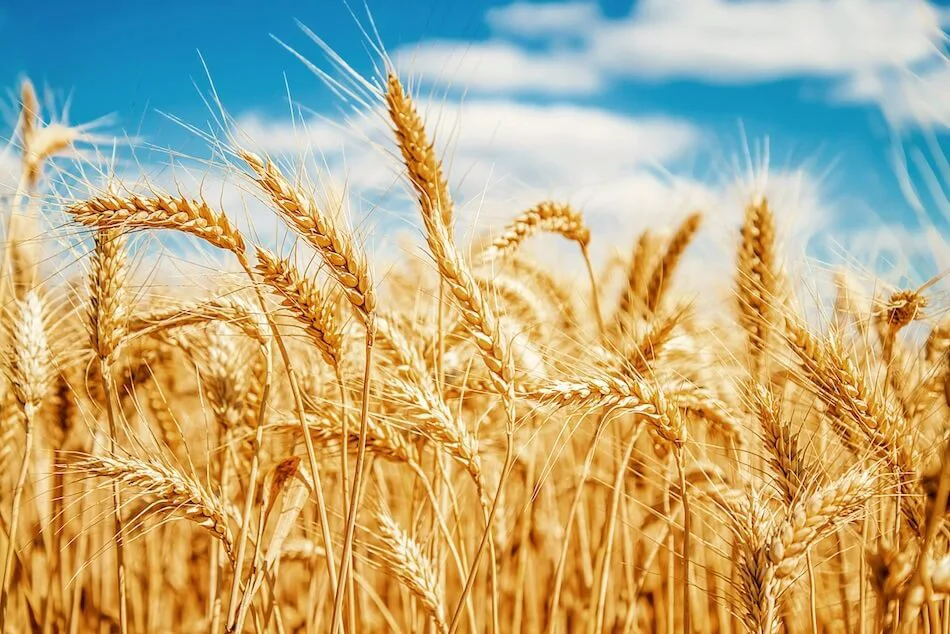
However, Nigeria produces just 60,000 metric tonnes to meet an annual demand of between 4.5 and 5.0 million tonnes, leaving a huge deficit, according to a report by the National Bureau of Statistics (NBS). Nigeria imports wheat from Russia and other countries surrounding the Black Sea, but the ongoing war between Russia and Ukraine has led to an increase in the price of wheat-based products, such as bread, which serve as a ready meal for most homes in Nigeria.

Ernest Okoli, an Abuja-based bakery owner, said the rising price of wheat has triggered an astronomical increase in the price of bread. He lamented that unless the government intervenes and drives down the price of wheat, most bakeries might soon fold because they do not break even anymore, given the high price of wheat.
So Nigeria is turning to the climate-smart products of biotechnology to help supplement its insufficient wheat production and reduce its import costs.
Ebegba said the NBMA will be accepting public comments on the application dossier filed by Trigall Genetics S. A. through July 11. He told the Alliance for Science that the application for importation simply means that Nigeria can import the GM wheat for food and processing, but not for planting.
Nigeria has already commercialized its first GM food crop, the pod borer-resistant (PBR) cowpea, and previously approved insect-resistant Bt cotton. It has also approved the import of GM corn for food and processing. Opening the door to GM wheat would further solidify Nigeria’s role as a continent leader in agricultural biotechnology,
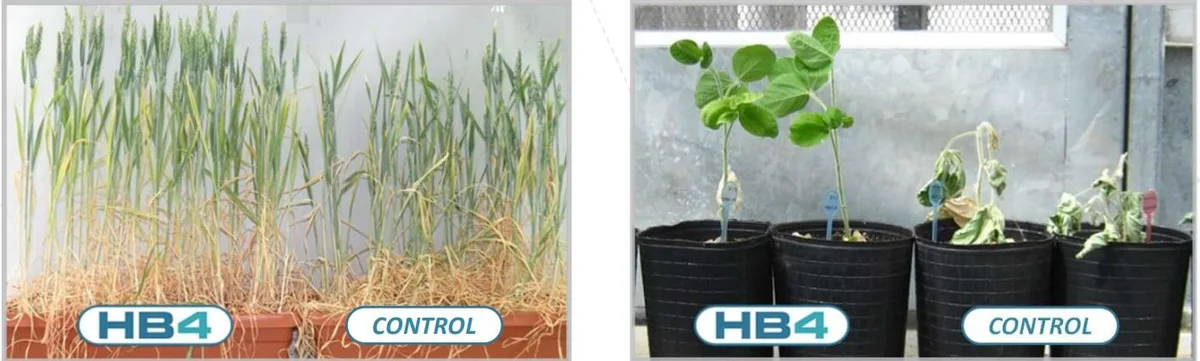
Dr. Raquel Chan, the Argentinian lead scientist who launched the GM wheat journey, told the Alliance for Science that GM drought-tolerant wheat is making headlines across the world because of the global grain crisis and resulting food shortages caused by the Russia-Ukraine war.
Chan explained that laboratory research is just the beginning of the development of any GM product. She emphasized that it goes through various rigorous regulatory reviews before it can be certified safe.
“The regulatory process is long, requiring many trials and demonstrations in different locations and during several campaigns,” she said. “It must be shown that the GMO in question does not impact the environment or animal or human health in comparison to the crop from which it comes.”
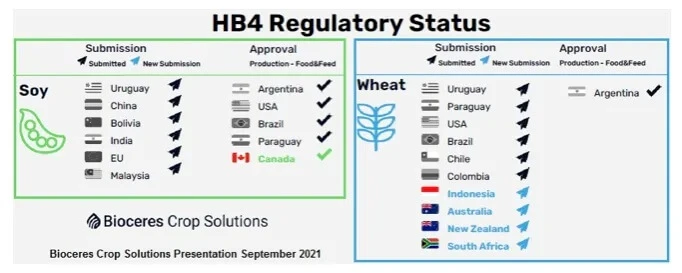
Corroborating her claim, Ebegba noted that though NBMA hasn’t gotten any comments from the public, it seems the product developers engaged in stringent due processes before its environmental release in Argentina.
“Even though it is for food, feed and processing, we also look at the environmental risk assessment and food safety assessment,” he said. “So, all these also fit into the environmental release conditions.”
“We have conducted the risk assessment analysis. If there are no serious concerns, we will grant them approval. If we have or observe serious concerns, we’ll take a critical look [at them]. If there are no management strategies to address those concerns the approval will not be granted,” Ebega explained. “So far, [given] the facts we have been presented, I think the risk assessment was properly carried out.”
If GM wheat gets a positive nod from the agency, an effective date for its importation will be set, he said. Imports can then commence if the requirements of other government agencies in charge of border control are met.
“They will still have to meet the conditions of other agencies like the Nigeria Customs Service, Nigeria Quarantine Service and other agencies for the import of such products,” he added.
Nkechi Isaac is a deputy editor with Leadership Newspaper, a national publication headquartered in Abuja, Nigeria. She frequently covers biotechnology and biosafety issues. Follow her on Twitter @enkaybc
A version of this article was originally posted at the Cornell Alliance for Science and has been reposted here with permission. The Cornell Alliance for Science can be found on Twitter @ScienceAlly
 | Videos | More... |
Video: Nuclear energy will destroy us? Global warming is an existential threat? Chemicals are massacring bees? Donate to the Green Industrial Complex!
 | Bees & Pollinators | More... |

GLP podcast: Science journalism is a mess. Here’s how to fix it

Mosquito massacre: Can we safely tackle malaria with a CRISPR gene drive?

Are we facing an ‘Insect Apocalypse’ caused by ‘intensive, industrial’ farming and agricultural chemicals? The media say yes; Science says ‘no’
 | Infographics | More... |

Infographic: Global regulatory and health research agencies on whether glyphosate causes cancer
 | GMO FAQs | More... |

Why is there controversy over GMO foods but not GMO drugs?

How are GMOs labeled around the world?
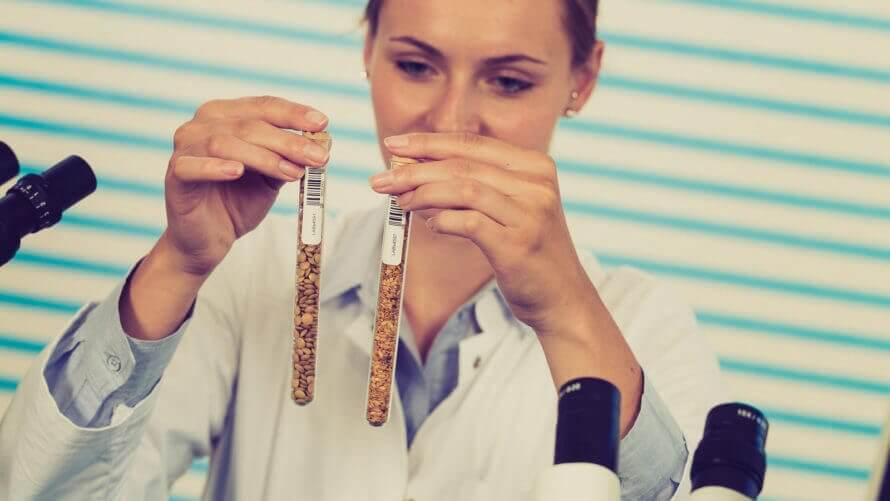
How does genetic engineering differ from conventional breeding?
 | GLP Profiles | More... |

Alex Jones: Right-wing conspiracy theorist stokes fear of GMOs, pesticides to sell ‘health supplements’

 Viewpoint — Fact checking MAHA mythmakers: How wellness influencers and RFK, Jr. undermine American science and health
 Viewpoint: Video — Big Solar is gobbling up productive agricultural land and hurting farmers yet providing little energy or sustainabilty gains
 Fighting deforestation with CO2: Biotechnology breakthrough creates sustainable palm oil alternative for cosmetics
 Trust issues: What happens when therapists use ChatGPT?
 California, Washington, Oregon forge immunization alliance to safeguard vaccine access against federal undermining
 30-year-old tomato line shows genetic resistance to devastating virus
 The free-range chicken dilemma: Better for birds, but with substantial costs
 ‘You have to treat the brain first’: Rethinking chronic pain with Sanjay Gupta