Partnership on track to give Bangladeshi and Indonesian farmers disease-resistant GMO potatoes

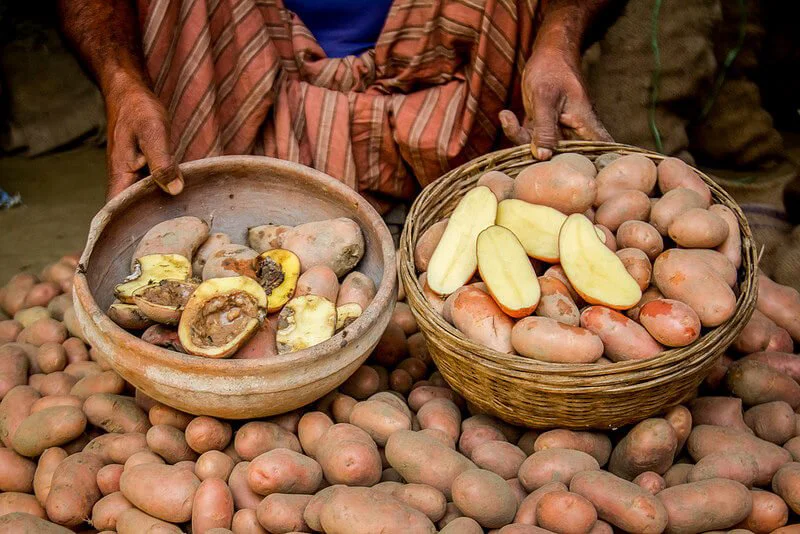
Multiple confined field trials of GM late blight-resistant (LBR) potatoes will be conducted in both countries under a Feed the Future Global Biotech Potato Partnership.
Potatoes are some of the most important crops grown in Indonesia and Bangladesh. Indonesia produces about 1.3 million metric tones of potatoes annually, while the tubers are the third most important food crop after rice and wheat in Bangladesh.
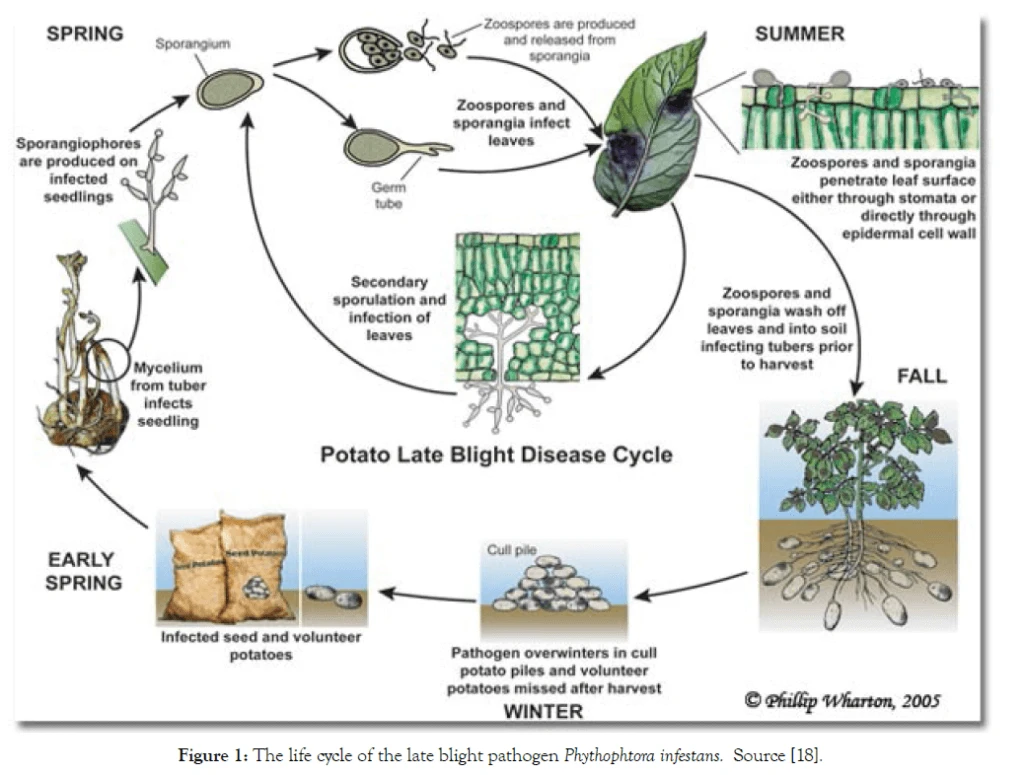
But late blight disease is a serious problem in both countries, destroying 25 to 57 percent of the crop.
Unlike other pathogens, late blight — or Phytophthora infestans — can be complicated to control once it has appeared and farmers can actually see it, said Janet Fierro, communication and advocacy global resource lead at the Feed the Future Global Biotech Potato Partnership.
So, farmers begin to spray fungicides very early in the cropping cycle to stop the fungus from appearing. In some cases, farmers in Indonesia spray between 20 and 30 times during the growing season, which can last 75 to 160 days.
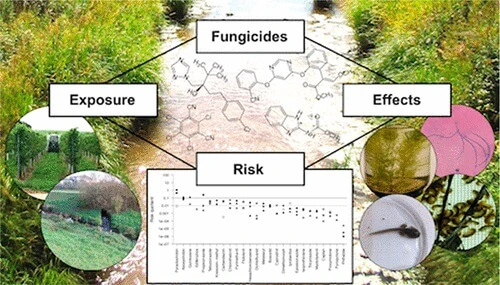
But this can be expensive for smallholder farmers, Fierro said. The synthetic chemicals applied also can adversely affect human and environmental health if not used properly.
However, the GM potato promises to change all that. It is expected to reduce fungicide applications by 90 percent.
Partnership progress
Under a partnership funded by the United States Agency for International Development, Michigan State University (MSU), the Bangladesh Agricultural Research Institute (BARI) and the Indonesian Center for Agricultural Biotechnology Genetic Resources Research and Development, among others, are working to develop and commercialize an LBR potato in farmer-preferred varieties in Indonesia and Bangladesh.
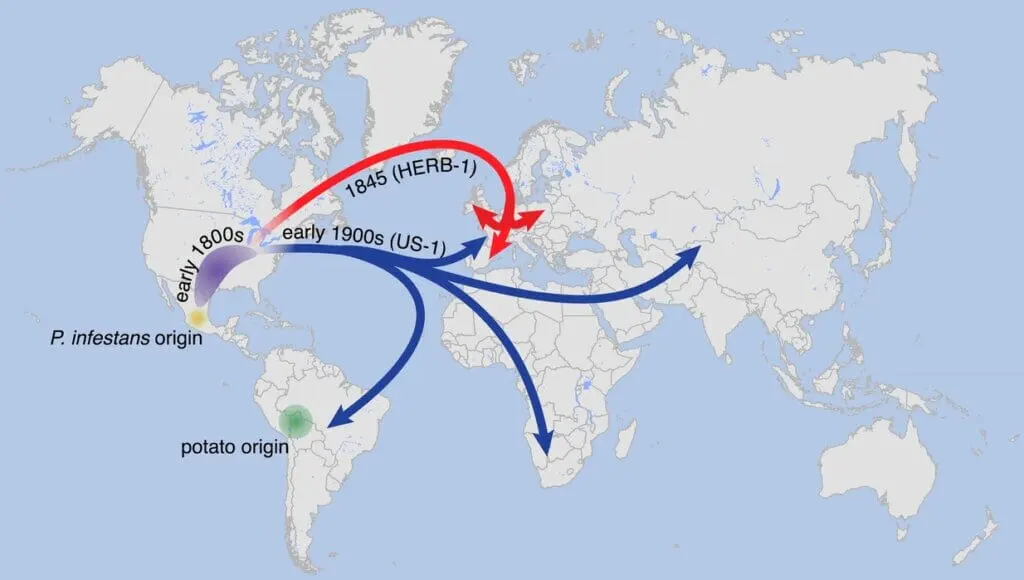
Researchers in the partnership isolated late blight-resistant genes from wild potato species in South America and transferred them into farmer-preferred Asian varieties, using genetic modification.
Then researchers at Simplot Plant Sciences screened more than 30,000 potato varieties until they zeroed in on the 10 best performing lines. Simplot sent the 10 selected lines to MSU for further greenhouse and field trials, which identified lines that were then imported into Indonesia and Bangladesh.
Indonesia has already conducted several field trials with the lines and Bangladesh recently completed a greenhouse trial. Results have shown the lines provide complete resistance to late blight disease.
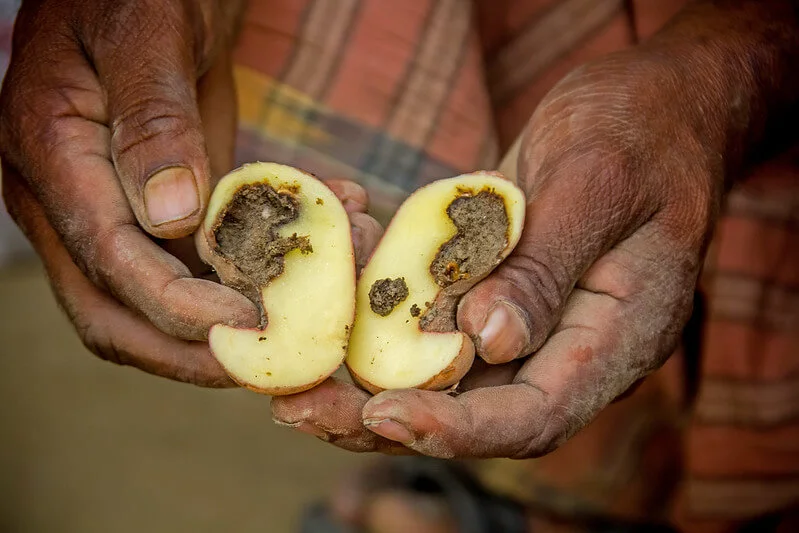
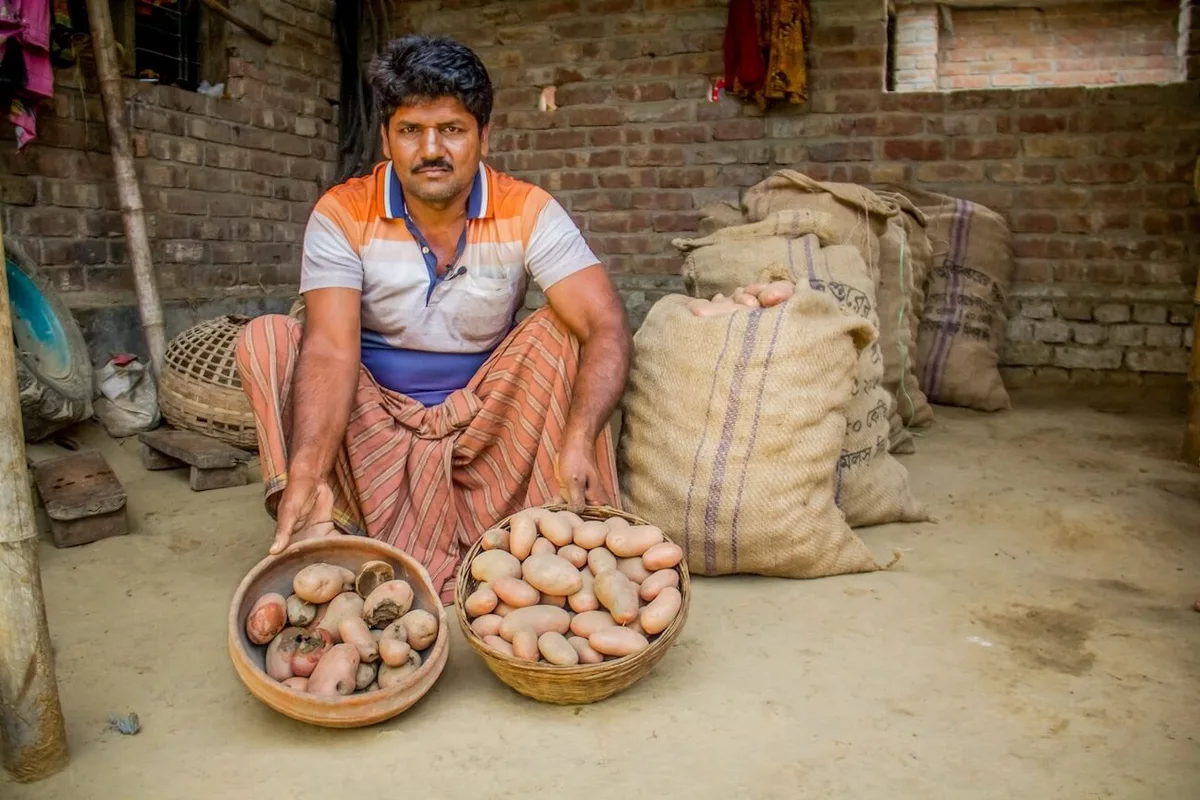
A close-up of a potato ruined by late blight disease. Credit: Alliance for Science
“All of our research and data shows that this is a good product,” said Muffy Koch, senior regulatory manager at J.R. Simplot Co. “It is late blight-resistant and very safe.”
Data also show that the LBR potato performs “extremely well” in Indonesia’s humid areas.
Scientists in Bangladesh and Indonesia will now test LBR potato in multiple confined field trials to collect the necessary data to submit a regulatory dossier for general release.
Researchers have already applied for permits in Bangladesh to start the multiple confined field trials and hope to plant the varieties during the next planting season in November.
“It’s a lengthy process,” Fierro said. “So, we will probably go through at least two or three cycles of multi-location field trials before we test the varieties in farmer fields.”
Farmers eager
Farmers should begin to access the varieties in the next three to four years, pending regulatory approval, she said.
The researchers do not expect delays related to biosafety regulations once the varieties have gone through all the required processes.
“Both Indonesia and Bangladesh have functioning regulatory systems,” Koch said. “And Indonesia has already approved growing GM cotton and GM sugar cane while Bangladesh has approved planting of insect resistant eggplant [Bt brinjal]. So, there is precedent that things are working.”
And farmers want the varieties.
“Farmers are familiar with the idea of improved seeds because they have seen the successes of Bt eggplant,” Koch said. “The performance of Bt eggplant has showed them that they can actually spend less on inputs and harvest more when they plant these improved seeds.”
“We have also had studies that show how Bt eggplant has improved farmers’ lives in Bangladesh and how it is safe,” Koch added. “All of this has driven the demand for adoption of these technologies.”
Fierro said farmers she visited in Indonesia and Bangladesh are “very excited about this potato. They have seen what the potato looks like and can do. They are excited about the opportunity and potential this potato can give them.”
It appears the potential is huge. Apart from stabilizing crop yields, the late blight-resistant potato will significantly cut reliance on fungicides.
“Farmers will not have to spend [money] on fungicides that could be harmful to their health and environment,” said Fierro. “We expect that these improved late blight resistant varieties will reduce reliance on fungicide sprays by up to 90 percent.”
John Agaba is a journalist based in Kampala, Uganda. Find John on Twitter @jonnyagaba
A version of this article was originally posted at the Cornell Alliance for Science and has been reposted here with permission. The Cornell Alliance for Science can be found on Twitter @ScienceAlly
 | Videos | More... |

Video: Nuclear energy will destroy us? Global warming is an existential threat? Chemicals are massacring bees? Donate to the Green Industrial Complex!
 | Bees & Pollinators | More... |

GLP podcast: Science journalism is a mess. Here’s how to fix it

Mosquito massacre: Can we safely tackle malaria with a CRISPR gene drive?

Are we facing an ‘Insect Apocalypse’ caused by ‘intensive, industrial’ farming and agricultural chemicals? The media say yes; Science says ‘no’
 | Infographics | More... |

Infographic: Global regulatory and health research agencies on whether glyphosate causes cancer
 | GMO FAQs | More... |

Why is there controversy over GMO foods but not GMO drugs?

How are GMOs labeled around the world?

How does genetic engineering differ from conventional breeding?
 | GLP Profiles | More... |

Alex Jones: Right-wing conspiracy theorist stokes fear of GMOs, pesticides to sell ‘health supplements’

 Viewpoint — Fact checking MAHA mythmakers: How wellness influencers and RFK, Jr. undermine American science and health
 Viewpoint: Video — Big Solar is gobbling up productive agricultural land and hurting farmers yet providing little energy or sustainabilty gains
 Fighting deforestation with CO2: Biotechnology breakthrough creates sustainable palm oil alternative for cosmetics
 Trust issues: What happens when therapists use ChatGPT?
 California, Washington, Oregon forge immunization alliance to safeguard vaccine access against federal undermining
 30-year-old tomato line shows genetic resistance to devastating virus
 The free-range chicken dilemma: Better for birds, but with substantial costs
 ‘You have to treat the brain first’: Rethinking chronic pain with Sanjay Gupta