Research Investigates Impact of Climate Change on the Iconic Red Crabs of Christmas Island
Research Investigates Impact of Climate Change on the Iconic Red Crabs of Christmas Island
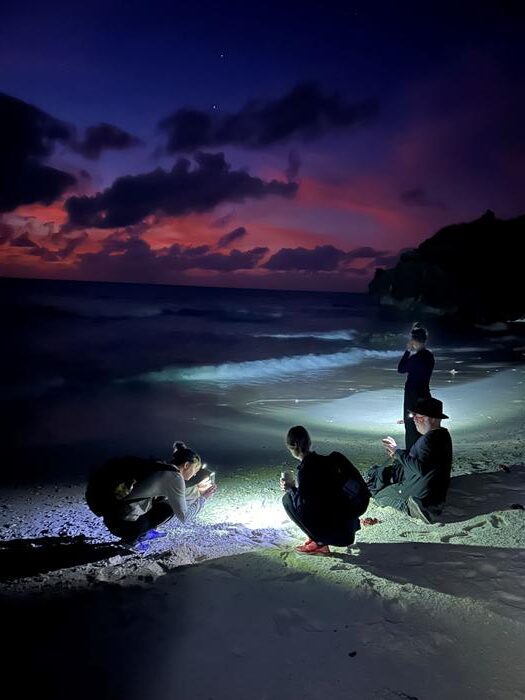
The stunning annual migration of Christmas Island’s red crabs, one of nature’s most remarkable spectacles, has drawn attention from researchers worldwide. These crabs, approximately 120 million strong, embark on a perilous journey from their terrestrial habitats to the ocean, creating an overwhelming scene along the island’s picturesque beaches. Scientists are drawn to this unique phenomenon, but there are growing concerns about how climate change may influence this iconic migration and the crabs’ overall survival.
Recent investigations led by researchers from the University of Plymouth delve into the potential impacts of changing environmental conditions on the early developmental stages of these crabs, specifically focusing on salinity levels. As climate change leads to unpredictable weather patterns across tropical regions, researchers have raised alarms about increased rainfall during the monsoon seasons, potentially influencing the salinity of coastal waters. The study took a closer look at whether reduced salinity levels could hinder the normal development of crab embryos.
The researchers concentrated on the late-stage embryos of the red crab species, known scientifically as Gecarcoidea natalis. This species has evolved adaptive traits to thrive in the island’s distinctive ecological system, but climate factors are increasingly jeopardizing its delicate balance. The study aimed to analyze the implications of lower salinity levels on the embryos’ development, contrasting the crabs’ natural responses against expected shifts in their environment.
By experimentally exposing fertilized embryos to varying degrees of seawater salinity, the research team sought to uncover possible disruptions in the timing of critical developmental events. These events include heartbeats, hatching rates, and overall movement patterns after hatching. Utilizing advanced technology developed by the EmbryoPhenomics Research Group known as LabEmbryoCam, the researchers could capture minute developmental processes every ten seconds over a 24-hour period, thus providing unprecedented insights into the embryos’ responses.
Remarkably, the experimental results revealed that salinity variations did not adversely affect the timing of significant developmental milestones. The embryos displayed no changes in their first heartbeat, the timing of hatching, or post-hatch movement patterns. These outcomes might initially seem promising for the species, suggesting that short-term salinity fluctuations may not threaten their early life stages.
Despite these seemingly positive findings, the researchers cautioned against drawing premature conclusions. Important nuances in ecological dynamics are present, and focusing solely on one environmental stressor during a limited observation window may obscure broader risks. The implications of climate change are pervasive, and countless factors will likely affect crab populations in ways that this single study could not unravel. The complexities of climate stresses can affect crabs at various developmental stages, necessitating a more comprehensive approach to future research.
Dr. Lucy Turner, the principal investigator and a lecturer in marine biology at the University of Plymouth, expressed enthusiasm for these findings but emphasized the need for further studies. "Christmas Island crabs are an enigma in many ways," Turner remarked. "Knowledge gaps remain in terms of how these creatures will respond to a multitude of environmental stressors. The absence of noticeable effects is intriguing, but we must broaden our understanding to ensure robust conservation strategies."
The research findings were announced in the esteemed Journal of Experimental Biology, highlighting their significant contribution to understanding how environmental changes may affect marine life. The study reinforces the need for continued exploration of how species adapt, survive, and thrive in ever-changing climates, particularly the intricacies surrounding the ecological roles that entities like Gecarcoidea natalis fulfill.
The research team, comprised of scientists and graduates from the University of Plymouth’s highly regarded Marine Biology program, conducted their study during a field trip to Christmas Island. They transported the LabEmbryoCam, a state-of-the-art imaging tool, to the remote location to facilitate real-time embryo analysis. This pioneering technology enabled them to document developmental changes with unprecedented precision, ultimately illuminating how fluctuating salinity levels may influence crab lifecycles.
As attention increasingly turns towards the role marine species play in their ecosystems, and the need for effective conservation strategies becomes paramount, studies such as this underscore vital data gaps. Predictive models regarding climate change’s impacts on marine organisms hinge on understanding early developmental processes, which can set the stage for future population dynamics.
In summary, while the initial results pertaining to lower salinity demonstrate resilience in Gecarcoidea natalis embryos, the research highlights the complexity of environmental interactions. Further investigation is essential to uncover the multifaceted consequences that climate change will impose on this iconic species. A broader lens is required to evaluate not only salinity shifts but also additional environmental stressors that may pose future threats to these crabs and their spectacular migratory behavior.
As the scientific community gathers more data surrounding these issues, there is a unified call for conservation efforts aimed at protecting vulnerable species during uncertain climate transitions. Collaborative research and outreach endeavors will be critical in safeguarding not just the red crabs of Christmas Island, but the myriad of marine life reliant on stable ecosystems.
Furthermore, expanding investigations surrounding this subject may yield insights applicable to various marine organisms facing climate threats worldwide. The lessons learned from studying the red crab’s response could resonate beyond their specific habitat, providing a foundation for ecological resilience in the face of environmental change.
Subject of Research: Animals
Article Title: Salinity does not affect late-stage in-egg embryonic or immediate post-hatch development in an ecologically important land crab species
News Publication Date: 23-Jan-2025
Web References: Link to Journal
References: Journal of Experimental Biology
Image Credits: University of Plymouth
Keywords: Crustaceans, Environmental methods, Salinity, Seasonal changes, Image analysis, Embryonic stages, Environmental stresses, Animal migration, Beaches, Marine life, Tropical climates, Rain, Monsoons, Embryos, Developmental biology, Marine conservation, Climate change.
Revolutionizing Engineering: The Impact of AI Advancements
Next PostBoston University Study Reveals Link Between Microplastics and Antibiotic Resistance
Related Posts

Dynamic Ion Transport Theory in Electrochemical Ion Pumping
New Study Unveils the Dynamic Movements of Wild Octopus Arms
In how many ways can an octopus flex its flexible arms? Discover the surprising science behind it in our latest magazine post!
Global Research Consortium Explores Environmental Effects of Deep-Sea Mining
Boosting Denitrification and Cutting N2O via Glyoxylate Shunt