Research Spotlight: New ‘Cell Line Atlas’ Advances Therapy Development for Biliary Tract Cancer
Research Spotlight: New ‘Cell Line Atlas’ Advances Therapy Development for Biliary Tract Cancer
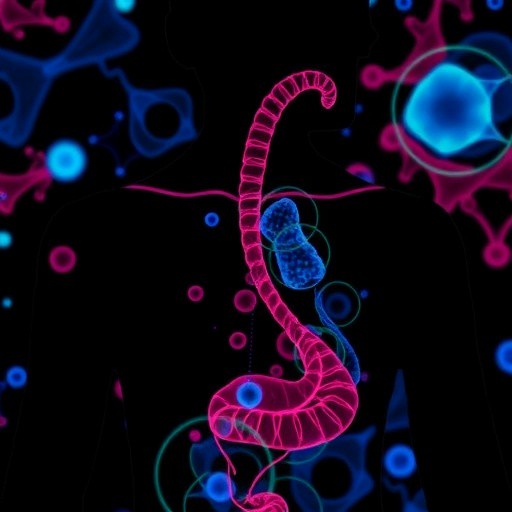
Biliary tract cancers (BTC) represent a formidable challenge in oncology, encompassing a diverse and aggressive group of malignancies originating in the bile ducts, gallbladder, and ampullary region. Despite their rarity, these cancers carry some of the poorest prognoses among solid tumors, with a dismal five-year survival rate hovering around 10 percent. Conventional treatments—primarily chemotherapy combined with immunotherapy—offer limited efficacy, and only a small subset of patients benefits from targeted therapies aimed at specific genetic mutations. The urgent need for more precise and effective therapeutic strategies has propelled researchers toward a deeper understanding of the molecular complexities underlying BTC.
Recently, a landmark study published in Cancer Discovery unveiled an ambitious effort to systematically redefine the landscape of biliary tract cancer at a molecular level. This endeavor involved the generation of an expansive ‘cell line atlas’—a comprehensive resource comprising nearly 60 patient-derived BTC cell lines that capture the genetic and biological diversity of these tumors. By fundamentally expanding the repertoire of experimental models and integrating cutting-edge genomic, proteomic, and functional screening technologies, this atlas serves as a platform to unravel BTC’s intricate molecular subtypes and unmask novel therapeutic vulnerabilities.
The creation of these cell lines was no trivial feat. Historically, the scarcity of well-characterized preclinical models reflecting the complexity of BTC has hindered progress in therapeutic development. The team behind this study successfully established around 30 new cell lines, nearly doubling the existing collection. Each model underwent rigorous molecular profiling, including whole-genome sequencing, transcriptomic and proteomic analyses, accompanied by large-scale CRISPR-Cas9 genetic dependency screens. These high-throughput approaches enable the identification of essential genes for cancer cell survival and proliferation, pinpointing potential Achilles’ heels that could be exploited pharmacologically.
One of the study’s pivotal achievements is the molecular classification of BTC into distinct subtypes based on integrated multi-omic data. These subgroups are characterized by different genetic alterations, dependency patterns, and drug response profiles. For example, certain subsets revealed vulnerabilities tied to mutations in well-known oncogenes or tumor suppressors, whereas others displayed unique gene expression programs underpinning their malignant behavior. This nuanced stratification challenges the existing one-size-fits-all treatment paradigm and lays the groundwork for precision oncology approaches tailored to each molecular subtype.
Importantly, the researchers validated that the molecular features and dependency signatures identified in the cell line models closely mirrored those found in patient tumor samples. This correlation underscores the biological relevance of the atlas and enhances confidence that findings from these models can be translated into clinical contexts. Moreover, by incorporating their dataset into DepMap—an expansive, publicly accessible repository encompassing over 1,000 cancer cell lines—the team has democratized access to invaluable genomic and functional data, fostering collaborative advances across the global cancer research community.
Beyond classification, the study spotlighted promising therapeutic strategies tied to molecular markers. Some vulnerabilities aligned with existing targeted agents, suggesting opportunities to repurpose approved drugs for distinct BTC subgroups. Equally compelling were the newly identified pathways and gene dependencies offering uncharted therapeutic avenues, potentially paving the way for novel drug development. This dual approach—leveraging current treatments while exploring innovative targets—could accelerate improvements in patient care.
The implications of this work extend far beyond the laboratory. By mapping the molecular subtypes of BTC and their associated susceptibilities, the field is poised to move toward biomarkers-driven clinical trials. Such trials could facilitate more precise patient enrollment based on tumor biology, increasing the likelihood of treatment efficacy and minimizing exposure to ineffective therapies. This paradigm shift holds promise for enhancing survival outcomes and quality of life for patients grappling with these devastating cancers.
Future directions outlined by the authors emphasize comprehensive validation in additional patient cohorts and clinical datasets. This includes exploring the clinical relevance of the identified subtypes, their prognostic significance, and response to current and emerging therapies. The researchers aim to undertake preclinical testing of prioritized therapeutic candidates, accelerating the translation of their findings from bench to bedside.
Crucially, the accessibility of the cell line atlas and associated datasets ensures that other investigators can extend and build upon this foundational resource. This openness exemplifies the spirit of collaborative science necessary to confront the complex challenges posed by BTC. By equipping the research community with robust and diverse experimental tools, the study galvanizes a unified effort toward developing more effective and personalized treatment modalities.
In sum, this pioneering research represents a critical stride toward demystifying the molecular heterogeneity of biliary tract cancers. It moves the field away from treating these diseases as a monolithic entity and towards a future where therapies are finely tuned to the underlying molecular architecture of each tumor. Such advancements could ultimately transform a bleak prognosis into a more hopeful outlook for patients worldwide.
As the scientific community digests these findings, renewed momentum is expected in BTC research and clinical innovation. The integration of multi-omic profiling with functional genomics exemplified in this study may serve as a blueprint for tackling other rare and complex malignancies. With continued interdisciplinary collaboration and investment, the once elusive goal of precision medicine in biliary tract cancer seems increasingly within reach.
Subject of Research: Biliary tract cancer molecular subtyping and therapeutic targeting using patient-derived cell line models.
Article Title: Generation of a biliary tract cancer cell line atlas identifies molecular subtypes and therapeutic targets.
News Publication Date: 12-May-2025
Web References: DOI: 10.1158/2159-8290.CD-24-1383
References: Vindhya V, et al., Cancer Discovery, 2025.
Image Credits: (Not provided)
Online Obesity Clinic Patients Lose Weight Comparable to Semaglutide Trials Using Much Lower Drug Doses
Next PostPromising Advances: Targeted Nanoparticles Enhance Efficacy of Antifungal Treatments
Related Posts

Scientists Develop Proximity Labeling Technique for Enhanced Antigen Amplification
SwRI and UT San Antonio Partner to Develop Advanced Smart Biosensors Enhancing CAR T-Cell Production
Emerging Challenge in Prostate Screening: Insight from Primary Care Physicians
Uncovering the Key Interactions Behind Cell Migration in Brain Cancer
Developmental Biologist Maria Jasin Awarded 2025 Pearl Meister Greengard Prize