The aim of the
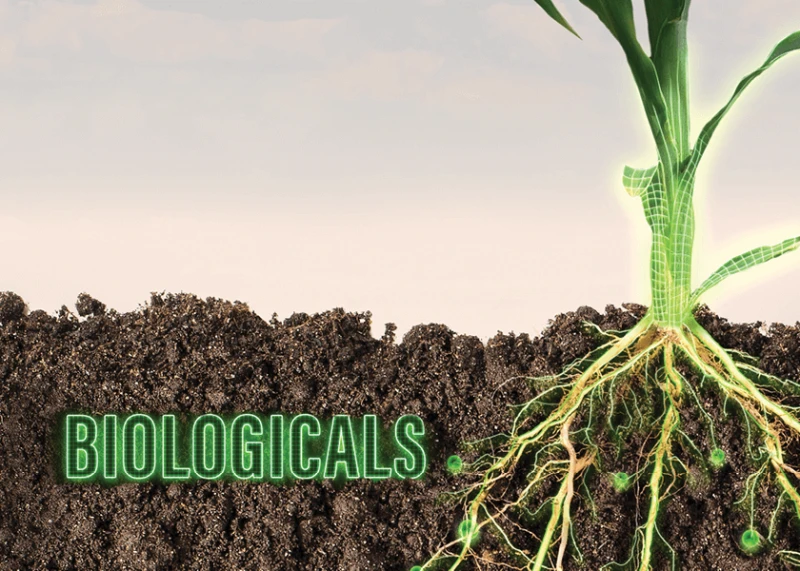
European Seed series on Myths, Fake News, Misinformation and Disinformation is to dive deeper, taking a closer look at a variety of seed related topics. This article looks at the myths surrounding biologicals.
Myth: Biologicals are ‘snake oil’
Fact: This is a huge misconception that customers and companies had, which stems from the misunderstanding of biological products as a whole. It should not be forgotten that biological products typically are live organisms. And back in the day, such products didn’t have the best genetics. On top of that, the delivery method that was used for biologicals were quite old-fashioned. Such delivery methods were not friendly to keeping the biological product alive. And so, 20-30 years ago, this led to inconsistent performances. Over the last 20 years, the biological treatment sector has vastly improved. Not only have delivery methods become better, but baseline genetics and our understanding of genetics has greatly improved.
Myth: Biologicals need to be applied multiple times
Fact: The notion that biologicals must be used repeatedly during the growing season to achieve optimal performance is a common fallacy. Do I need to apply my biological on the seed, in the furrow, and then continue to do so again over the top? is an often-asked question.
It is incorrect to believe that biologicals need to be applied multiple times. Numerous organisms in the field are endophytic, meaning they reside inside the plant. Additionally, when you use those organisms as a seed treatment, they successfully colonize both inside and outside of the plant. Long term, this implies that the farmer will receive a season-long reaction to that biological.
The fact that many of these species are endophytic has also allowed scientists to pinpoint the genetics as being host specific. By having an organism that lives inside the plant, environmental elements like soil type, pH, and the availability of nutrients in the soil are actually eliminated from consideration. It makes no difference whether the produce was grown in Country A or Country B. You get a more consistent result from year to year since the organisms are inside the plant.
Consistency and dependability are the key concepts throughout. While it may not have been a given 30 years ago, this is today a feature shared by many biological treatments. Let’s start by educating people to refute the idea that biological sciences are unreliable.
Marcel Bruins is the Editorial Director of European Seed. Find Marcel on Twitter @mbruins123
A version of this article was originally posted at European Seed and is reposted here with permission. European Seed can be found on Twitter @EuropeSeed















 Viewpoint — Fact checking MAHA mythmakers: How wellness influencers and RFK, Jr. undermine American science and health
 Viewpoint: Video — Big Solar is gobbling up productive agricultural land and hurting farmers yet providing little energy or sustainabilty gains
 Fighting deforestation with CO2: Biotechnology breakthrough creates sustainable palm oil alternative for cosmetics
 Trust issues: What happens when therapists use ChatGPT?
 California, Washington, Oregon forge immunization alliance to safeguard vaccine access against federal undermining
 30-year-old tomato line shows genetic resistance to devastating virus
 The free-range chicken dilemma: Better for birds, but with substantial costs
 ‘You have to treat the brain first’: Rethinking chronic pain with Sanjay Gupta