Southeast Asia Itineraries: From 2 Weeks to 3 Months
Itinerary planning is a complex beast. There’s no single best route out there. Everyone has different travel desires, goals, and needs (let alone budgets). It’s why I’ve always shied away from discussing itinerary planning for long-term travel.
Showing someone how to plan a trip is one thing, but actually planning a trip for someone else is tricky, because I don’t know what they want or like.
Because, at the end of the day, there is no such thing as a perfect itinerary. You have to go where you want to go and, while suggested routes can help inspire you, at the end of the day, only you can plan the best route for you.
However, that can feel overwhelming, especially when you’re trying to tackle an entire region like Southeast Asia. So, in this post, I’ll provide a few suggested itineraries to help you conquer this fantastic region.
For the two-week itinerary, I’ll break things up by day, but as we get into one-month and three-month territory, you’ll have a lot more flexibility with your time, so I’ll give rougher estimates of how to spend it.
After all, part of the beauty of travel is keeping yourself open to serendipitous moments and experiences!
If you only have two weeks in Southeast Asia, I suggest sticking to just 1-2 countries so that you don’t spend all your time in transit. You’ll also be able to better soak up the atmosphere if you’re not trying to cram too much in. With a more limited time frame, just accept that you’ll have to leave some things to look forward to on your next trip!
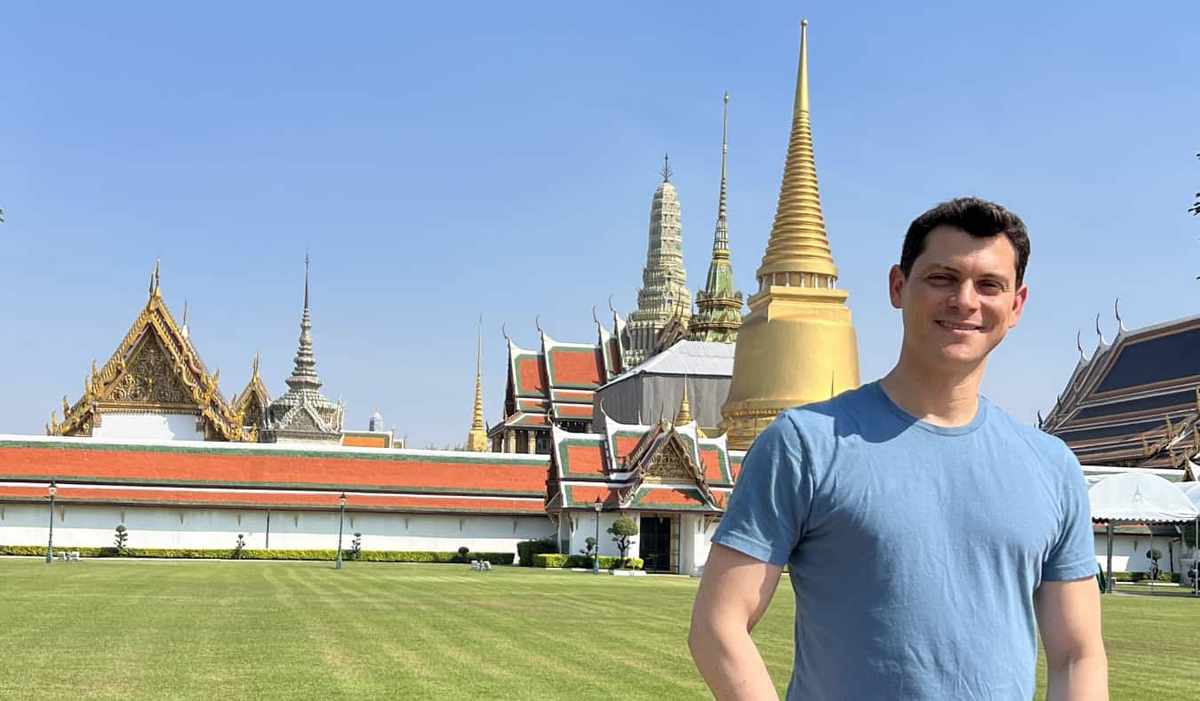
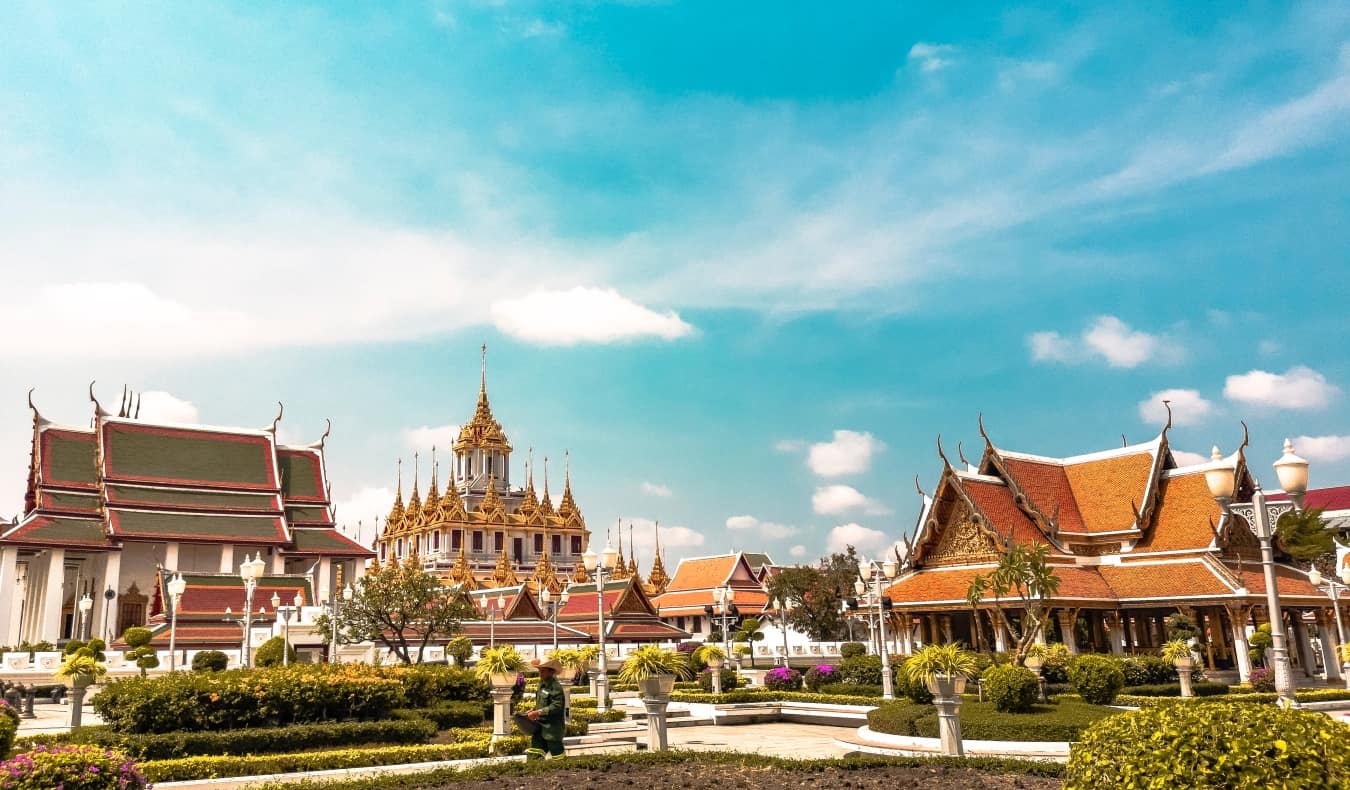
Days 1-3: Bangkok, Thailand As a major hub for the region, you’ll likely fly into Bangkok to start your trip. I suggest staying for at least a few days. It’s a city that opens itself up to those who are willing to get past all the hustle and bustle.
Take a walking tour to get your bearings and get local recommendations from the guide. Bangkok Walking Tours or Free Bangkok Walks are two great free options — just remember to tip your guide at the end!
For a more in-depth tour, you can take a city highlights tour, on which your guide will take you through some of Bangkok’s major attractions.
While the famous Damnoen Saduak floating market just outside of Bangkok exists mostly for the benefit of tourists, I still like visiting it. The tours that go there leave early in the morning and last about half a day. It’s not a great place to shop (prices are much higher than elsewhere), but the area is good for photography and eating.
WHERE TO STAY IN BANGKOK: Lub d Siam – This is a very popular spot for backpackers looking to stay somewhere other than the infamous party district that is Khao San Road. The hostel is modern, the rooms are spacious, and there are plenty of common areas to socialize in, including a café/bar.
Day 4-6: Chiang Mai Chiang Mai is an old city with a chill atmosphere, filled with temples, night markets, and amazing food. It’s also a good launching pad for jungle treks.
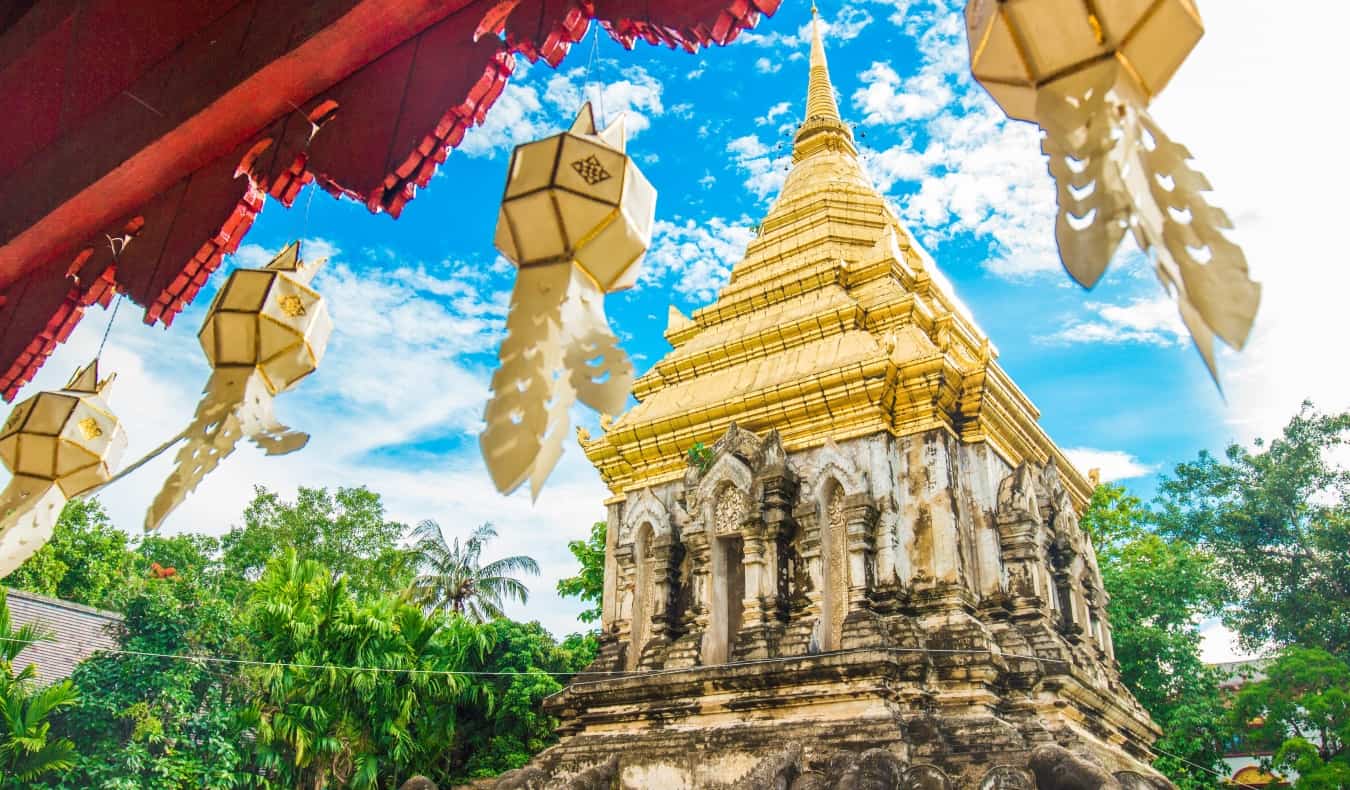
Wat Phra That Doi Suthep is Chiang Mai’s most famous temple (the pagoda supposedly contains relics of the Buddha himself). It offers beautiful views of the surrounding area and, at 6pm each day, you can watch the monks chant. The main other temples are Wat Chiang Man, Wat Phra Singh, Wat Suan Dok, Wat Chedi Luang, and Wat Jet Yot. Walking tours that visit several of these main temples start at 500 THB.
If you want to see elephants, a good way to get up close with them is to volunteer at or visit Elephant Nature Park. This sanctuary near Chiang Mai rescues abused and injured elephants from around the country. It’s a phenomenal place, and after coming here, you will know why you should never ride an elephant. A one-day visit costs 2,500-3,500 THB for adults.
WHERE TO STAY IN CHIANG MAI: Hostel Lullaby – This fantastic hostel in the heart of Chiang Mai was even voted the best in Thailand. Besides the comfortable facilities, there are a ton of perks here, including free bikes, free breakfast, and free Thai boxing, cooking, and yoga classes.
Days 7-9: Chiang Mai to Bangkok Here you have a few options: stay longer in Chiang Mai to do more jungle trekking; head up to Chiang Rai to see the famous White Temple; or take the long way back down to Bangkok, stopping for a night in each of Thailand’s ancient capitals (Ayutthaya and Sukhothai) or spending some time in one of the national forests, such as the incredible Khao Yai National Park.
Once back in Bangkok, you can either head into Cambodia to see Angkor Wat if you’re ambitious, or just hang out in Bangkok for a few more days before your flight home.
If you choose to go to Angkor Wat, here are my recommendations:
Day 10-12: Siem Reap/Angkor Wat, Cambodia Take the bus from Bangkok to Siem Reap, located on the northeastern side of Tonle Sap Lake. The center remains a rural old town, with French-style houses and shops.
Be sure to visit the Landmine Museum. Landmines have devastated the country, maiming and killing thousands. They still cause destruction today, as remaining mines from the Vietnam War (which spilled over into Cambodia) are discovered every year. The museum has an in-depth exhibit that is very worthwhile, as it gives perspective on their use, dangers, and efforts to remove them.
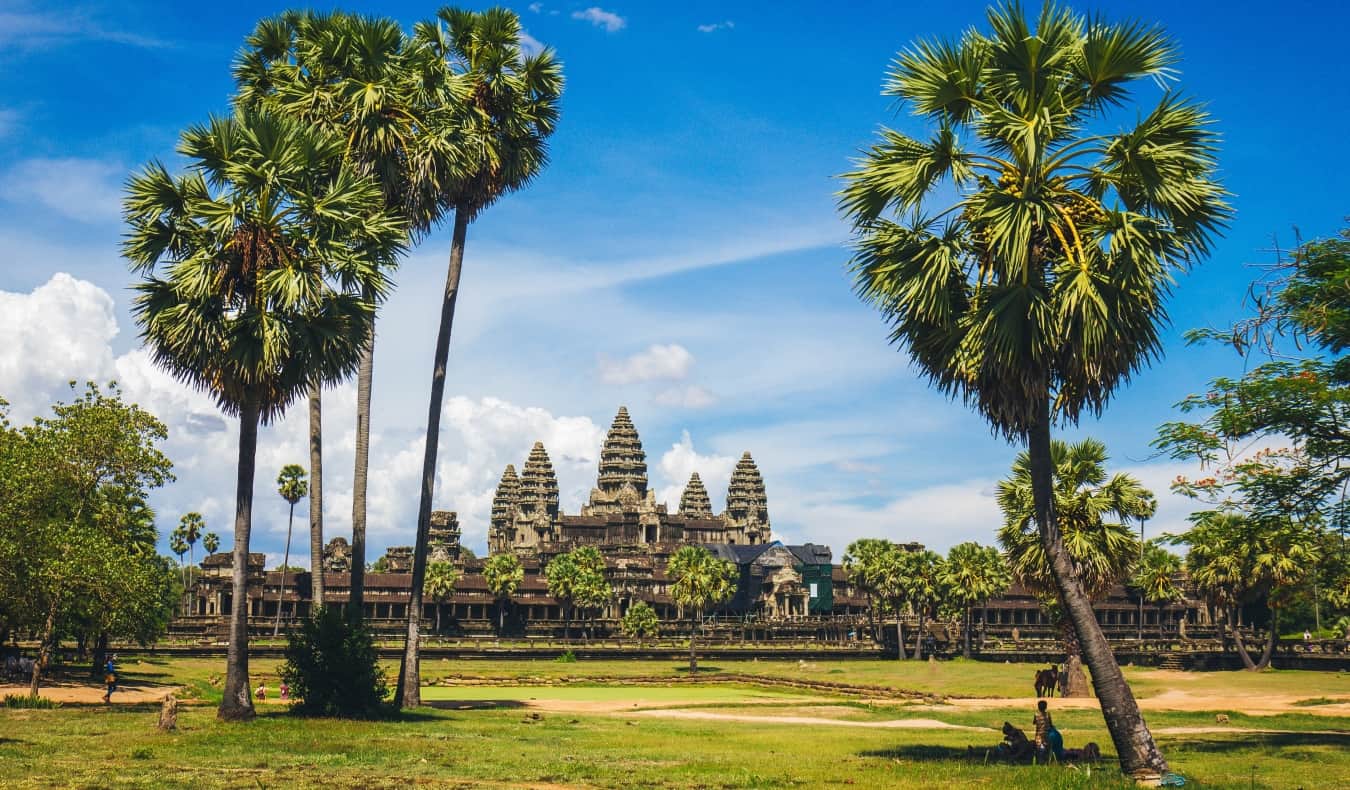
Also, spend a day at Angkor Wat, the ancient site that was the center of the Khmer Empire that once ruled most of Southeast Asia. The temple was built in the 12th century and covers over 500 acres.
While a single-day visit can cover the main temples, this is an amazing site to explore, so I highly recommend two days (at least).
You can hire a tuk-tuk for the day or rent bicycles and explore on your own. Tuk-tuks have room for 3-4 people, making it a cheap and convenient option if you can split the ride with other travelers. You can also take a full-day guided tour to learn even more from a professional.
Admission is $37 USD per person for a day pass, $62 USD for a three-day pass, and $72 USD for a seven-day pass.
WHERE TO STAY IN SIEM REAP: Mad Monkey – This is a fun, lively, and social hostel with a bar, pool, and lots of tours and organized activities to help you meet people and explore the city.
Day 13: Bus back to Bangkok Take the bus back to the Thai capital, where you can spend the last day of your trip exploring more of the many things to see and do in Bangkok, or just simply hang out, relax, and eat all the delicious Thai food you can before your journey home.
Day 14: Departure day Head off to the airport knowing that you made the most of your two weeks in Southeast Asia. Chances are that you only whetted your appetite for traveling through this amazing region of the world, and you might already be planning your next trip on your way back home!
Southeast Asia One-Month Itinerary
With one month, you’ll be able to take it a little slower, see more places, and get off the beaten path a bit more. You can add another country and leave more flexibility in your itinerary.
Days 1-3: Bangkok Follow the Bangkok itinerary above, and stay for a few more days if you like! There are endless things to do in Bangkok.
For more recommendations, check out my free Bangkok city guide.
Day 4: Bangkok–Chiang Mai With one month, you can choose to take the day train from Bangkok to Chiang Mai. It’s not only cheaper but a nice way to see the countryside. Sure, you “waste” a day, but you see the countryside, experience how Thais take the train, and can eat from vendors who briefly board at every stop.
The day train remains one of my favorite experiences in Thailand. Just make sure you have a good book as the journey is 10-13 hours long.
Days 5-7: Chiang Mai See the Chiang Mai itinerary above. For more recommendations on things to do, check out my free Chiang Mai city guide.
Days 8-10: Slow boat from Chiang Mai to Luang Prabang, Laos After spending your first week in cities, take a load off and drift down the river on a slow boat. These boats generally take two days, stopping overnight at a guesthouse along the way. It’s a beautiful way to see the scenery and recharge a bit from a busy week.
Alternatively, if you want to save time, you can fly between the two destinations, or skip ahead in this itinerary to Vietnam.
Days 11-13: Luang Prabang Luang Prabang is a small but vibrant town in the heart of mountainous northern Laos. This former French colonial town and UNESCO World Heritage site located at the confluence of the Mekong and Nam Khan Rivers is one of the country’s most popular destinations. Most travelers use it as the first or last stop before traveling to/from Thailand.
Although it’s small (around 56,000 people live here), there’s a lot to see and do, with dozens of temples, streets lined with French colonial architecture (this walking tour hits all the highlights and then some), a bustling night market, river tours, and waterfalls. I came here for three days but ended up staying a week!
Start off with a visit to the “Buddha Caves” (officially, the Pak Ou Caves). They hold over 6,000 Buddha statues that the locals still use for worship. There are standing Buddhas, sitting Buddhas, reclining Buddhas — you name it! You can visit solo or book a guided tour.
While you’re here, don’t miss the iconic Kuang Si waterfalls (you’ve probably seen them on Instagram already). They flow through the limestone-rich jungle and empty into a series of three gently cascading pools. While it’s one of the most popular attractions in the area (avoid the weekends, when it’s super busy), the Kuang Si Falls was also one of the most breathtaking things I saw in Laos.
Other things to do here include:
The Royal Palace
Mount Phousi
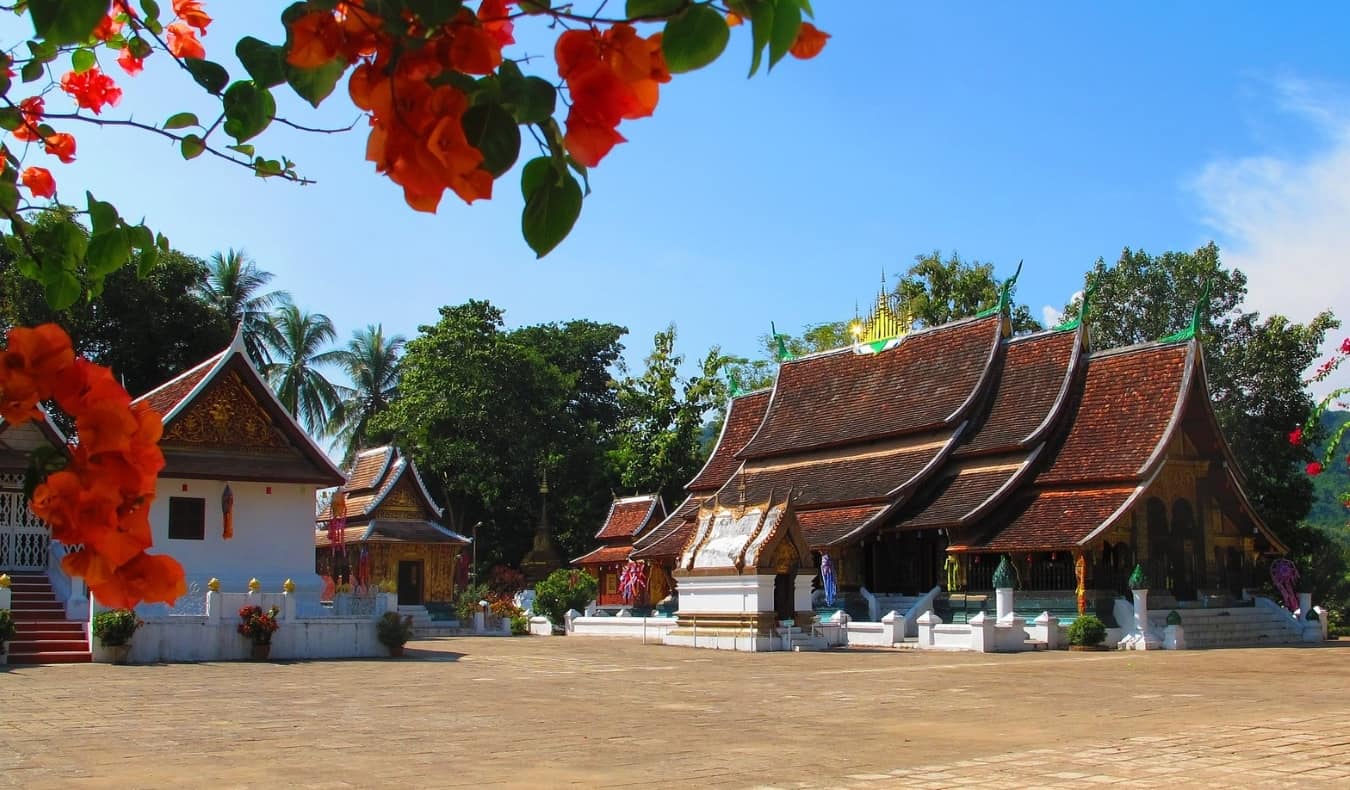
Wat Xieng Thong Monastery
The alms ceremony
Kayaking the Mekong River
For more things to do, check out my free guide to Luang Prabang.
WHERE TO STAY IN LUANG PRABANG: Downtown Backpackers Hostel 2 – This is a great little hostel with free breakfast, moped rentals, clean dorms, and super helpful staff.
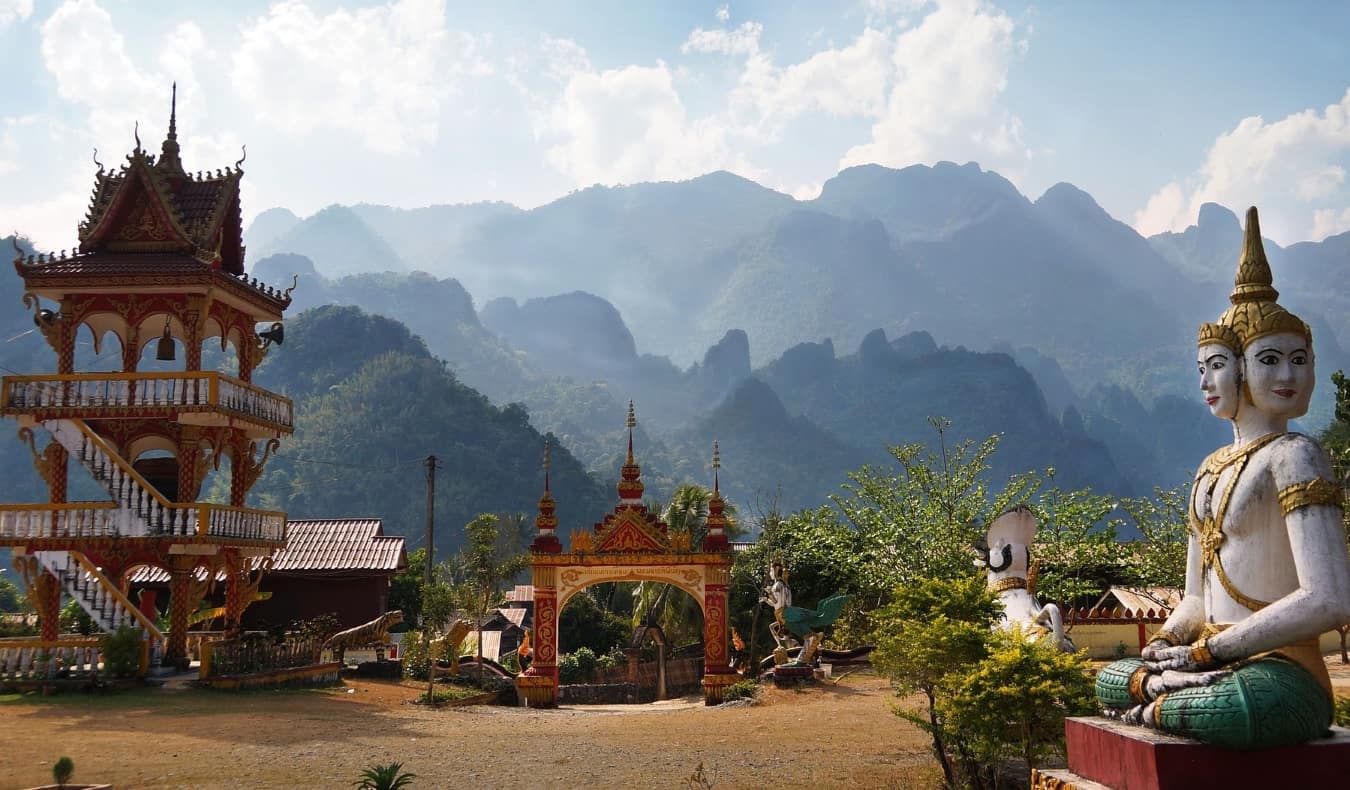
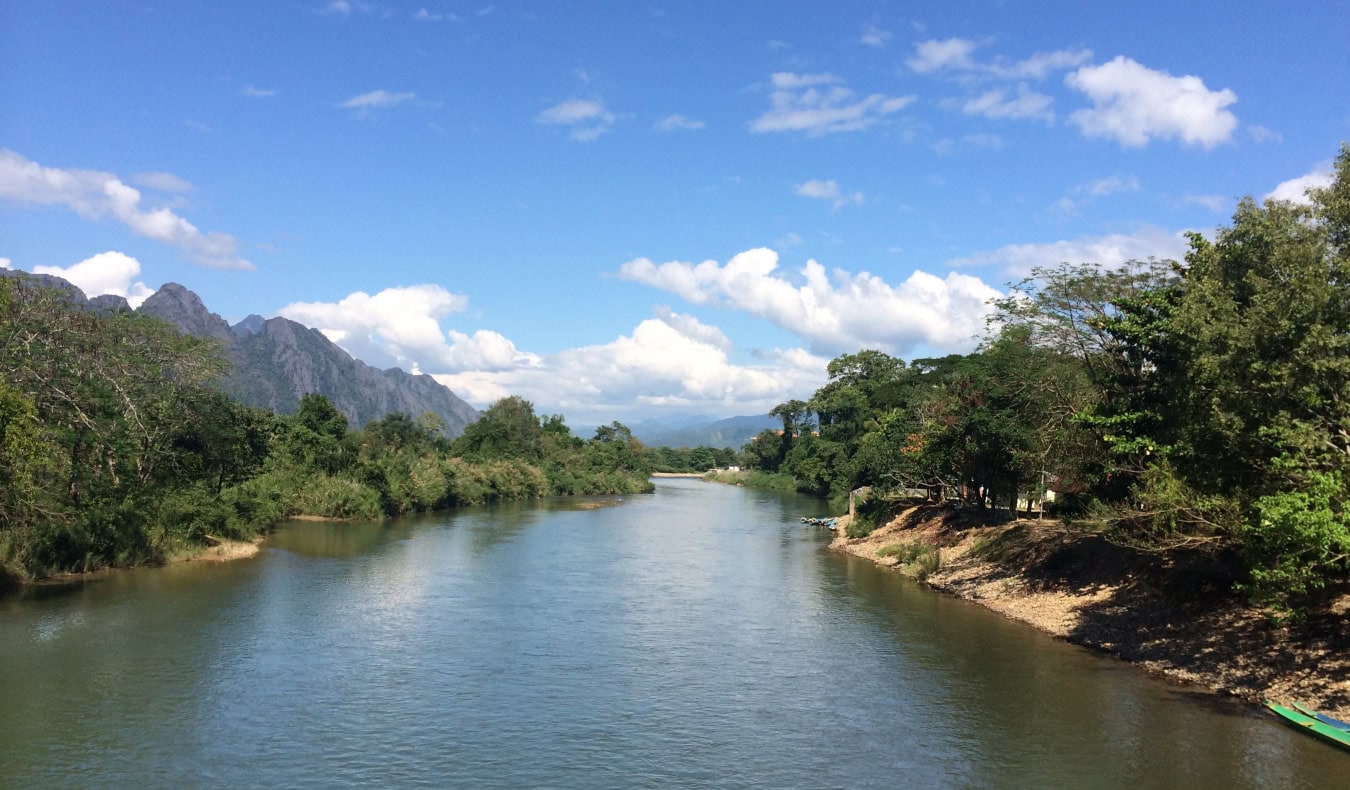
Days 14-16: Vang Vieng Take the four-hour bus ride to Vang Vieng. Vang Vieng is a hub for outdoor adventure, jungle hikes, and lazy days on the river. There’s still a bit of a party scene (it used to be much bigger in the 1990s), but now it’s just focused around a handful of bars.
Kick things off with a tubing trip down the river. It’s the best way to relax and stay cool. A tubing and kayaking tour costs around 575,000 LAK.
And if you want to stretch your legs, climb Pha Poak Mountain. It’s only a 30-minute climb to the top, where you’ll be rewarded with an incredible view of the area’s limestone mountains.
Other things to see and do in Vang Vieng include:
The Golden Cave
Hot air balloon rides
The Blue Lagoon
ATVing
For more things to do, check out my free guide to Vang Vieng.
WHERE TO STAY IN VANG VIENG: Rock Backpackers Hostel – This is a fun, social hostel with a swimming pool, movie room, small gym, and bar with free vodka and whiskey every night from 7pm to 9pm.
Days 17-19: Vientiane Vientiane, the capital of Laos, is home to around a million people. The name is French but derived from Viangchan (meaning “walled city of sandalwood”). The city was the economic hub under French rule, which started in 1893 and lasted until 1953.
Nowadays, the city is a hub for café culture, cheap spas, golden temples, and diverse riverside markets. Much of its historical center has kept its colorful colonial architecture intact too, making it a nice area to stroll around.
Wander the wide boulevards, take in the crumbling mansions, chill out in Chao Anouvong Park, enjoy the flavorful local cuisine (there are a ton of delicious French bakeries here as well).
Make sure you visit Buddha Park, a sculpture park is just 25 kilometers (15 miles) outside of Vientiane. There are around 200 Hindu and Buddhist statues here, all of which appear to be centuries old (they’re not — they were made in the 20th century out of concrete). While not “historic” per se, it’s still worth visiting, as there are all kinds of unconventional designs, including a three-meter (9.8-foot) demon head that you can enter, and staircases from heaven and hell that you can climb. Admission is 15,000 LAK.
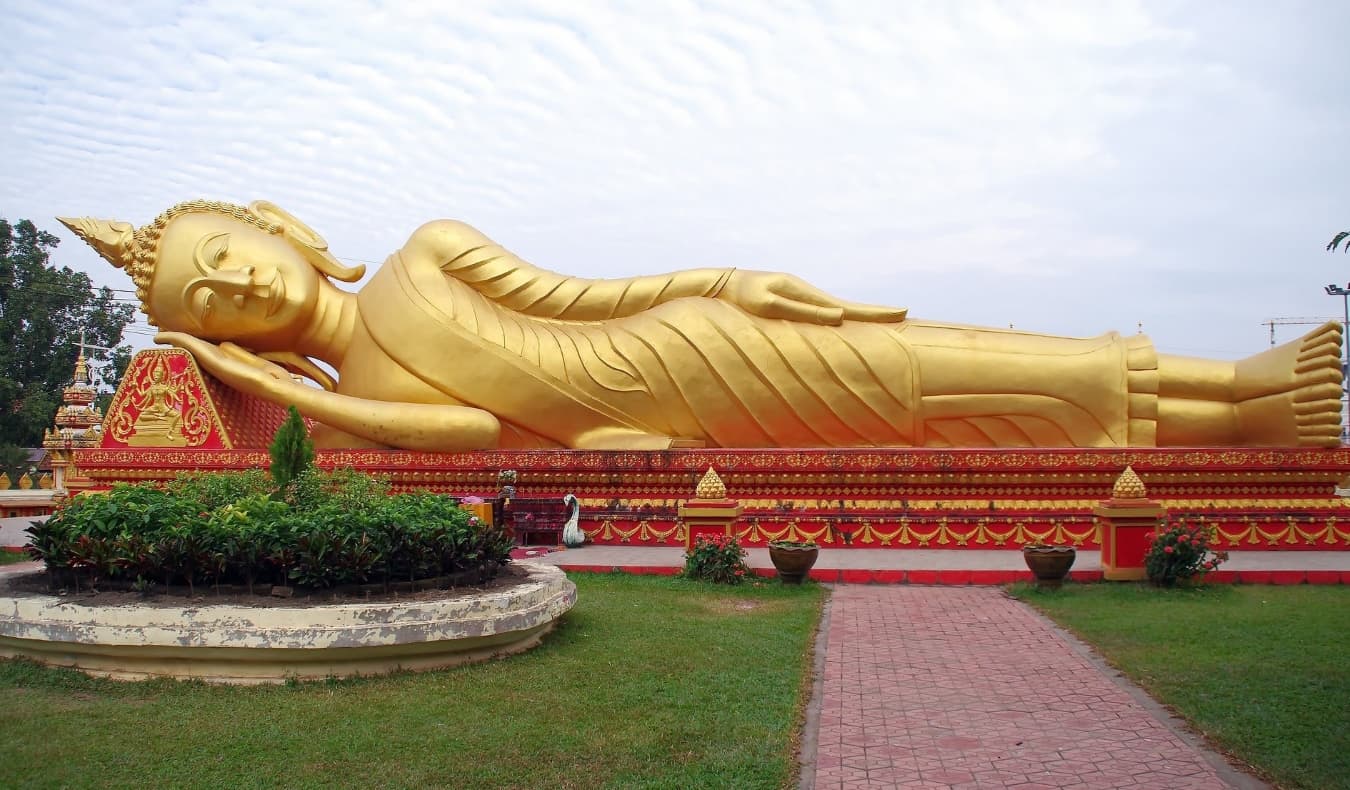
You’ll also want to admire the Great Stupa (Pha That Luang). It’s a 44-meter (148-foot) gold-covered stupa (dome-shaped Buddhist shrine) and is the most important monument in the country. Built by King Setthathirat in 1566, its exterior looks like a fortress with high walls. Inside, the walls are covered in Buddhist, floral, and animal imagery. Admission is 10,000 LAK.
Other things to see and do in Vientiane include:
The COPE Visitor Centre
Victory Gate (Patuxai)
Chao Anouvong Park
Lao Boat Racing Festival
For more things to do, check out my guide to Vientiane.
WHERE TO STAY IN VIENTIANE: Dream Home – This is a fantastic hostel that offers everything you need while staying in the capital. There’s free breakfast, comfy beds, AC, a nightly happy hour at the hostel bar, and a 24-hour reception with friendly staff members.
Days 20-22: Pakse Pakse is the gateway to Laos’ 4,000 Islands (in the Mekong River), so there isn’t a ton to do here other than chill out and relax. It’s a nice place to stop while heading south to Cambodia. Alternatively, you can take a 1.5-hour flight from Vientiane to Phnom Penh to save some time and give you extra days elsewhere.
WHERE TO STAY IN PAKSE: Sanga Hostel – This cozy hostel has super comfortable beds, a restaurant with fantastic home-cooked food (free banana cakes!), and a lovely owner.