Synthetic biology: Potential game changer for climate change adaptation in Africa


The climate context
The need for novel approaches to facilitate climate change adaptation in Africa has never been more urgent. The Inter-government Panel on Climate Change (IPCC) Working Group II Sixth Assessment Report puts a spotlight on countries in Africa as predicted
…to enter unprecedented high temperature climates earlier in this century than higher latitude countries…with the ability of adaptation responses to offset risk substantially reduced. Crop yield losses, even after adaptation, are projected to rise rapidly…limits to adaptation are already being reached in coral reef ecosystems… and many face more net losses than net gains in biodiversity.
Background on synbio
Synthetic biology (synbio) is a breakthrough technology that has potential to revolutionize scientific innovation for addressing some of the most systemic challenges of this century. Synbio involves artificially manufacturing of biological components, such as enzymes and cells, or functions and organisms, that don’t exist in nature. Existing organisms may also be altered to perform new useful functions. Synthetic biologists study gene sequences — the order of the four chemical building blocks called “bases” that make up the DNA molecule — to understand the relationship between the way these “bases” are laid out, and the functions and abilities of the organisms in which they are contained. Once the “base sequence” of a certain section of DNA can be directly linked to a specific function, scientistic can then create imitations of that DNA section chemically in a laboratory, and cut out the undesirable section of and organism’s DNA and replace it with the new manufactured section, so that they produce the desired proteins, characteristics or functions.
Uses of synbio in Africa
Biodiversity conservation
Coral reefs, which are mostly found in shallow oceans along the coastline, provide the perfect place for marine life to thrive, especially colourful fish. African corals are a big tourist draw. Reefs along the east coast of Africa and the islands of Zanzibar, Seychelles and Madagascar provide jobs to thousands in diving and other allied industries. Bleaching and dying of coral reefs caused by ocean warming due to by climate change are one of the biggest threats to oceanic biodiversity. Scientists from Stanford University in California demonstrated how gene editing can be used to pinpoint genes involved in corals’ ability to withstand heat stress. This understanding strengthens efforts to identify potentially more resilient populations and develop and assess possible ameliorating actions.
Addressing challenges in agriculture due to rainfall variability
Much of African agriculture’s vulnerability to climate change lies in the fact that its agricultural systems remain largely rain-fed. Increased temperatures, especially in the number of extreme hot days, as well as changes in precipitation, are the main climatic variables affecting agriculture on the African continent. Synthetic biologists have identified the genes that encourage a plant’s root system to grow deeper into the soil to enable plants access lower water tables. They plan to engineer genetic pathways to prompt deeper roots, which will enable crop plants to resist stress, sequester more carbon and enrich the soil. This discovery could help scientists understand how plants address seasonal variance in rainfall and how to help plants adapt to changing climates.
Clean energy
The International Renewable Agency (IRENA) called for special attention to increase energy efficiency, electrify heating and capitalize on synthetic fuels and feedstocks in industry if the world was to try to limit the rise in global temperatures by 2050 to 1.5°C above pre-industrial levels . Africa, despite its vast natural resources for renewable energy lags behind in its lean energy transition aspirations due to limitations in technology and finance. Synbio researchers have identified an organism that naturally makes ethanol from industrial waste gases. This organism was engineered with “pathways” from other organisms to improve its performance, and is able to produce unique molecules for valuable chemicals and fuels. The first commercial plant in China using this technology has produced over seven million gallons of ethanol from steel mill emissions that can be converted into jet fuel and other products.
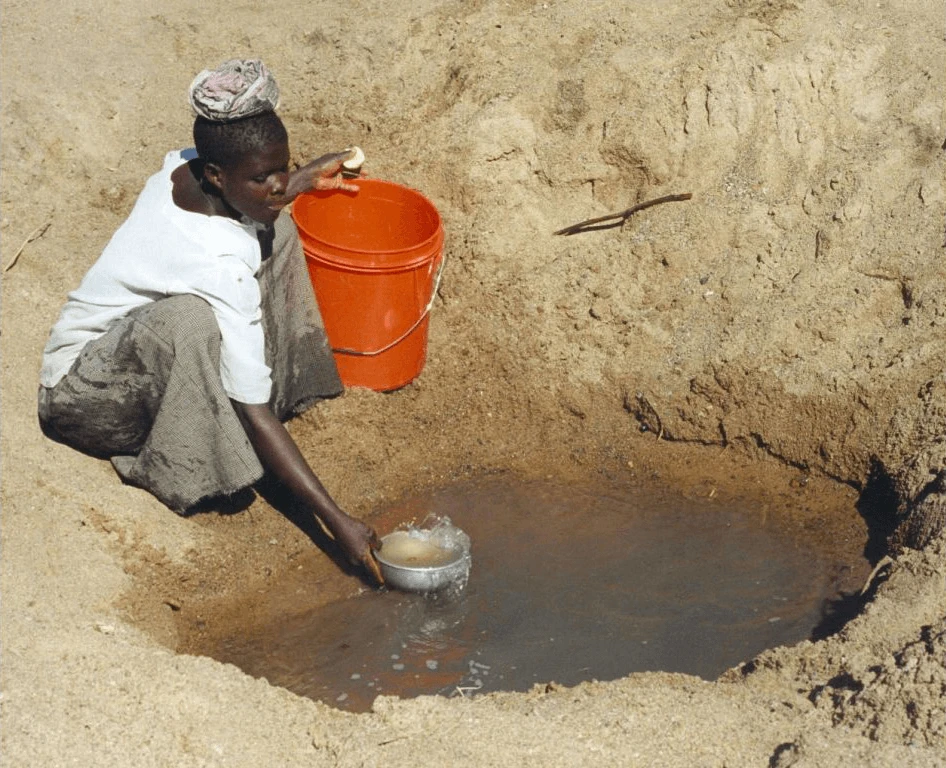
Clean water
Portable scarcity is one of the predicted outcomes of climate change in Africa due to increase in the temporal and spatial variability of precipitation, coupled with increased unpredictability. It has been estimated that by 2025, 14 countries Africa will face scarcity, and 11 countries will face water stress. Already, about one-third of the people in the region live in drought-prone areas, and there is one country where one-sixth of the drinking water supply in one city comes from recycled sewage that has been put through very sophisticated treatment processes.
Researchers are developing synthetic organisms as sentinels and signalers to engineer the formation and dissolution of biofilms and to optimize the recovery of valuable products in the anaerobic treatment of wastewater. One company uses synthetic biology to create a granular material that attracts and sticks to micropollutants such as pesticides, pharmaceuticals, and certain chemicals in wastewater.
The above examples in no way encompass the full scope of applications of synthetic biology for climate change adaptation in Africa, they are however, a primer to demonstrate the diversity of use and potential critical importance of this new technology to the region. Partnerships in developing the science and careful and efficient regulation have been highlighted as key drivers for the advancement of Sybio in Africa.
Celia Tebandeke Nalwadda conducted this research as a Hubert H. Humphrey Fellow. She is a Senior Research Officer at the Uganda National Academy of Sciences.
A version of this article was originally posted at the Cornell Alliance for Science and is reposted here with permission. The Cornell Alliance for Science can be found on Twitter @ScienceAlly
 | Videos | More... |
Video: Nuclear energy will destroy us? Global warming is an existential threat? Chemicals are massacring bees? Donate to the Green Industrial Complex!
 | Bees & Pollinators | More... |

GLP podcast: Science journalism is a mess. Here’s how to fix it

Mosquito massacre: Can we safely tackle malaria with a CRISPR gene drive?

Are we facing an ‘Insect Apocalypse’ caused by ‘intensive, industrial’ farming and agricultural chemicals? The media say yes; Science says ‘no’
 | Infographics | More... |
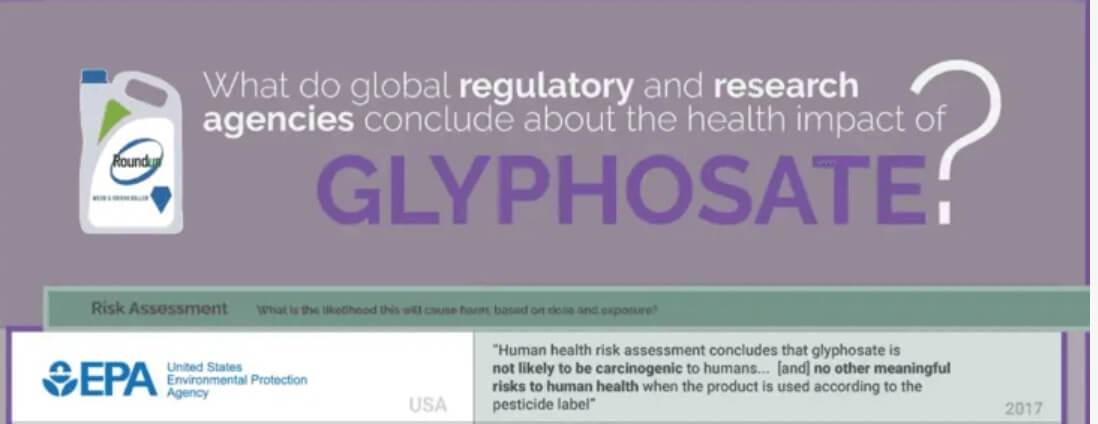
Infographic: Global regulatory and health research agencies on whether glyphosate causes cancer
 | GMO FAQs | More... |
Why is there controversy over GMO foods but not GMO drugs?

How are GMOs labeled around the world?
How does genetic engineering differ from conventional breeding?
 | GLP Profiles | More... |

Alex Jones: Right-wing conspiracy theorist stokes fear of GMOs, pesticides to sell ‘health supplements’

 Viewpoint — Fact checking MAHA mythmakers: How wellness influencers and RFK, Jr. undermine American science and health
 Viewpoint: Video — Big Solar is gobbling up productive agricultural land and hurting farmers yet providing little energy or sustainabilty gains
 Fighting deforestation with CO2: Biotechnology breakthrough creates sustainable palm oil alternative for cosmetics
 Trust issues: What happens when therapists use ChatGPT?
 California, Washington, Oregon forge immunization alliance to safeguard vaccine access against federal undermining
 30-year-old tomato line shows genetic resistance to devastating virus
 The free-range chicken dilemma: Better for birds, but with substantial costs
 ‘You have to treat the brain first’: Rethinking chronic pain with Sanjay Gupta