Tweaking one gene could help crops survive and thrive in salty water

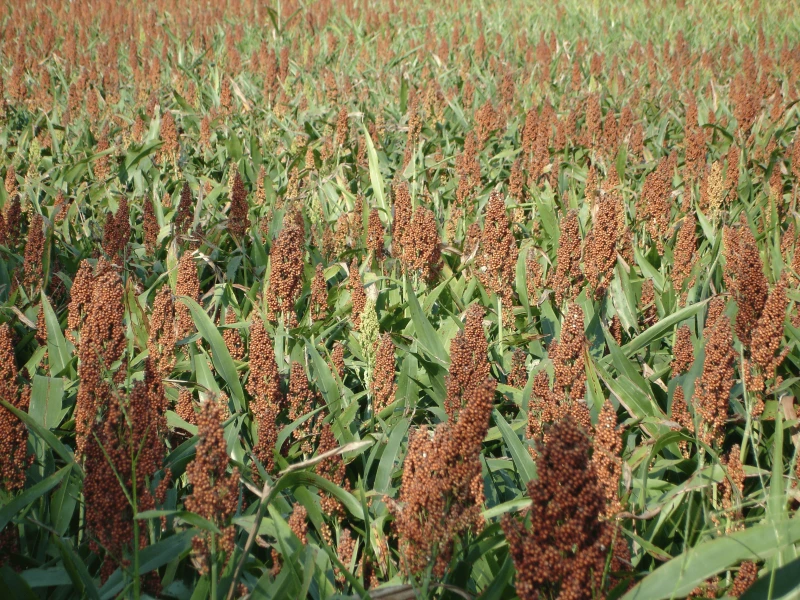
The gene, called AT1, plays a key role in regulating the plant’s response to saline and alkaline environments. Field experiments have shown that without the gene, crops such as sorghum, rice, wheat, maize and millet have higher yields and biomass when planted in fields with low to medium saline-alkaline content.
The new saline-alkaline tolerant variant for sorghum recorded a grain production increase of 20 percent compared to the controlled group, while biomass could increase by 30 percent, according to the study. Sorghum grains can be made into vital commercial products such as alcohol and vinegar, and sorghum stalks are common livestock fodder for pigs, goats and cattle.
The AT1-deactivated rice variant can produce about 22.4 to 27.8 percent more grain in saline and alkaline soils. New grain variants, including millet, documented an increased production of nearly 20 percent, and research has shown removing the AT1 gene in maize can significantly increase its ability to survive in saline-alkaline environments.
Due to climate change, lack of fresh water and the prevalent use of fertilizers, saline and alkaline soils have become a major agricultural and environmental challenge, threatening food security worldwide.
According to the Food and Agriculture Organization of the United Nations, as of 2015, the world had about 1 billion hectares of soil damaged by high concentrations of sodium, chlorine and sulfate. Around 60 percent of these soils are sodic and have a high alkaline value due to sodium carbonate and sodium bicarbonate, commonly known as baking soda.
If just 20 percent of the estimated 618 million hectares of sodic land were to grow AT1-deactivated crops, scientists estimated it would lead to the production of at least 250 million metric tons of additional food annually, significantly contributing to world food security, according to the study.
Huang Xun, deputy director of the Institute of Genetics and Developmental Biology of the Chinese Academy of Sciences, said food security is a top priority in Chinaso’s overall national security, and safeguarding arable land is critical in ensuring food production.
As of 2021, China had around 99.1 million hectares of saline and alkali soils.
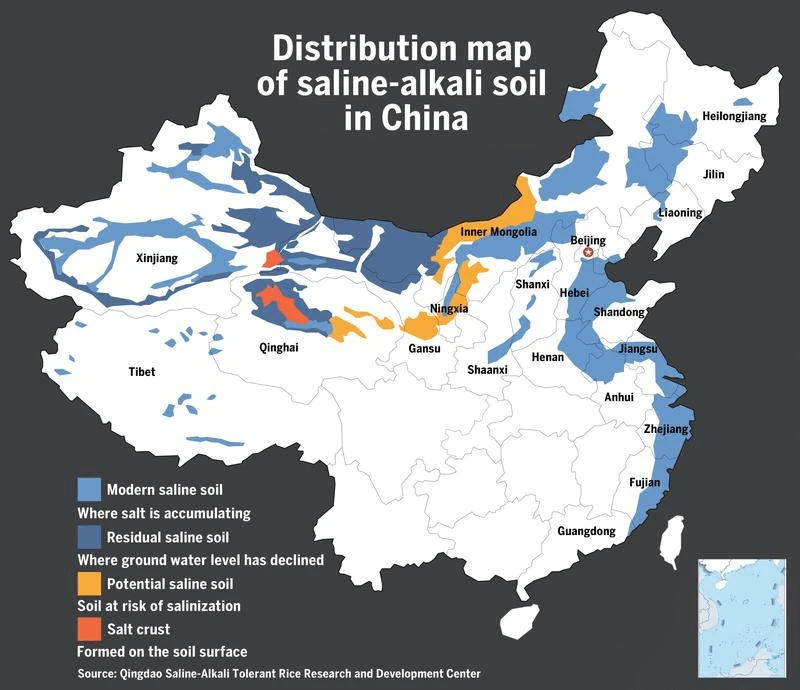
“If we can create crop varieties suited for these fields, then we can use this wasted land to produce food and feed the nation,” he said.
“Our scientists’ discovery about the AT1 gene’s role in creating saline-alkaline tolerant crops is a prime example of how basic research can help solve practical issues and fulfill our nation’s major needs in agricultural production,” Huang said.
Xie Qi, a researcher at the institute and one of the key scientists behind the discovery, said that although the global scientific community has a relatively strong understanding of how crops adapt to salt environments, there was little understanding of how these plants react to alkaline conditions due to experimental difficulties.
With the joint effort of over eight research organizations, Chinese scientists discovered the AT1 gene from sorghum, which originated from saline and alkaline areas of the Sahara region in Africa, Xie said.
Researchers later found that the same gene had a similar function in other staple crops such as rice, wheat, maize and millet.
“It was quite a sight to behold when you see crops emerging from the white, barren alkaline land, where they typically struggle to survive,” he said.
Chen Shouyi, former director of the Institute of Genetics and Developmental Biology of the Chinese Academy of Sciences, said this discovery has opened a new door for creating saline-alkaline tolerant crops.
“It is great news in our battle against saline and alkaline soils worldwide,” she said.
Zhu Jiankang, director of the Institute of Advanced Biotechnology of the Southern University of Science and Technology, said the next step should be understanding how removing the AT1 gene would affect the quality of the crops.
A version of this article was originally posted at China Daily and has been reposted here with permission. Any reposting should credit the original author and provide links to both the GLP and the original article. Find China Daily on Twitter @ChinaDaily
 | Videos | More... |
Video: Nuclear energy will destroy us? Global warming is an existential threat? Chemicals are massacring bees? Donate to the Green Industrial Complex!
 | Bees & Pollinators | More... |

GLP podcast: Science journalism is a mess. Here’s how to fix it

Mosquito massacre: Can we safely tackle malaria with a CRISPR gene drive?

Are we facing an ‘Insect Apocalypse’ caused by ‘intensive, industrial’ farming and agricultural chemicals? The media say yes; Science says ‘no’
 | Infographics | More... |
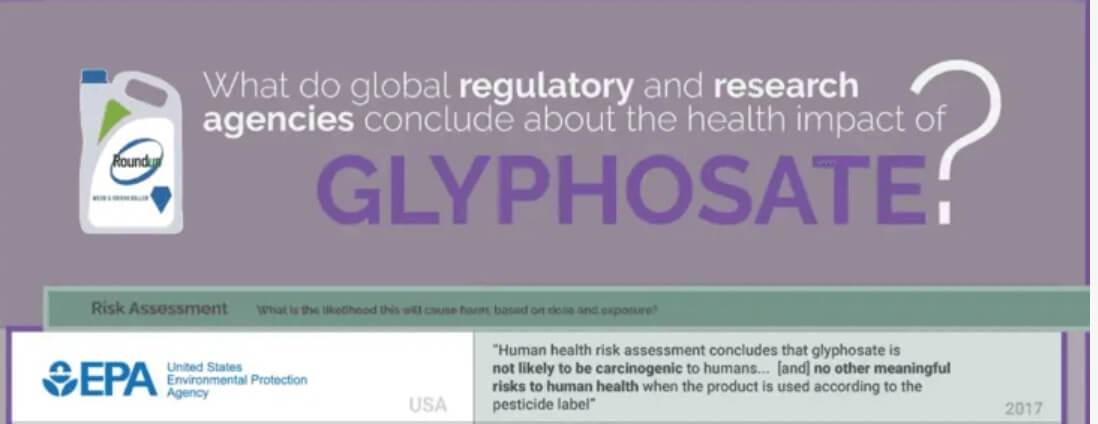
Infographic: Global regulatory and health research agencies on whether glyphosate causes cancer
 | GMO FAQs | More... |
Why is there controversy over GMO foods but not GMO drugs?

How are GMOs labeled around the world?
How does genetic engineering differ from conventional breeding?
 | GLP Profiles | More... |

Alex Jones: Right-wing conspiracy theorist stokes fear of GMOs, pesticides to sell ‘health supplements’

 Viewpoint — Fact checking MAHA mythmakers: How wellness influencers and RFK, Jr. undermine American science and health
 Viewpoint: Video — Big Solar is gobbling up productive agricultural land and hurting farmers yet providing little energy or sustainabilty gains
 Fighting deforestation with CO2: Biotechnology breakthrough creates sustainable palm oil alternative for cosmetics
 Trust issues: What happens when therapists use ChatGPT?
 California, Washington, Oregon forge immunization alliance to safeguard vaccine access against federal undermining
 30-year-old tomato line shows genetic resistance to devastating virus
 The free-range chicken dilemma: Better for birds, but with substantial costs
 ‘You have to treat the brain first’: Rethinking chronic pain with Sanjay Gupta