‘Unstoppable’ Varroa mites killing bees in Australia. Molecular keys may provide a way to protect the vulnerable honeybee

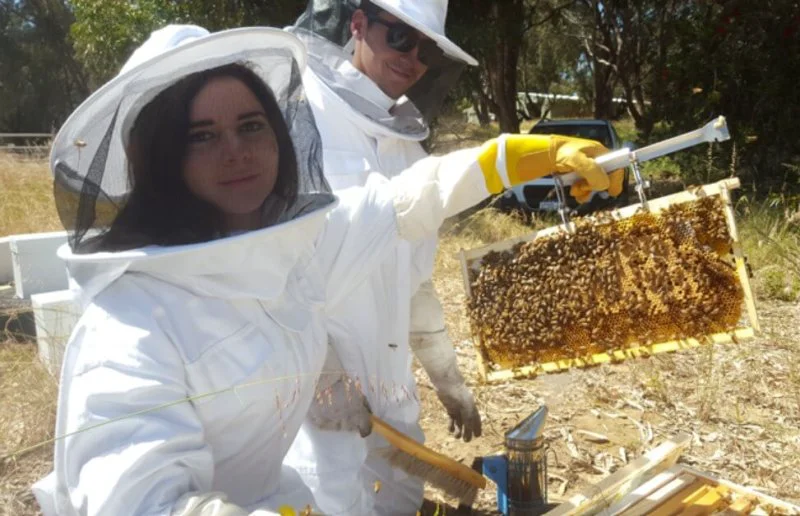
Hundreds of hives have been destroyed, and Queensland, Victoria and South Australia have banned bees, hives and honey products from New South Wales in a bid to contain an outbreak of the Varroa destructor mite, detected for the first time in Australia at several properties in New South Wales.
“Despite the grim outlook, I think it is not all lost yet, if we act swift and hard,” says UniSC Associate Professor Volker Herzig, who is researching environmentally friendly treatments for honeybee pests, such as the varroa mite and small hive beetles.
“Now, halfway into my project, and after screening over 240 arachnid venoms against varroa mites, we have four lead molecules that we are currently characterising to identify the best possible candidate,” he said.
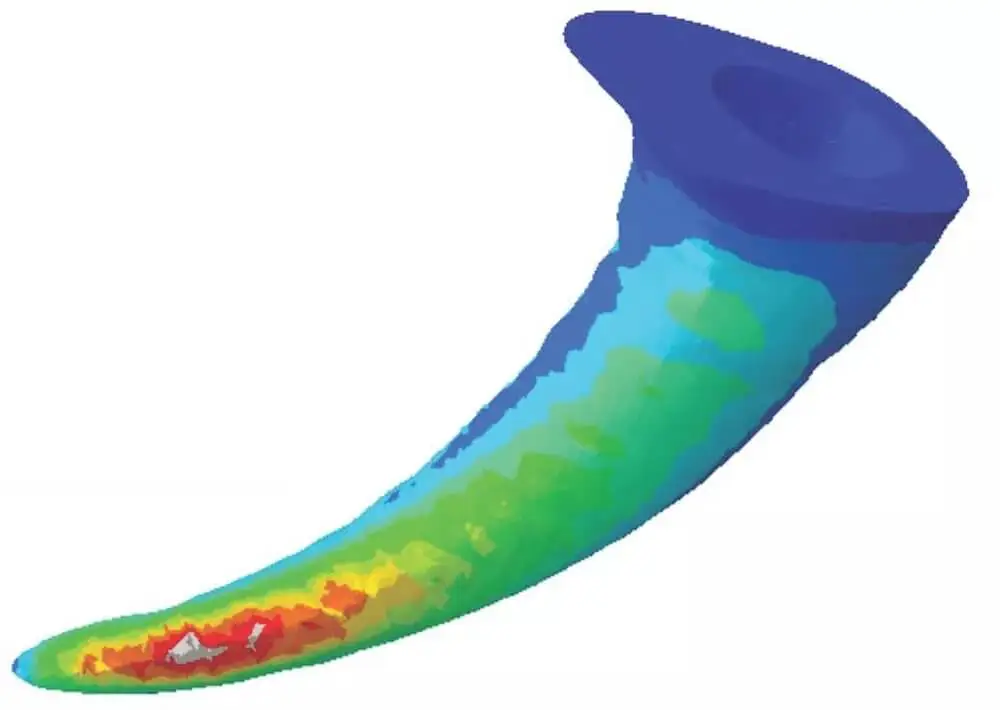
“Unfortunately, these will take several more years to develop, so they can’t be applied to control the present outbreak in New South Wales.”
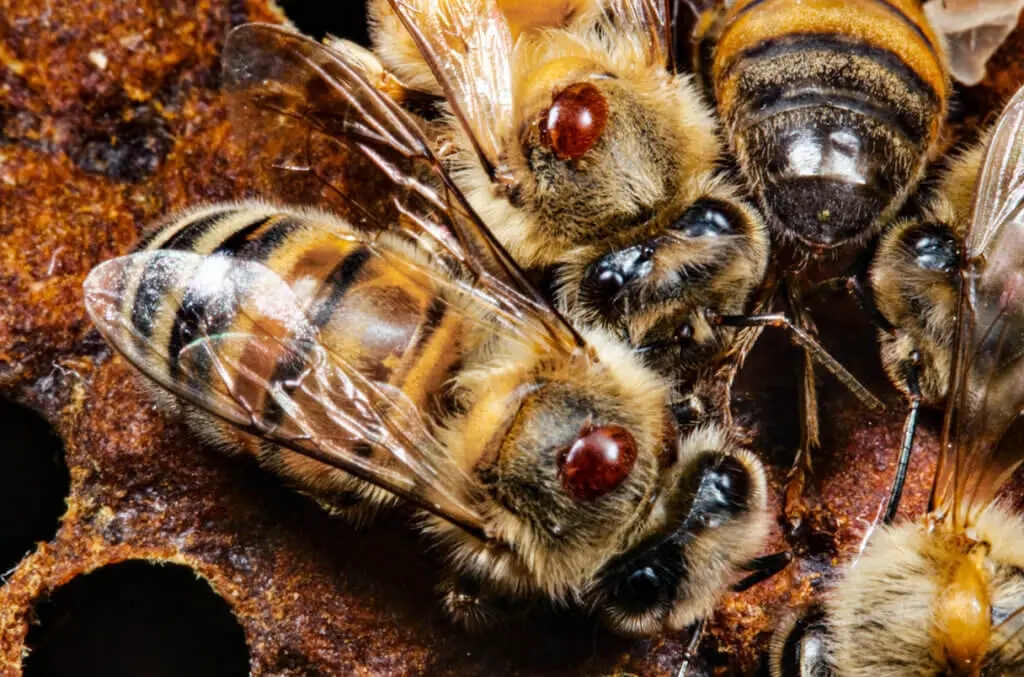
Associate Professor Herzig said Australia was previously the only country to escape the Varroa destructor, a parasitic mite species that causes negative impacts on the honeybee health and eventually results in colony collapse.
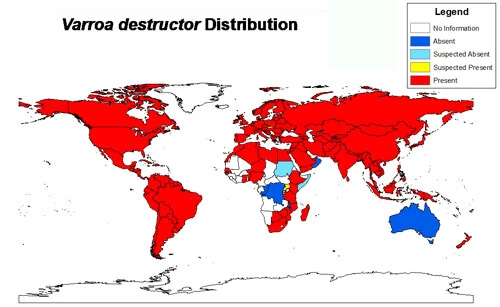
“So far, no country to which Varroa destructor has spread previously has been able to successfully eradicate them,” he said.
Associate Professor Herzig doubts whether current eradication, surveillance zone and buffer zones reach far enough.
“It just takes a single breach of the current exclusion zones, in combination with beehives being transported across Australia for pollination services, and we will soon end up with an uncontrollable spread of the varroa mites,” he said.
As a precautionary measure, he recommends immediately prohibiting any movement of beehives within Queensland, New South Wales and Victoria.
“Once the mites have spread to any of the feral honeybee colonies, there will be no means of monitoring or controlling their further spread anymore, which would make eradication practically impossible,” he said.
“I am aware that such hard measures will cause a significant economic hit to the bee industry, but that it would only be for a limited time.
“In contrast, the associated economic impact would pale in comparison to the many millions of dollars it will cost the Australian bee-industry annually once the mites have become endemic, because then there will be no going back.”
Concerned that it was a matter of “when and not if” Varroa destructor would make it into Australia eventually, Associate Professor Herzig first applied for funding in 2015 to research novel varroa mite treatments.
In 2020, he received an Australian Research Council Future Fellowship to support his current research. More on research into bee-friendly pest treatments at UniSC here.
Read the original post here
 | Videos | More... |
Video: Nuclear energy will destroy us? Global warming is an existential threat? Chemicals are massacring bees? Donate to the Green Industrial Complex!
 | Bees & Pollinators | More... |
GLP podcast: Science journalism is a mess. Here’s how to fix it

Mosquito massacre: Can we safely tackle malaria with a CRISPR gene drive?

Are we facing an ‘Insect Apocalypse’ caused by ‘intensive, industrial’ farming and agricultural chemicals? The media say yes; Science says ‘no’
 | Infographics | More... |
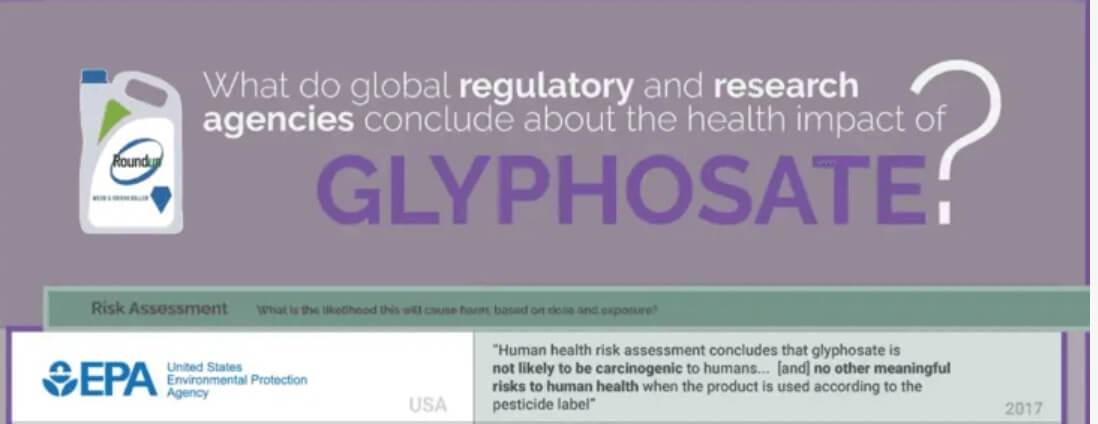
Infographic: Global regulatory and health research agencies on whether glyphosate causes cancer
 | GMO FAQs | More... |

Why is there controversy over GMO foods but not GMO drugs?

How are GMOs labeled around the world?
How does genetic engineering differ from conventional breeding?
 | GLP Profiles | More... |

Alex Jones: Right-wing conspiracy theorist stokes fear of GMOs, pesticides to sell ‘health supplements’

 Viewpoint — Fact checking MAHA mythmakers: How wellness influencers and RFK, Jr. undermine American science and health
 Viewpoint: Video — Big Solar is gobbling up productive agricultural land and hurting farmers yet providing little energy or sustainabilty gains
 Fighting deforestation with CO2: Biotechnology breakthrough creates sustainable palm oil alternative for cosmetics
 Trust issues: What happens when therapists use ChatGPT?
 California, Washington, Oregon forge immunization alliance to safeguard vaccine access against federal undermining
 30-year-old tomato line shows genetic resistance to devastating virus
 The free-range chicken dilemma: Better for birds, but with substantial costs
 ‘You have to treat the brain first’: Rethinking chronic pain with Sanjay Gupta