Humanity needs to start shrinking our agricultural footprint and expanding our natural footprint, after thousands of years of doing the reverse. This will be an extraordinary challenge, because we’ll also need to produce more than 7.4 quadrillion additional calories every year to feed our growing population, in an era when climate-fueled droughts, heat waves, floods and blights could make it harder to grow food.
If we are serious about cleaning up the mess we’re making for less influential species, there are four things individuals as well as nations and corporations can do.
The first is to eat less meat, which would be a lot easier if meat weren’t so beloved and delicious… But the inconvenient truth is that when we eat cows, chickens and other livestock, we might as well be eating macaws, jaguars and other endangered species.
…
The next thing we need to do is waste less food. About a third of the food grown on Earth is lost or tossed before it reaches our mouths, which means a third of the land (as well as the water, fertilizer and other resources) used to grow that food is also wasted.
…
The third way to ease the global land squeeze would be to stop using productive farmland for biofuels like ethanol and biodiesel — and to stop burning trees for power — but the Montreal plan doesn’t even address the topic.
…
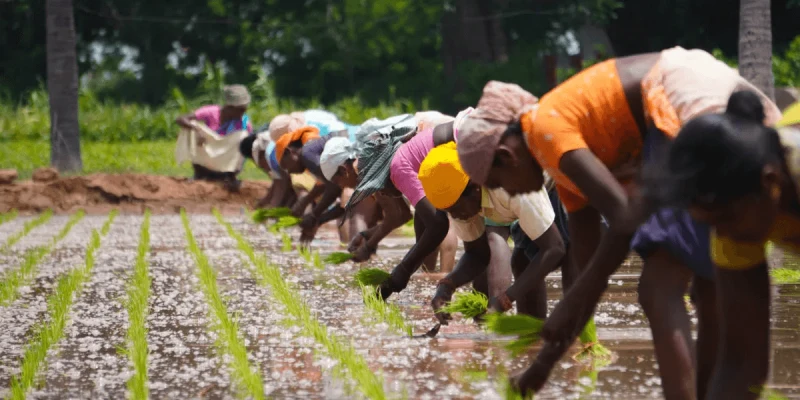
Finally, if we’re going to shrink our agricultural footprint enough to stop deforestation and hopefully restore some degraded ecosystems so they can once again serve as wildlife habitats and carbon sinks, farmers will have to supersize their yields enough to make a lot more food with a lot less land. And while the 20th century’s Green Revolution raised yields by using fossil-fuel-derived fertilizers, toxic pesticides and other environmentally damaging innovations, the 21st century will require some greener ones that can ramp up productivity without messing up the planet.












 Viewpoint — Fact checking MAHA mythmakers: How wellness influencers and RFK, Jr. undermine American science and health
 Viewpoint: Video — Big Solar is gobbling up productive agricultural land and hurting farmers yet providing little energy or sustainabilty gains
 Fighting deforestation with CO2: Biotechnology breakthrough creates sustainable palm oil alternative for cosmetics
 Trust issues: What happens when therapists use ChatGPT?
 California, Washington, Oregon forge immunization alliance to safeguard vaccine access against federal undermining
 30-year-old tomato line shows genetic resistance to devastating virus
 The free-range chicken dilemma: Better for birds, but with substantial costs
 ‘You have to treat the brain first’: Rethinking chronic pain with Sanjay Gupta