Viewpoint: As New York debates limiting neonicotinoid pesticides, farmer explains how ban would escalate spraying of more hazardous chemicals

Our business is to grow top-quality produce. To do this, we must protect, preserve, and restore the environment that provides for my family’s future and yours.
Pollinators are part of this environment. We are dependent on bees for crop production and many bird species for insect control. State legislators say they’re trying to protect birds and bees by banning neonicotinoid insecticides (neonics for short), but their proposals will hurt them – with a ripple effect of making food more expensive and threatening local growers.
State Sen. Brad Hoylman’s proposed “Birds and Bees Protection Act” intends to ban neonicotinoid seed treatments, which are among the most environmentally safe methods of application for crops. Neonic-coated seeds are pretreated with chemicals farmers need to grow a healthy crop, without spraying pesticide into the environment. This protects plants from bugs that mainly feed on the leaves and stems of treated plants.
Assemblyman William Colton’s newly proposed bill (A02097) would amend New York’s environmental conservation law to fully ban any other form of neonicotinoid application, affecting our state’s fruit, vegetable and nursery growers.
Without neonics, farmers will be forced to apply sprays of different pesticides more often to get similar levels of insect control.
Neonics, which are 25 to 30 years old, are relatively new compared with the two other major insecticide groups, carbamates and pyrethroids. Over time, insects have developed a tolerance and resistance to these older chemicals. This forces us to increase the rate and number of applications when using them. This adds more pressure on pollinators and bird populations.
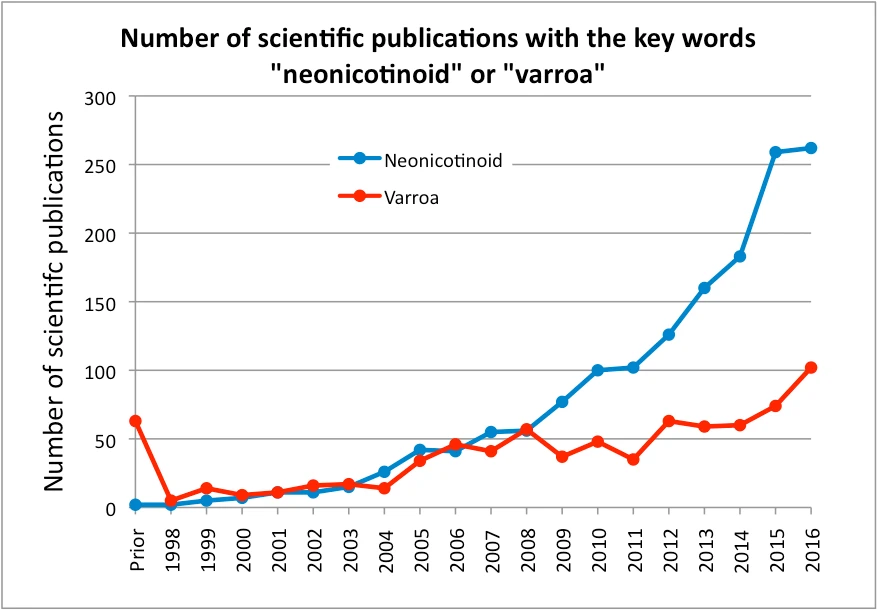
This exact issue has been playing out in Europe. According to one report, farmers sprayed 2.4 times per hectare each season on average before Europe’s neonic ban. After the ban, European farmers sprayed pesticides 3.6 times on average, mostly with pyrethroids. This translates to 1.145 million additional applications reported by farmers. Similar scenarios will play out in New York.
I hate spraying. It’s a time-consuming, expensive, dirty job. I would love to spend my time and money differently. But there is nothing more frustrating than spending time and money on a pesticide that didn’t work because of timing, weather, or resistance – or because it just did a poor job.
Poor spraying leads to poor-quality produce and/or additional costs, which are, more times than not, passed on to the consumer. Besides the investment in the product, there is a huge investment in spray equipment.
We are blessed with productive soils and abundant water in upstate New York, but we also have many pests here. This ban, through added pesticide costs, may force certain local New York crops to be sourced elsewhere. New York farms will become less competitive with neighboring states without neonic bans. The same goes for our mainstay commodities, like grain corn and milk. In short, this ban weakens our local food system.
New York farms already produce quality, competitively priced products. Neonic bans will not produce the outcome that Colton and his supporters intend. It will just cause more pesticides to be applied, which will increase the cost of produce, negatively affect our local food system, and harm more bees.
Mike Jordan is a second-generation fruit grower in western New York.
A version of this article was posted at Times Union and is used here with permission. Check out Times Union on Twitter @timesunion
 | Videos | More... |
Video: Nuclear energy will destroy us? Global warming is an existential threat? Chemicals are massacring bees? Donate to the Green Industrial Complex!
 | Bees & Pollinators | More... |

GLP podcast: Science journalism is a mess. Here’s how to fix it

Mosquito massacre: Can we safely tackle malaria with a CRISPR gene drive?

Are we facing an ‘Insect Apocalypse’ caused by ‘intensive, industrial’ farming and agricultural chemicals? The media say yes; Science says ‘no’
 | Infographics | More... |
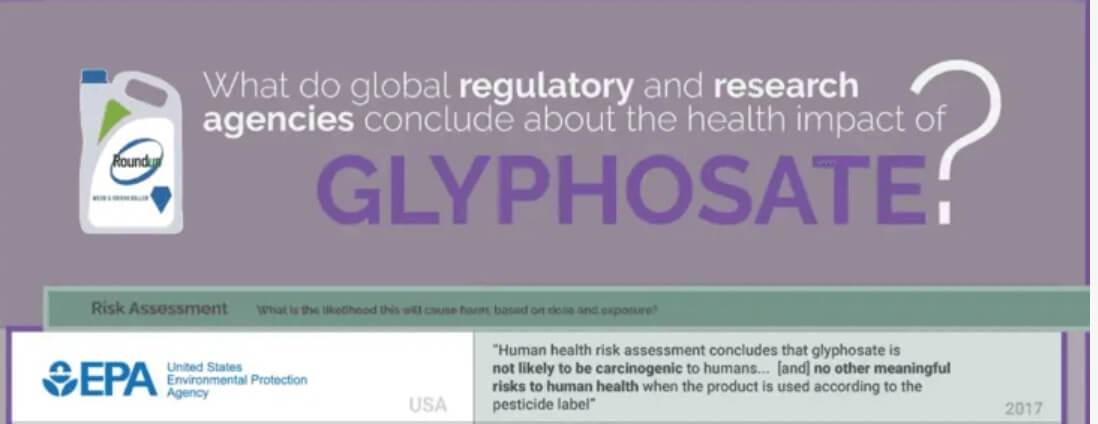
Infographic: Global regulatory and health research agencies on whether glyphosate causes cancer
 | GMO FAQs | More... |
Why is there controversy over GMO foods but not GMO drugs?

How are GMOs labeled around the world?
How does genetic engineering differ from conventional breeding?
 | GLP Profiles | More... |

Alex Jones: Right-wing conspiracy theorist stokes fear of GMOs, pesticides to sell ‘health supplements’

 Viewpoint — Fact checking MAHA mythmakers: How wellness influencers and RFK, Jr. undermine American science and health
 Viewpoint: Video — Big Solar is gobbling up productive agricultural land and hurting farmers yet providing little energy or sustainabilty gains
 Fighting deforestation with CO2: Biotechnology breakthrough creates sustainable palm oil alternative for cosmetics
 Trust issues: What happens when therapists use ChatGPT?
 California, Washington, Oregon forge immunization alliance to safeguard vaccine access against federal undermining
 30-year-old tomato line shows genetic resistance to devastating virus
 The free-range chicken dilemma: Better for birds, but with substantial costs
 ‘You have to treat the brain first’: Rethinking chronic pain with Sanjay Gupta