Viewpoint: Farmer protests in Europe challenges misguided restrictions on biotechnology innovation


(The Center Square) – Bill Wirtz
Over the summer, farmers in the Netherlands vehemently protested against the government’s new environmental rules. Over multiple weeks, thousands of farmers burned hay bales and blocked roads and food distribution centers in an effort to draw attention to new EU rules that would paralyze the sector.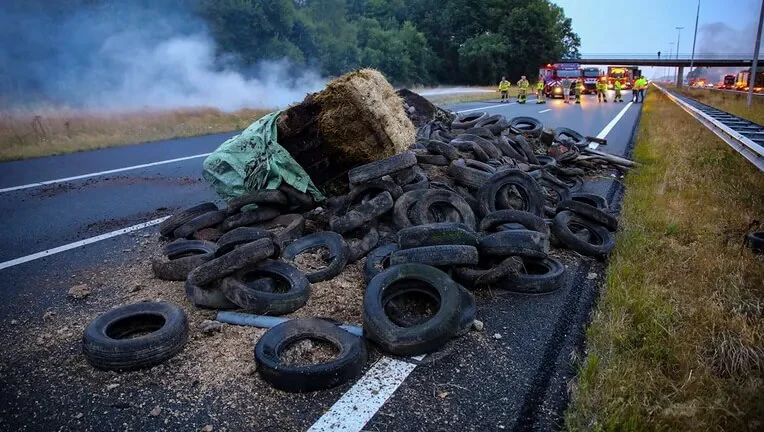
The government in The Hague attempts to follow EU guidelines by slashing nitrogen emissions by 50% by 2030. Nitrous oxide and methane emissions are byproducts of livestock, for instance, when manure is deposed. The Netherlands – along with Denmark, Ireland and the Flanders region of Belgium – had exemptions on EU manure caps because of their small land areas, but that exemption is set to end for Dutch farmers. In practice, this means a considerable reduction in farm animals and putting numerous dairy farmers out of business.
Even with the prospect of the government buying them out, livestock farmers still aren’t on board with the EU’s plans. The prospect of a considerable reduction in farm animals would also endanger the country’s beloved traditional dairy products, such as Gouda and Edam cheeses. The farmers’ protests have now led to the resignation of Agriculture Minister Henk Staghouwer – who had been in office for less than a year – yet the government still remains steadfast in its decision to follow EU guidelines.
The European Union unveiled its “Farm to Fork” strategy at the beginning of the COVID-19 pandemic. The plan calls for a significant reduction in synthetic pesticides and fertilizers, as well as an increase in organic farming output. The European Commission, the executive arm of the EU in Brussels, structurally unveils legislative packages that make those plans a reality but have run into criticism from farmers and consumers. When USDA did an impact assessment on the effects of the strategy, it found that agricultural prices would soar between 20 and 53 percent. The EU itself did not present an impact assessment.
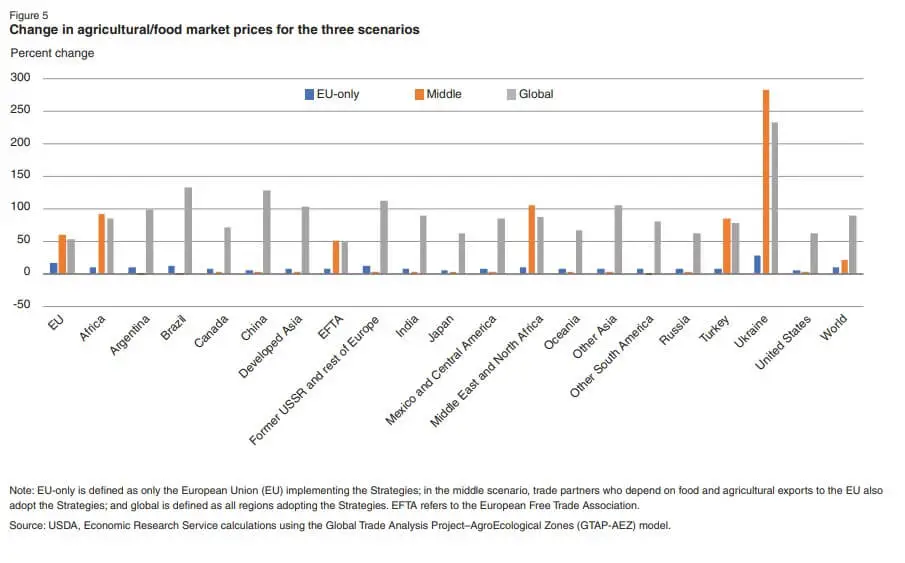
With mounting criticism and overall food price inflation, the European Council (which represents EU member states) is now delaying the implementation of the cut in pesticides, particularly as countries in Central and Eastern Europe fear it would increase food prices further. “In countries such as Spain, if you impose a 50 per cent cut in the usage, you would have a major cut in output,” one diplomat told the Financial Times.
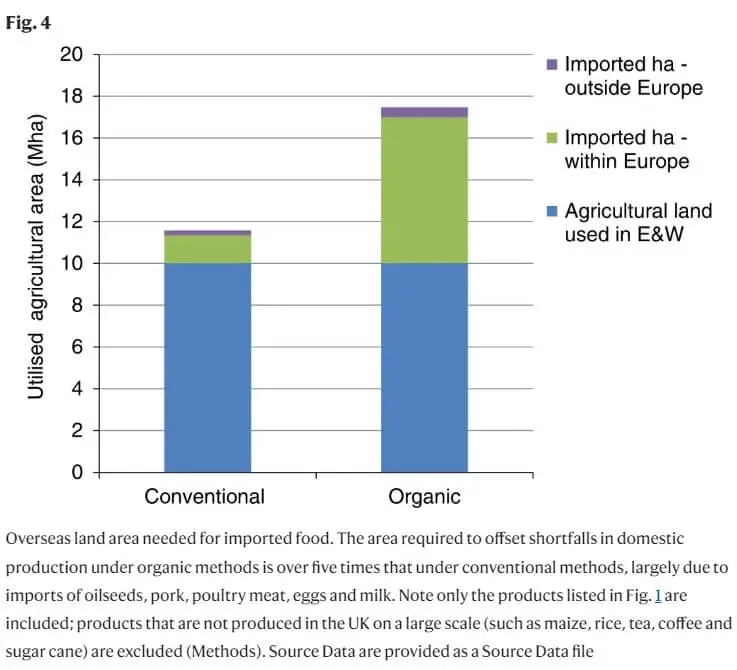
The farmer protests in the Netherlands are only the tip of the iceberg of the pandora’s box the EU has opened by meddling with Europe’s farming system. Environmentalism’s utopic and distorted view of agriculture clashes with the real needs of consumers. In fact, Europe’s solution of increasing organic farming is counterproductive to the goal of reducing carbon dioxide emissions. CO2 emissions will increase by up to a whopping 70 percent if organic farming becomes the norm, as researchers in the United Kingdom have shown. The reason is simple: organic agriculture needs more resources and more farmland to achieve the same output. This makes organic food not only worse for the environment but also more expensive for consumers.
For the United States, which has dabbled in similar attempts to make farming more “sustainable,” this is a cautionary tale. Europe is finding out the hard way how its ambitious policies are reducing purchasing power on a continent where citizens already spend much more of their disposable income on food compared to Americans. To an even larger extent, Sri Lanka’s policy of banning synthetic crop protection in a short period of time has laid out how green farming policies transform a thriving economy into a nation dependent on foreign food aid.
Americans must understand that our food system is conditional on productivity and safety, both things that crop protection tools make possible. In fact, pesticide use is not comparable to how it used to be in the 60s: according to USDA, pesticide persistence has been cut in half in the last 60 years, and chemical pesticide use has been reduced by 40% (per acre). In essence, this means that we have produced more food with less land and less crop protection. We should trust farmers and experts to improve this even further without the need for blanket bans that hurt consumers.
Bill Wirtz is a policy analyst for the Consumer Choice Center. Follow him on Twitter @wirtzbill
A version of this article was posted at The Center Square and is used here with permission. Check out The Center Square on Twitter @thecentersquare

 | Videos | More... |
Video: Nuclear energy will destroy us? Global warming is an existential threat? Chemicals are massacring bees? Donate to the Green Industrial Complex!
 | Bees & Pollinators | More... |

GLP podcast: Science journalism is a mess. Here’s how to fix it

Mosquito massacre: Can we safely tackle malaria with a CRISPR gene drive?

Are we facing an ‘Insect Apocalypse’ caused by ‘intensive, industrial’ farming and agricultural chemicals? The media say yes; Science says ‘no’
 | Infographics | More... |
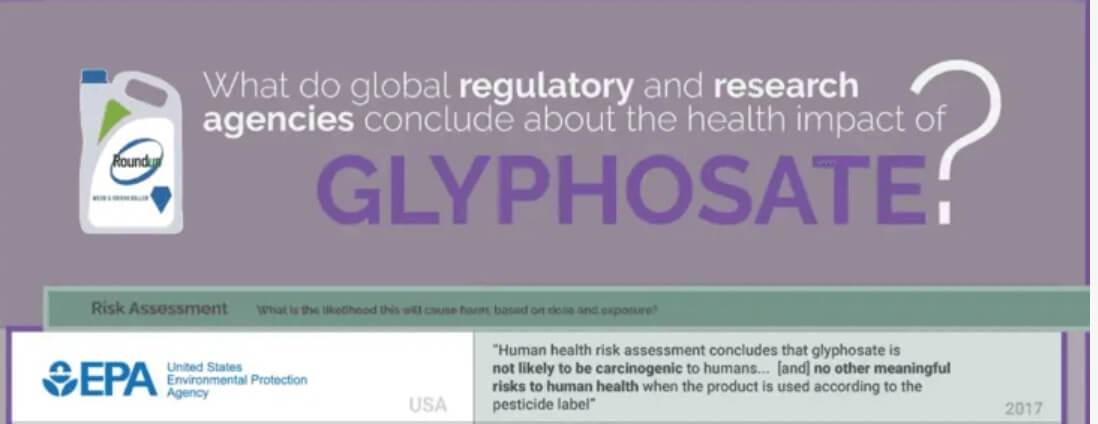
Infographic: Global regulatory and health research agencies on whether glyphosate causes cancer
 | GMO FAQs | More... |

Why is there controversy over GMO foods but not GMO drugs?

How are GMOs labeled around the world?
How does genetic engineering differ from conventional breeding?
 | GLP Profiles | More... |

Alex Jones: Right-wing conspiracy theorist stokes fear of GMOs, pesticides to sell ‘health supplements’

 Viewpoint — Fact checking MAHA mythmakers: How wellness influencers and RFK, Jr. undermine American science and health
 Viewpoint: Video — Big Solar is gobbling up productive agricultural land and hurting farmers yet providing little energy or sustainabilty gains
 Fighting deforestation with CO2: Biotechnology breakthrough creates sustainable palm oil alternative for cosmetics
 Trust issues: What happens when therapists use ChatGPT?
 California, Washington, Oregon forge immunization alliance to safeguard vaccine access against federal undermining
 30-year-old tomato line shows genetic resistance to devastating virus
 The free-range chicken dilemma: Better for birds, but with substantial costs
 ‘You have to treat the brain first’: Rethinking chronic pain with Sanjay Gupta