Viewpoint: ‘Rejecting the luxury green beliefs of the privileged West’

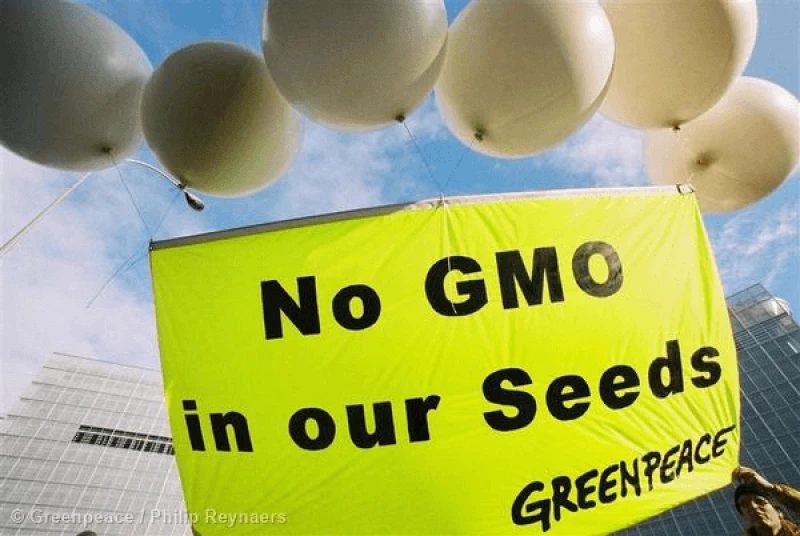
Are Western-funded environmental NGOs such as Greenpeace operating in the Global South the moral arbiters of environmental issues affecting the poor and the marginalized? Are they the “global salvationists” giving succor to the “wretched of the earth”, promoting “sustainable development” in the face of predatory capitalists and their governmental supporters?
The agenda of the Western environmental NGOs operating in the developing countries is, in no uncertain terms, a left wing one. It demands radical changes in individual and social behavior opposed to the norms of modern industrial civilization, individualism, private property, profits and market competition. Such preferred changes are in keeping with the concept of “sustainable development”, a nebulous concept dreamed up by the luxury beliefs of privileged intellectuals of the developed West. It espouses the politically correct values that stand in opposition to the interests of economic development and the world’s poor in whose name the Western NGOs claim to speak.
Perhaps the clearest example of the perversions of “sustainable development” is the crisis last year in Sri Lanka’s agricultural sector. Encouraged by environmental NGOs such as Greenpeace, the government had rushed to introduce organic farming and imposed a nationwide ban on the importation and use of synthetic fertilizers and pesticides. It effectively ordered the country’s 2 million farmers to “go organic”.
The results were quick and horrific. Domestic rice production fell 20 percent in just the first six months. Long self-sufficient in rice production, the country was forced to import $450 million worth of rice and domestic prices surged by approximately 50 percent. The ban also devastated the nation’s tea crop, its primary export and source of foreign exchange.
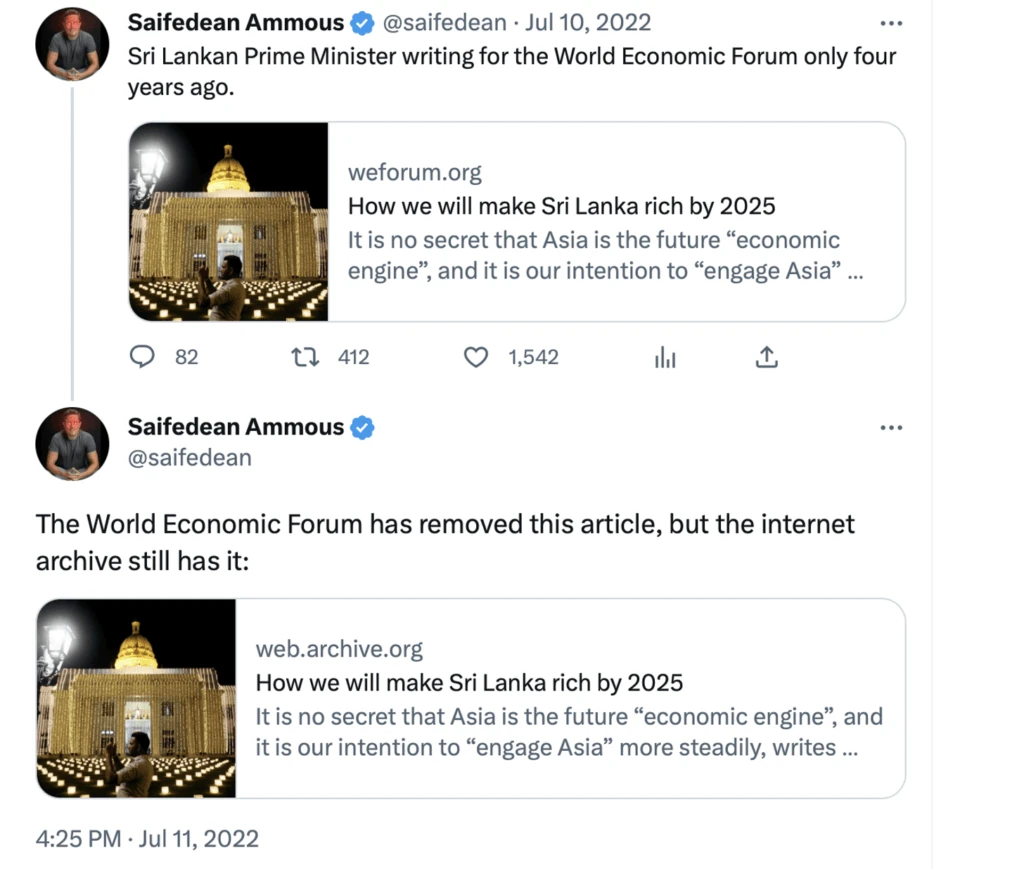
President Gotabaya Rajapaksa fled to the Maldives… The president was the poster child of the World Economic Forum until the disaster happened and the WEF scrubbed him off its website.
The climate ideologues in charge of agricultural policy and “sustainable farming” in the developed countries such as Holland, the United Kingdom and New Zealand are busy emulating the horrific experiment that Sri Lanka underwent.
This is an excerpt. Read the original post here
 | Videos | More... |
Video: Nuclear energy will destroy us? Global warming is an existential threat? Chemicals are massacring bees? Donate to the Green Industrial Complex!
 | Bees & Pollinators | More... |

GLP podcast: Science journalism is a mess. Here’s how to fix it

Mosquito massacre: Can we safely tackle malaria with a CRISPR gene drive?

Are we facing an ‘Insect Apocalypse’ caused by ‘intensive, industrial’ farming and agricultural chemicals? The media say yes; Science says ‘no’
 | Infographics | More... |
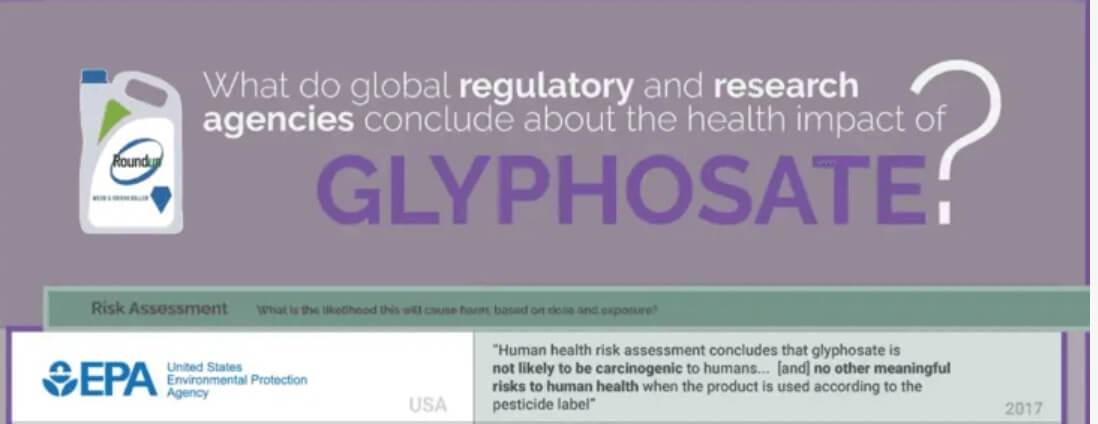
Infographic: Global regulatory and health research agencies on whether glyphosate causes cancer
 | GMO FAQs | More... |

Why is there controversy over GMO foods but not GMO drugs?

How are GMOs labeled around the world?

How does genetic engineering differ from conventional breeding?
 | GLP Profiles | More... |

Alex Jones: Right-wing conspiracy theorist stokes fear of GMOs, pesticides to sell ‘health supplements’

 Viewpoint — Fact checking MAHA mythmakers: How wellness influencers and RFK, Jr. undermine American science and health
 Viewpoint: Video — Big Solar is gobbling up productive agricultural land and hurting farmers yet providing little energy or sustainabilty gains
 Fighting deforestation with CO2: Biotechnology breakthrough creates sustainable palm oil alternative for cosmetics
 Trust issues: What happens when therapists use ChatGPT?
 California, Washington, Oregon forge immunization alliance to safeguard vaccine access against federal undermining
 30-year-old tomato line shows genetic resistance to devastating virus
 The free-range chicken dilemma: Better for birds, but with substantial costs
 ‘You have to treat the brain first’: Rethinking chronic pain with Sanjay Gupta