Viewpoint: What are the keys to full consumer acceptance of food grown from genetically modified seeds?

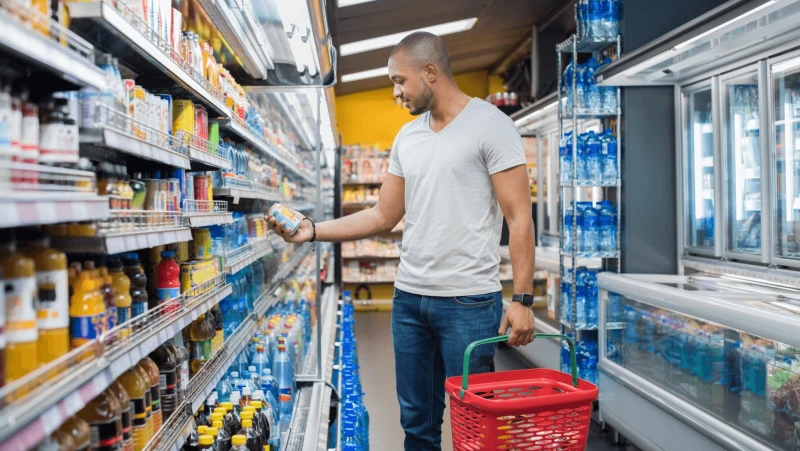
The FMI Foundation contracted academics from Michigan State University and Purdue University to conduct a nationwide on-line survey of 2,004 consumers in October 2021. The researchers asked questions about:
… consumers’ trust in different institutional entities engaged in the dissemination of information on bioengineered and gene-edited food products; … consumer awareness of the technology and examined label understanding; [and]… consumers’ preferences and willingness to pay (WTP) for bioengineered and gene-edited products relative to USDA organic, non-GMO, and conventional romaine lettuce using simulated retail purchase decisions.
Using romaine lettuce as an example product, the survey asked consumers to make simulated retail purchases for romaine lettuce with different labels and prices. The answers were used to calculate “consumers’ willingness to pay (WTP) for bioengineered and gene-edited products versus other products (USDA organic, non-GMO, and conventional) under different information vehicles (text, BE label and QR code) and benefit messages (non-browning).” The WTP is the maximum amount that a customer is willing to pay for a particular product (i.e., the gene edited lettuce) when compared to the price of a similar product (i.e., the conventionally produced lettuce). The highest WTP was for organic and non-GMO lettuce, which is expected since those labels have been in supermarkets for many years. When comparing conventional lettuce with bioengineered and gene-edited varieties, respondents almost uniformly had lower WTPs (a negative amount) for gene edited and bioengineered varieties. Respondents mostly expressed a higher WTP that was slightly negative or in few cases slightly positive when the product contained either the BE symbol or a QR code on the package and the respondent accessed additional product information. The additional information was a simple factual statement, often from a government website, describing the different product production methods. Respondents expressed the highest WTP for both gene-edited and bioengineered lettuce when a package contained the BE symbol, the respondent sought out the additional information and the package identified the benefit (“non-browning”), with about half the options resulting in a positive WTP or premium price over the conventional variety. The report concluded that food manufacturers should provide consumers with information on benefits and disclose that a product is bioengineered or gene-edited using either the BE-label (USDA symbol) or a QR code instead of text on their package.
My clear take-away is that the more transparent the food manufacturers are about the technologies used to produce food and the more information provided about why the technology is being utilized, the more likely consumers will purchase those products (even though with a few exceptions, the WTP for bioengineered and gene edited lettuce is still negative and those products would not be purchased by consumers over existing products in the market).
A second finding reinforces a viewpoint I have had for years—that many consumers know little about these technologies. Sixty percent of respondents self-reported that they had heard of the term “genetically modified” and know what it means, while only 40 percent could say the same for “bioengineered” and 33 percent for “gene-edited.” Forty-two percent of the respondents had never heard of the term “gene-edited” and 68 percent did not know the difference between gene-editing and genetically modified/bioengineered. Taken together, these findings suggest significant consumer education about these technologies and terms is necessary for consumers to make informed choices.
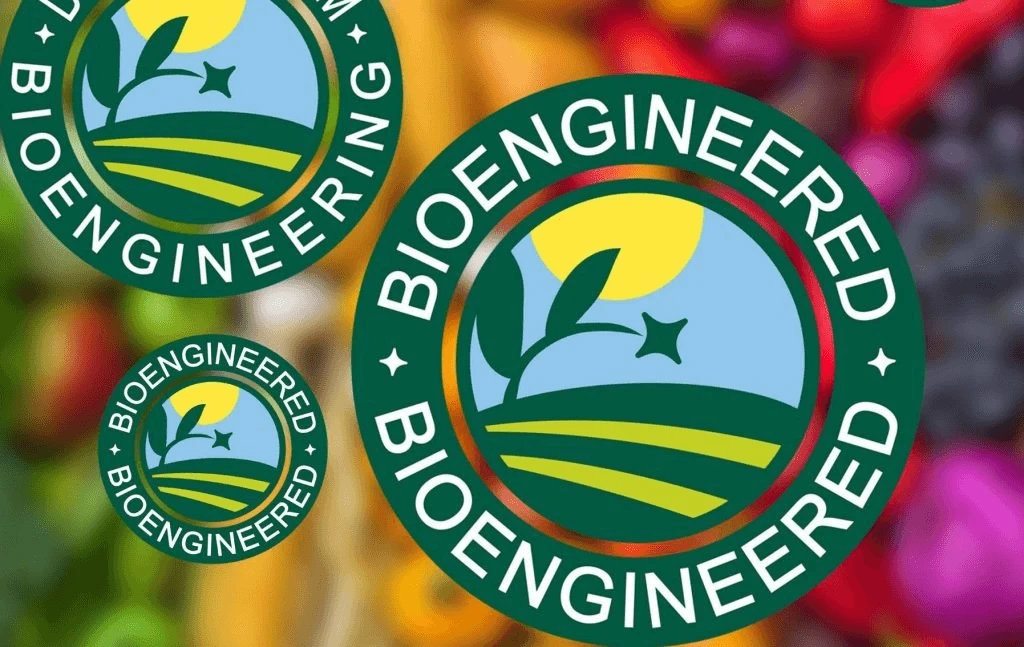
Finally, I found interesting part of the study addressing consumer trust in different sources of information. The survey found respondents identified FDA and USDA as relatively more trustworthy (0.38 and 0.40 respectively on a scale between -0.50 and +0.50), while the US Congress (-0.16), social media platforms (-0.31 to -0.38) and new outlets (-0.12 to -0.18) are classified as not as trustworthy. More than 50 percent of respondents preferred disclosures through a label on the package (symbol) than text on the package (approximately 20 percent) or a QR code (approximately 10 percent). The survey then found that respondents’ relative trust for various sources of information was highest for product label information than other information sources (e.g., company websites, government websites, social media, and links or text on the product package). This data reinforces that government agencies need to play a role in educating consumers about food production and that federal labeling policies are important because consumers trust most what they read on a label.
Overall, the FMI Foundation report shows the difficult road that gene-edited and bioengineered foods need to navigate for consumers to prefer them over organic, non-GMO, and conventional products. Significant education about these processes and transparency about the products using these technologies and why they are used seem to be prerequisites to consumers considering purchasing them over existing products.
 | Videos | More... |
Video: Nuclear energy will destroy us? Global warming is an existential threat? Chemicals are massacring bees? Donate to the Green Industrial Complex!
 | Bees & Pollinators | More... |

GLP podcast: Science journalism is a mess. Here’s how to fix it

Mosquito massacre: Can we safely tackle malaria with a CRISPR gene drive?

Are we facing an ‘Insect Apocalypse’ caused by ‘intensive, industrial’ farming and agricultural chemicals? The media say yes; Science says ‘no’
 | Infographics | More... |

Infographic: Global regulatory and health research agencies on whether glyphosate causes cancer
 | GMO FAQs | More... |

Why is there controversy over GMO foods but not GMO drugs?

How are GMOs labeled around the world?

How does genetic engineering differ from conventional breeding?
 | GLP Profiles | More... |

Alex Jones: Right-wing conspiracy theorist stokes fear of GMOs, pesticides to sell ‘health supplements’

 Viewpoint — Fact checking MAHA mythmakers: How wellness influencers and RFK, Jr. undermine American science and health
 Viewpoint: Video — Big Solar is gobbling up productive agricultural land and hurting farmers yet providing little energy or sustainabilty gains
 Fighting deforestation with CO2: Biotechnology breakthrough creates sustainable palm oil alternative for cosmetics
 Trust issues: What happens when therapists use ChatGPT?
 California, Washington, Oregon forge immunization alliance to safeguard vaccine access against federal undermining
 30-year-old tomato line shows genetic resistance to devastating virus
 The free-range chicken dilemma: Better for birds, but with substantial costs
 ‘You have to treat the brain first’: Rethinking chronic pain with Sanjay Gupta