What Went Wrong With BBC's Sherlock After 2 Amazing Seasons
The BBC’s Sherlock is one of the best modern adaptations of Arthur Conan Doyle’s Sherlock Holmes, but its quality decreased dramatically after its first two seasons. The Great Detective is one of the most popular and beloved literary characters, and as such, his stories have been adapted to other media for decades. The state of the rights to Sherlock Holmes has allowed artists to make many changes and additions to the characters and their stories, with some of them bringing the detective and company to the modern world – and falling into this category is the BBC’s Sherlock.
Created by Steven Moffat and Mark Gattis, Sherlock brought Holmes (Benedict Cumberbatch) and Dr. Watson (Martin Freeman) to modern-day London. Sherlock adapted some of Conan Doyle’s stories to modern technology and social issues, resulting in a fresh and engaging take on the beloved detective and his cases. Sherlock was praised by critics for its performances, writing, and directing, but that only lasted for two seasons. Sherlock ran for four seasons (and one special episode), but the final two seasons ended up tainting the show’s legacy.
Sherlock’s First Two Seasons Raised The Bar High For The BBC Show
Sherlock Had A Very Strong Start
Sherlock followed the title “consulting detective” as he solved a variety of cases in and around London – however, despite his undeniable intelligence and skills, he wasn’t exactly popular at the Metropolitan Police Service, mostly due to his attitude and bluntness. Leading the audience at the beginning was Dr. Watson, who had just returned from military service in Afghanistan with the Royal Army Medical Corps. Watson was looking for an apartment and a roommate and was referred to Holmes – and that was the beginning of their friendship.
The first season of Sherlock allowed the audience to get acquainted with the show’s visual narrative style, Holmes’ methods, and his personality, while also establishing the big villain: Jim Moriarty (Andrew Scott). Moriarty made his official appearance in the third and final episode of the season, which left the audience with a cliffhanger. Season 2 picked up right where season 1 left, and brought another classic character from Conan Doyle’s stories: Irene Adler (Lara Pulver).
Season 2 focused more on the rivalry between Holmes and Moriarty, which was even more interesting and entertaining to watch as Moriarty was as intelligent as Holmes – the difference was that he was evil. Sherlock season 2 ended with the most shocking and important moment in the whole series, as Moriarty killed himself on the roof of St. Bartholomew’s Hospital to push Holmes to do the same. Holmes jumped from the roof to his death, with Watson witnessing the scene – however, just like in the books, Holmes had faked his death.
The first two seasons of Sherlock were praised for the creativity in its narrative style, particularly how it represented Holmes’ deduction process visually, the layered and well-written cases, and the performances of Cumberbatch, Freeman, and Scott. Although all of their characters were different from their book counterparts, those differences were what earned them the most praise, and set the bar very high for the following season, mostly after Holmes’ shocking “death.”
Sherlock Season 3, Episode 1 Had To Live Up To Absurd Expectations
Sherlock Peaked With The Finale Of Season 2
The first two seasons of Sherlock had some strong episodes, but the show peaked with season 2’s finale, “The Reichenbach Fall.” It’s not just that the episode was very well-written, but the acting was impeccable and the suspense was very well executed. “The Reichenbach Fall” ended with the reveal that Holmes was alive, but this was only known to the audience. A large part of the success of “The Reichenbach Fall” was the discussion around the episode that lasted for months.
Fans of the show analyzed every second and frame of the episode to figure out how Holmes could have faked his death, and, unfortunately, the show didn’t live up to expectations after that. Season 3 arrived over a year after “The Reichenbach Fall”, and by then, all types of theories – believable and not very plausible – had already been shared online. The expectation around the official explanation of how Holmes faked his death in Sherlock was very high, but the show completely wasted it.
Explaining how Holmes faked his death was a huge challenge, but any actual explanation would have been better than what it ended up doing.
Sherlock season 3’s premiere episode, “The Empty Hearse”, saw Holmes’ return and reunion with Watson, but it never gave a proper, official explanation as to how he faked his death – instead, what it did was make fun of the fandom and their many theories. Surely, Sherlock was facing very high and, to a point, absurd expectations after “The Reichenbach Fall” and explaining how Holmes faked his death was a huge challenge, but any actual explanation would have been better than what it ended up doing.
Sherlock reached its highest point with “The Reichenbach Fall” and never recovered from Holmes’ fake death and return. As a result, season 3’s premiere episode was not only disappointing, but it marked the beginning of the end for Sherlock, as the show’s quality continued to gradually decline after “The Empty Hearse.”
The Writing In Sherlock’s Seasons 3 & 4 Was Just Not As Strong
Sherlock’s Final Two Seasons Forgot What Made It So Great
Sherlock season 3 not only had to recover from Holmes’ fake death and return, but it also introduced Mary (Amanda Abbington), who wasn’t exactly the best-written character. Mary started as Watson’s wife, who was very intelligent but knew not to meddle in the dynamic between Holmes and Watson. However, Sherlock decided to give Mary a twist by giving her a criminal background that eventually came to light, which only made her role in the show and her relationship with Watson and Holmes even messier.
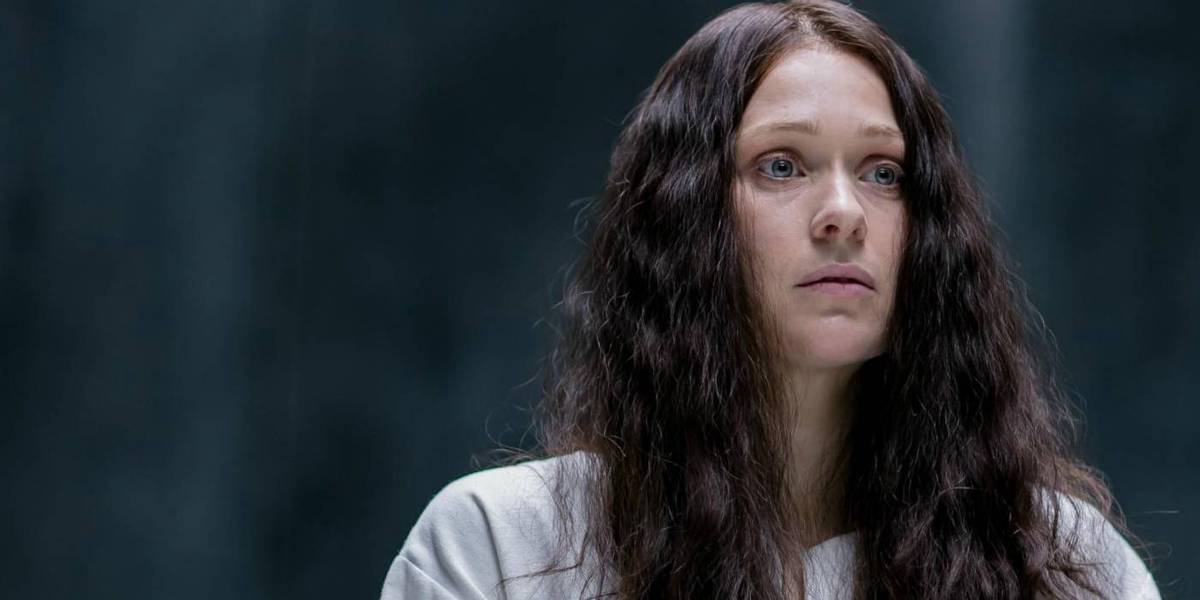
In addition to that, the cases Holmes and Watson were involved in got increasingly worse, as they were not believable anymore. Unfortunately, these issues only grew in season 4, even more with the introduction of the third Holmes sibling, Eurus (Sian Brooke). Despite not being mentioned in seasons 1 and 2, Eurus was first referenced in season 3’s finale and made her first appearance, though in disguise, in season 4’s premiere episode. What made Eurus’ inclusion in Sherlock worse was her convoluted and borderline nonsensical plan to get rid of her siblings and Watson in the series’ finale.
The charm that Sherlock once had in its first seasons, the well-written cases with different layers and engaging characters, suspense, and more were gradually lost once season 3 started and were completely lost by the series’ final episode. Sherlock season 4 was even called by some critics a “parody” of what the show once was, and the ending was very disappointing.
Sherlock’s Disappointing Ending Made The Entire Show Look Worse
Sherlock’s Legacy Was Marked By The Final Seasons

Sherlock could have had an incredible legacy had it not been for its final seasons and its disappointing ending. Sherlock’s series finale, appropriately titled “The Final Problem”, was all about Eurus’ “big” plan, which, as mentioned above, made no sense and left many questions and plot holes. Even though the show gave Holmes and Watson a happy ending and showed them working together for many more years, to this day, it still can’t shake off the mess and disappointment of not just the final episode but seasons 3 and 4 in general.
Sherlock’s first half was some of the best TV shows in recent years and one of the best Sherlock Holmes adaptations, with the second half being the entire opposite. Unfortunately, seasons 3, 4, and the series finale tainted Sherlock’s legacy, and though they don’t take away the quality and greatness of the first seasons, they definitely overshadow them.


In this incarnation of Sherlock from creators Steven Moffat and Mark Gatiss, Benedict Cumberbatch and Martin Freeman assume the roles of Sherlock and Watson as they establish their partnership and begin solving strange mysteries throughout the U.K. and beyond. Set in a more 2010's modern setting, Sherlock's eccentric and complex nature is accentuated as he solves seemingly supernatural crimes with unparalleled intellect while struggling to connect with others on a human level. Meanwhile, Watson blogs the stories summarizing their cases while building a strained but caring friendship with his new partner.
- Showrunner
- Steven Moffat
- Seasons
- 4
- Streaming Service(s)
- Dis, Netflix